
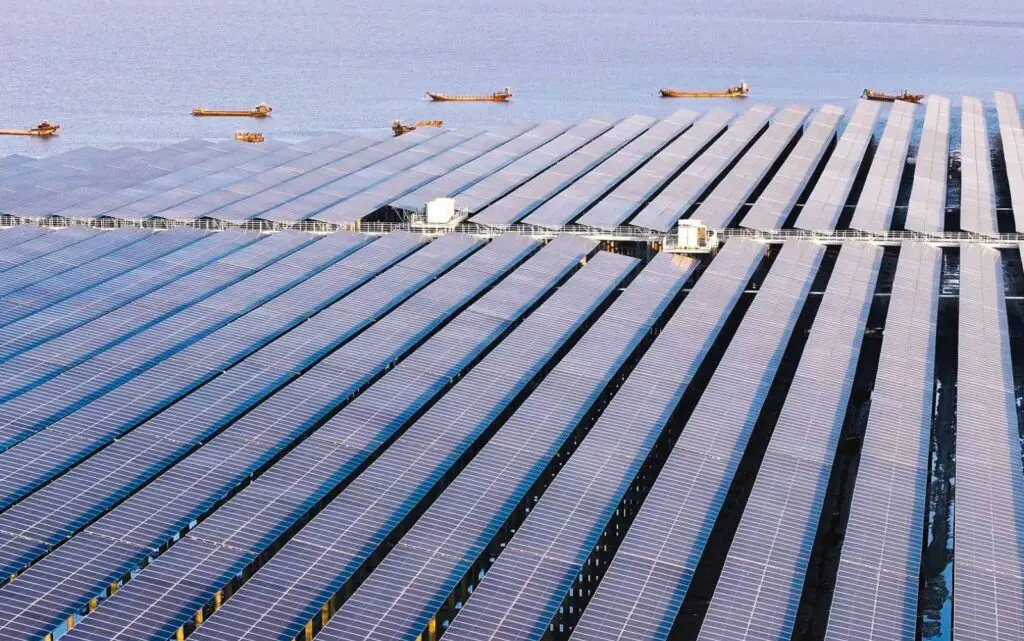
400 MW Coastal Solar-Battery-Electrolyzer Hub in Jiangsu Paves Way for Green Hydrogen Production
June 23, 2026China Energy Investment Corp. is shaking things up in the world of green hydrogen production with its new coastal energy hub in Jiangsu. This past spring, their subsidiary, Guohua Investment, announced they’ve wrapped up a significant project featuring a 400 MW solar photovoltaic plant, a 60 MW/120 MWh battery storage system, and an on-site electrolysis unit. All this is happening on some reclaimed tidal flats near Yangkou Port, with the goal of converting excess solar energy into industrial-grade hydrogen without straining the local grid.
- Location: Yudong reclaimed tidal-flat area, Rudong County, Nantong, Jiangsu
- Solar output: A hefty 400 MW of coastal PV
- Storage: 60 MW/120 MWh battery energy system
- Hydrogen capacity: An electrolyzer cranking out 1,500 Nm3/h, producing about 482 tons of hydrogen each year
- Grid connection: A 220 kV shore substation plus a direct connection to the electrolyzer
System Design and Capacity
The solar panels cover around 2.9 km2 of reshaped land, with another 4.3 km2 set aside for wetland restoration. These salt-resistant panels sit in fixed racks and connect to a new 220 kV substation onshore. But here’s the kicker: they’ve installed a dedicated underground cable that runs straight to the electrolyzer, bypassing the main transmission line. This clever setup boosts efficiency by matching those sunny daytime peaks directly with the hydrogen demand while allowing the public grid to manage the rest.
With an eye on the local sunlight patterns, they expect the PV plant to generate about 468 GWh of electricity each year. That volume would put it among the largest coastal solar facilities in China. The battery system isn’t just there to smooth out quick fluctuations from the sun; it also offers services like peak shaving and frequency regulation to help out the provincial network. By creating multiple avenues for revenue, the project’s financial outlook gets a nice boost.
This 60 MW/120 MWh lithium-ion battery storage system soaks up any extra energy during peak sunlight hours and feeds it back during times of low sunlight or heavy hydrogen demand. Reports say that only about one-fortieth of the peak solar output is needed to run the electrolyzer at full throttle, showing just how vital the battery is for balancing generation and demand.
Electrolysis and Hydrogen Handling
The hydrogen plant is still being fine-tuned but should ramp up production by late summer. With a design capacity of 1,500 Nm3/h, that translates to roughly 482 tons of high-purity hydrogen annually. They’ve also put in a refueling station with a capacity of 500 kg per day, which is geared towards local industrial users or testing fleets in the port area. By sourcing electricity directly from their solar and storage assets instead of relying on the public grid, they expect reduced transmission losses and better self-consumption of renewables.
Strategic Implications for Jiangsu
Jiangsu, known for being one of China’s industrial heavyweights, is all about manufacturing, chemical processing, and port logistics. But the grid has struggled with congestion, making it tough to integrate renewables, leading to wasted solar and wind energy during off-peak periods. This new hub in Rudong could be a game changer: it provides a flexible, on-site way to absorb surplus renewables through hydrogen production. Ultimately, it could help smooth out energy use profiles and free up space on the grid for even more clean energy developments.
Nearby petrochemical and fertilizer companies could start using green hydrogen instead of more polluting grey hydrogen, making a significant dent in emissions for hard-to-decarbonize industries. Plus, the refueling station could pave the way for early interactions with hydrogen fuel cell vehicles or industrial carts, setting the stage for a more extensive hydrogen infrastructure in the Yangtze River Delta corridor.
Policy and Market Context
This initiative is part of China’s larger push for large-scale wind and solar projects, designed to prioritize renewables in strategically important regions. Unlike earlier phases that focused mainly on volume in remote areas, this Jiangsu project is all about making better use of local resources and linking them to industrial needs. It’s a clear shift toward mixed systems that turn peaks in renewable energy into viable business opportunities like hydrogen production, all while supporting national goals for energy security and low-carbon growth.
Environmental and Industrial Outlook
While reclaiming tidal flats can impact local habitats, developers are betting on restoring more wetlands than they disturb, aiming to strike a balance that mitigates environmental harm. The real test will be how they monitor bird populations and marine life over time. On the industrial side, this project could give rise to a cluster of local businesses focused on electrolyzer components, power electronics, and battery maintenance, ushering in a new era for hydrogen technology in Jiangsu.
Site History and Ecological Restoration
The Yudong area has seen a lot of land reclamation in recent decades, as marshes were transformed into usable land for agriculture and industry. To counteract this environmental change, the project has introduced engineered drainage systems, salt marsh corridors, and protected wetland zones. Local authorities will keep tabs on biodiversity to make sure they hit those restoration targets and that the area remains resilient against rising sea levels.
Technical Challenges and Lessons Learned
Building on reclaimed land came with its own set of headaches, like ensuring solid foundations to deal with settlement and soil issues. The panels and battery containers use marine-grade materials to withstand salt damage, while the electrolysis equipment is housed in climate-controlled spaces to protect sensitive parts. If these design features prove durable, they could pave the way for future coastal projects across eastern China, where land and environmental challenges are similar.
Economic Impact and Local Benefits
The construction phase has brought hundreds of jobs in engineering, installation, and operations. Local suppliers of PV modules, inverters, and battery storage have seen their orders boom, and new training programs are stepping up to teach technicians about hydrogen handling and high-voltage systems. Once everything is up and running, the hub is expected to create dozens of permanent jobs in maintenance, logistics, and environmental management.
Parallel Models and Future Roll-outs
Standalone hydrogen projects have cropped up in resource-rich areas, but few can match Rudong’s scale of combining PV, battery storage, and electrolysis all in one place. Observers from abroad see this as a model that could be replicated in coastal ports as part of the Belt and Road Initiative. If they can prove this setup provides stable grid support while producing hydrogen, we could see similar projects popping up in Southeast Asia, Africa, or the Middle East where there’s a mix of coastal land and industrial demand.
Comparisons with Other Projects
While other coastal projects typically export energy as green ammonia, Rudong is focused on directly generating hydrogen. This unique approach could impact how agreements and certification processes evolve in China’s budding hydrogen market. The integrated design also contrasts with more traditional setups, where modular electrolyzers rely on remote substations, highlighting the benefits of having renewables and energy demand sitting side by side.
Outlook and Next Steps
Now that the solar section has been fully connected to the grid and construction is done, the spotlight shifts to getting the electrolyzer up and running by late summer. They’ll be looking at key performance indicators like how well the batteries cycle, the uptime of the electrolyzer, and how much energy they can stop from going to waste. Success here could completely change how developers think about financing and setting up hydrogen production hubs in regions that face grid constraints and high carbon footprints.
The Rudong hub really shows how solar photovoltaic power, battery energy storage, and electrolysis can seamlessly work together as a cohesive energy system. As both policymakers and industry leaders chase new ways to decarbonize while ensuring a reliable supply, this project is on track to become a blueprint for sustainable energy spots along China’s eastern corridor.

 With over 15 years of reporting hydrogen news, we are your premier source for the latest updates and insights in hydrogen and renewable energy.
