Alpine Exits WEC Hypercar Program, Halting Hydrogen Fuel Cells Effort
Alpine confirms it will exit the WEC Hypercar class after 2026, ending its five-season hydrogen fuel cell racing program to refocus on core motorsport commitments.
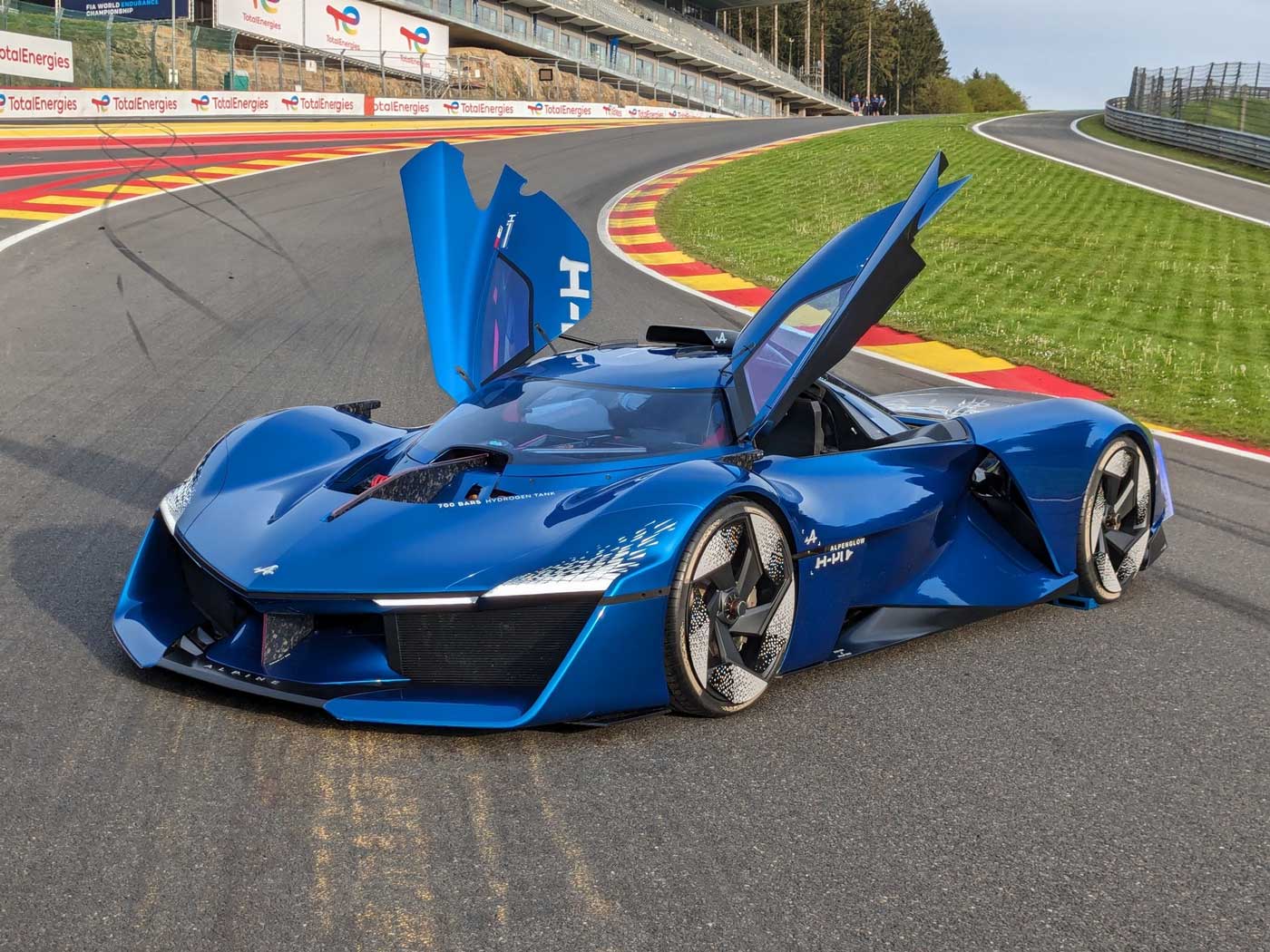
On 13 January 2026, Alpine announced it’s pulling the plug on its FIA World Endurance Championship (WEC) Hypercar adventure once the 2026 season wraps up, bringing its pioneering hydrogen fuel cells racing project to a close. Since bursting onto the scene in 2022, the French marque—part of Renault Group—has been all about showcasing fuel cell technology at the pinnacle of endurance racing.
Background
Founded in 1955 by Jean Rédélé and absorbed into Renault in 1973, Alpine made a big splash by returning to Formula 1 in 2021, then firing off its WEC Hypercar hydrogen program a year later. Thanks to FIA rules nudging teams toward hybrids and alternative powertrains, Alpine’s prototype paired a fuel cell stack with battery storage to drive the wheels without carbon emissions. But going toe-to-toe with seasoned hybrid outfits like Toyota and Porsche proved no walk in the park.
Strategic Rationale
According to Motorsport.com, Alpine’s leadership decided it makes more sense to double down on their core strengths—especially their F1 squad—after five seasons in Hypercar land. With budgets tighter than ever and development costs skyrocketing, they figured the ROI on a hydrogen endurance campaign just didn’t stack up against proven hybrid rivals.
Technical Snapshot
On paper, the tech sounded slick: a fuel cell stack turns hydrogen into electricity by reacting with oxygen, feeding an electric motor and topping up onboard batteries. Running on green hydrogen kept them aligned with net-zero goals and highlighted how sustainable energy can thrive in endurance battles. In reality, though, squeezing all that into tight weight limits—and guaranteeing a steady hydrogen supply and refueling network worldwide—was trickier than expected.
Key Takeaways
- Alpine will stick with the WEC Hypercar grid through 2026 before stepping aside.
- The move signals a shift from hydrogen powertrains to more familiar hybrid and electric platforms.
- Most resources will pivot to Alpine’s F1 program, gearing up for new weight and tech regulations in 2026.
- Investors and partners may rethink the commercial appeal of hydrogen in high-end motorsport.
- The exit shines a light on the uphill battle of scaling hydrogen production and refueling infrastructure.
Industry Impact
Alpine’s departure throws a bucket of cold water on the notion that hydrogen racing is ready for prime time. Without a marquee name pushing refueling development, momentum for fuel cell technology in endurance events could stall. Series organizers may have to rethink their playbook—leaning more on hybrids or battery power—while teams and suppliers banking on hydrogen components might face delays in hitting economies of scale.
What’s Next for Alpine
Even as Alpine waves goodbye to hydrogen racing, it’s not hanging up its helmet altogether. The spotlight now falls squarely on their F1 effort: they’ve parted ways with driver Jack Doohan for the 2026 season, and engineers are zeroed in on refining the new chassis to hit weight and performance targets under evolving regulations. As for future hydrogen initiatives, the door isn’t slammed shut—but there’s no clear roadmap yet.
At the end of the day, Alpine’s exit from the WEC Hypercar hydrogen project underscores the steep costs and technical hurdles of pushing hydrogen fuel cells to their limits in top-tier motorsport. Proving both performance parity and a solid business case will be crucial if hydrogen is going to stay in the race.