Ammonia Marine Engine Harnesses In-Cylinder Reforming for Onboard Hydrogen Production
Singapore’s NUS team unveils an ammonia marine engine that reforms hydrogen onboard, slashing emissions and avoiding bulky H₂ storage while fitting existing bunkering systems.
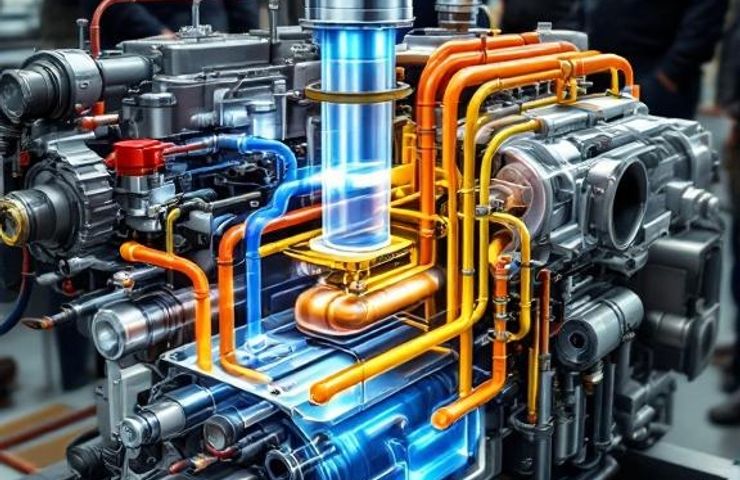
When it comes to cleaning up maritime transport, researchers at National University of Singapore (NUS) are making waves with a new engine concept that burns ammonia and generates hydrogen right on the spot. They recently shared this innovative idea in a paper published in Joule, tackling a tricky hurdle in the industry: how do you fuel hydrogen-powered engines without schlepping around heavy tanks or installing cumbersome reformers offshore? By breaking down ammonia in one cylinder and sending the hydrogen-rich exhaust to its neighboring cylinders, this system is set to deliver nearly zero emissions while leveraging existing ammonia supply chains.
- Onboard hydrogen production: One cylinder, operating at high temperatures, reconfigures ammonia into H2 and N2.
- Exhaust gas recirculation: The H2-rich exhaust gets channeled back into other cylinders, enhancing flame speed and stability.
- Emission reductions: When paired with green ammonia, this setup could reduce CO2-equivalent emissions by up to 90%!
- NOx and N2O control: An active prechamber ignition system trims those harmful byproducts.
- Safety by design: Goodbye bulky hydrogen tanks; this approach minimizes high-pressure risks.
Technical Innovation Under the Hood
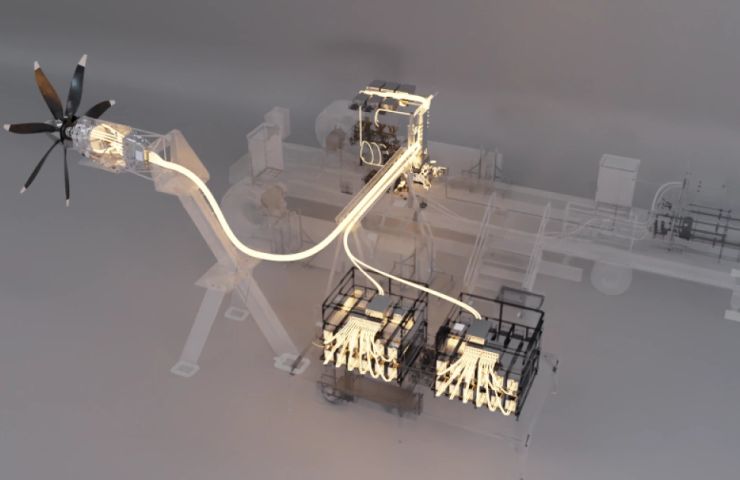
The IRGR system is clever—it employs a dedicated cylinder to crack ammonia (NH3) into hydrogen (H2) and nitrogen (N2) during combustion. This "reformer" cylinder runs rich on fuel under high temperatures, igniting pyrolysis without needing extra gear. The resulting hydrogen-rich exhaust flows back through an exhaust gas recirculation (EGR) loop into the intake manifold. By mixing this lean hydrogen mix with fresh ammonia and air, the adjacent cylinders can burn fuel faster and more efficiently. Plus, with an active prechamber spark plug adding reliability, misfires are kept in check, reducing unburned ammonia slipping through.
Strategic Implications for Maritime Fuel
The shipping industry accounts for about 3% of global greenhouse gas emissions, and sadly, that number is only set to rise unless something changes. Ammonia is emerging as a strong zero-carbon contender; it’s easier to liquefy and store than hydrogen, with most major ports already having tank designs and bunkering systems ready to go. However, ammonia tends to burn poorly in traditional engines, producing NOx emissions and sometimes needing pilot fuels. The IRGR engine is poised to address this, creating hydrogen internally and cutting back on emissions, all while aligning with Singapore’s National Hydrogen Strategy and the International Maritime Organization’s goal for net-zero by mid-century.
Partnerships and Funding
This year, NUS landed funding from the Singapore Maritime Institute to kick off a three-year project on IRGR. Their team is collaborating with a variety of partners, from academic institutions to engineering firms and shipbuilders. They're leveraging expertise from NUS’s College of Design and Engineering and the newly opened Centre for Hydrogen Innovations, which boasts a 600 sqm engine testing facility. This project builds on previous research published in Nature Communications that tackled ammonia cracking in lab settings and highlighted the challenges posed by external reformers. The goal? Move from lab-scale tests to full-size prototypes that can be rolled out on working vessels.
Infrastructure and Fuel Supply
One of the standout benefits of the IRGR engine is its compatibility with current ammonia bunkering infrastructure. Singapore is already a significant player in global ammonia shipments, and recent trials—like the ammonia bunkering on the Fortescue Green Pioneer—have shown that it's logistically feasible. Since ammonia can be liquefied at lower pressures than hydrogen, the terminals and storage facilities would be less intrusive to modify. Plus, the IRGR design can easily integrate with shore power and hybrid-electric setups, providing flexibility during port operations or when there’s a power emergency.
Economic and Market Impact
Making the switch from heavy fuel oil to green ammonia for large container vessels has the potential to save shipowners a fortune on carbon taxes and compliance costs. The onboard reforming approach offered by IRGR also means companies won't have to spend as much on adding external reformers and hydrogen tanks. Not to mention, this creates opportunities for local research, development, manufacturing, and service services in maritime hubs like Singapore. Engine manufacturers, shipbuilders, and port operators stand to gain from new revenue streams as the appetite for ammonia-fueled cargo fleets grows. Plus, training programs for marine engineers and technicians will become essential for maintaining these engines, opening up upskilling pathways within the maritime sector.
Environmental and Safety Considerations
The IRGR engine aims for an impressive 90% reduction in CO2-equivalent emissions when powered by green ammonia. With its approach to stabilizing lean combustion, it's also set to curb NOx and nitrous oxide (N2O)—a greenhouse gas that’s nearly 300 times more harmful than CO2. However, ammonia doesn’t come without its risks; it's toxic at elevated concentrations, which means robust leak detection, proper ventilation, and personal protective gear are absolutely essential. The NUS team plans to incorporate advanced sensors and safety interlocks in future prototypes to ensure compliance with maritime safety regulations.
Challenges Ahead
Scaling up the IRGR from a lab concept to sea-worthy vessels isn't going to be easy. There are several hurdles to overcome, like proving that the system can withstand the harsh conditions of marine environments, ensuring it performs reliably across different engine loads, and getting the nod from regulatory bodies. We also need to ramp up the production of green ammonia—currently, it’s still far from meeting the needs of a global fleet transition. Ammonia's corrosiveness, coupled with nitrogen-dense exhaust, demands careful material choices to avoid quick wear and tear. Finally, we need to make sure that the financial aspects add up when compared to other emerging options, like battery-electric ferries or dual-fuel methanol engines.
Looking Ahead
The IRGR engine gives us a practical pathway to achieve zero-emission shipping: it plays to ammonia’s storage advantages while eliminating the need for onboard hydrogen tanks or external reactors. With solid backing in terms of funding and industry collaboration, NUS is gearing up to validate this engine design in the coming years. If all goes well and the prototype meets efficiency and safety benchmarks, we could see the first ammonia-powered commercial vessels cruising towards cleaner oceans by the decade's end, helping us stay on track with global emission targets and steering the shipping industry toward a more sustainable future.
```