Annica Secures Sarawak Solar-Hydrogen Contract, Launches SGD 5.23M Rights Issue
June 23, 2026In an exciting move towards renewable energy and innovative industrial solutions, Annica Holdings Limited is kicking off an off-grid solar-hydrogen pilot project in Sarawak. At the same time, they’re aiming to boost funding with a proposed rights issue. This combo really shows how smaller energy companies are weaving together rural electrification, hydrogen storage, and investment opportunities to drive growth.
Company Background: Annica’s Renewable and Industrial Focus
Based in Singapore, Annica Holdings Limited specializes in developing renewable energy projects like solar-hydrogen systems, and they’re also involved in recycling-related industrial ventures. The company has its sights set on Malaysia, working hard to expand both its project portfolio and strengthen its financial footing. They’ve entered into various memorandums of understanding and agreements for pilot-scale microgrids and tire pyrolysis, making Annica a promising player in both the energy transition and industrial solutions arenas.
Institutional Partner Profile: UNIMAS Living Lab Model
Universiti Malaysia Sarawak (UNIMAS) is a public university dedicated to community engagement and sustainability. Their Kampung Assum Living Lab initiative is all about blending research with local development, giving students and researchers the chance to test out clean-energy technologies in real rural settings. The upcoming off-grid solar-hydrogen pilot reflects this collaborative spirit, with academic oversight leading to practical applications.
Core Deal: Off-Grid Solar-Hydrogen in Sarawak
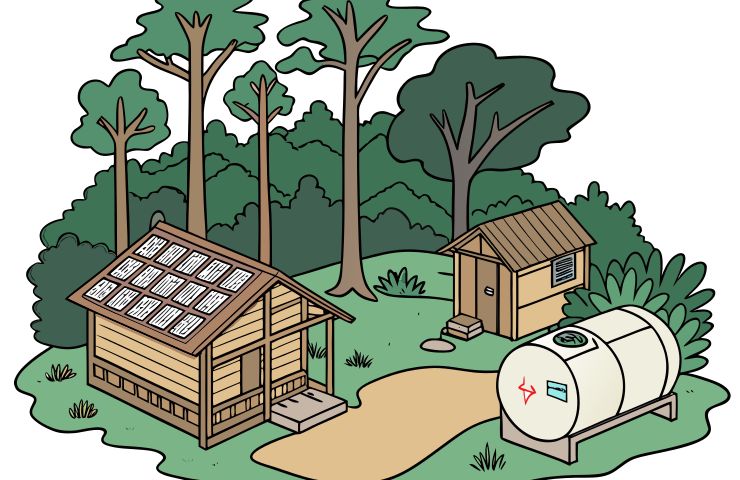
According to announcements from the company, H2 Energy Sdn Bhd, a renewable-energy arm of Annica, has received the green light from UNIMAS to set up an off-grid solar and hydrogen system at the Kampung Assum Living Lab. This installation aims to support villages and remote communities where it’s just not practical to extend the main power grid.
Technical Overview: Solar-Hydrogen Hybrid
This system combines photovoltaic panels with an electrolyzer and hydrogen storage, enabling them to produce hydrogen from surplus daytime solar energy through electrolysis. When the sun isn’t shining, this stored hydrogen can be converted back into electricity via a fuel cell or generator. This hybrid setup is engineered to smooth out the inconsistencies of energy supply, boosting reliability for microgrids that operate off the grid.
- Photovoltaics generate power right where it’s needed.
- Electrolyzer transforms excess electricity into hydrogen.
- Hydrogen storage keeps the gas ready for future energy demands.
- Fuel cell or generator converts hydrogen back into electricity when the sun isn’t shining.
Hydrogen Storage: Long-Duration Hybrid Advantage
Energy storage is a critical hurdle for microgrids. While batteries can address short-term energy needs, hydrogen provides a longer-term solution. It can be stored for days or even weeks, offering backup power during lean periods. For off-grid locations with patchy access to energy, this flexibility in storage helps to balance generation and demand without relying on constant fossil fuel supplies.
Business Context: Rights Issue to Raise SGD 5.23 Million
To support this project and others, Annica is rolling out a non-renounceable rights issue aiming to raise up to SGD 5.23 million (around USD 4.09 million). The funds will go towards project development, working capital, investor relations, and reducing debt. Existing shareholders are invited to take part at a share price of SGD 0.034.
This move highlights the delicate balance small-cap energy-transition companies must strike between fueling growth and managing dilution. If everything goes according to plan, the rights issue could significantly boost their liquidity, although it will also increase the number of shares on the market and depend on how investors feel about early-stage renewable projects.
Local Impact and Rural Electrification
Sarawak’s lush rainforests and scattered indigenous communities make extending the traditional electricity grid a costly endeavor. The Kampung Assum Living Lab project aims to showcase a model that could be replicated in other off-grid areas across East Malaysia. The partnership with UNIMAS provides a strong institutional backing, likely aiding in community engagement, permits, and outreach.
Comparative Edge: Solar-Hydrogen vs. Diesel Generators
In many off-grid areas in Borneo, communities still rely on diesel generators, which have their own set of logistics challenges and fuel expenses. Solar-hydrogen microgrids, on the other hand, hold the promise of lower operational costs over time and zero tailpipe emissions. Of course, the economic viability will hinge on conversion efficiency, upfront costs, and the ability to maintain the system in remote regions.
Parallel Initiative: Tire-Pyrolysis Agreement
In addition to the solar-hydrogen project, Annica is also extending a framework agreement focused on creating diesel-equivalent products from tires. They’re collaborating with Cahya Suria Energy Sdn. Bhd. and Travia Consultancy Services Pte. Ltd. in Malaysia. This agreement involves setting up a recycling facility in Tanjung Malim, which will utilize multiple pyrolysis lines to process discarded tires. Commercial production is targeted for late next year, although these details remain unverified by outside sources.
Strategic Implications
This dual strategy underscores a diversified approach: clean energy systems on one side and circular-economy fuels on the other. For investors and policymakers, the blended narrative signifies ambition that goes beyond standalone projects. There are certainly risks involved as the scale grows, but if they can pull it off, it could unlock replicable models for both renewable microgrids and alternative fuel solutions.
Environmental and Regulatory Considerations
If the Sarawak system successfully replaces diesel generators, it could cut down greenhouse gas emissions and improve the local air quality. That said, both hydrogen systems and pyrolysis facilities will need solid safety measures and waste management practices. Involving a university could facilitate research on lifecycle impacts and community acceptance, but the necessary permits and environmental approvals weren’t confirmed at the time of the announcement.
Replication Potential Across Southeast Asia
Similar off-grid challenges are present in places like Indonesia, the Philippines, and remote islands in the Pacific. If Annica’s pilot meets the intended performance targets, other universities, NGOs, and governments may take inspiration from this model. The modular design of solar-hydrogen microgrids means they can be adapted or moved, making them suitable for varying terrains and energy demands.
Key Risk Factors and Mitigations
Some bumps in the road could include delays in equipment delivery, the complexity of commissioning hydrogen systems, and currency fluctuations between the Singapore dollar and the Malaysian ringgit. Annica suggests working closely with UNIMAS and local contractors to minimize risks related to timing and logistics, while the proceeds from the rights issue are intended to help buffer against financial uncertainty.
Next Steps and What to Watch
Installation for the Sarawak project is set to begin later this month, with commissioning to follow shortly after. Investors will be keenly watching how the rights issue subscription goes, the technical performance of the project, and any updates related to the Tanjung Malim recycling facility. If this pilot proves successful, it could open the door for similar projects throughout Malaysia and the wider Southeast Asia region.
For small-cap firms like Annica, navigating the path from project proposal to operational success is filled with challenges related to financing and execution. However, the intersection of rural electrification, hydrogen storage, and industrial recycling presents an intriguing test case for integrated energy solutions.
 With over 15 years of reporting hydrogen news, we are your premier source for the latest updates and insights in hydrogen and renewable energy.