
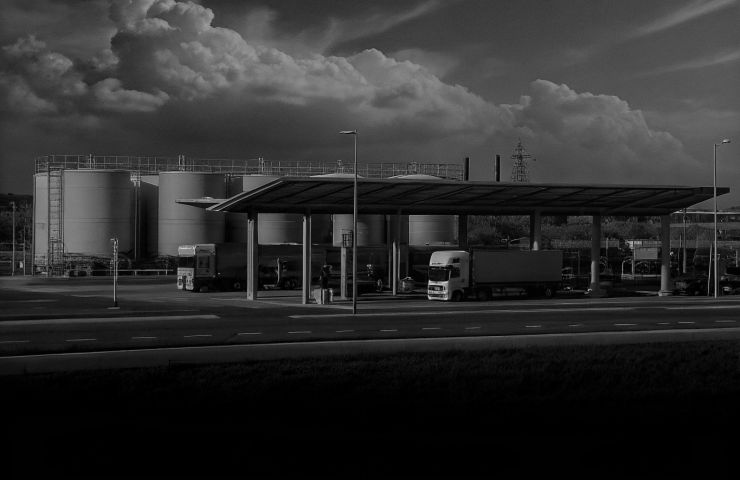
Atawey Expands European Reach with Hydrogen Refueling Stations in Belgium
April 6, 2026Picture pulling up to a station that juices your heavy-duty truck with hydrogen in just minutes—no emissions, no downtime. That’s what Atawey is all about. The French hydrogen refueling stations specialist just sealed a multi-million-euro deal to roll out three new stations in Belgium, supercharging its global footprint and shrinking freight transport’s carbon footprint.
I’ve been following hydrogen mobility for a while, and it’s been wild to see Atawey go from a scrappy clean-tech startup at Savoie Technolac in Bourget-du-Lac to debuting a mobile station in 2021 and dropping its first permanent units in 2022. Fast-forward to today: 51 stations across Europe, a 150-strong team, and €18 million in revenue with 113 percent year-on-year growth. This new pact with Colruyt Group and Virya Energy underlines just how hungry logistics players are for zero-emission solutions.
How will these stations shake up heavy-duty transport?
In freight and distribution, downtime equals dollars down the drain, so any new refueling solution has to be as quick as diesel. Atawey’s stations can compress, store and dispense up to two tons of hydrogen a day, with protocols custom-built for trucks, coaches and other heavy hitters. They even let you fill up multiple vehicles at once, so fleets stay on the road without skipping a beat.
And with everything meeting the EU’s AFIR safety and performance rules, operators get diesel-like speed with zero tailpipe emissions—a real boon for Belgium hydrogen infrastructure and the wider push for hydrogen mobility.
Atawey’s plug-and-play modular magic
The secret sauce? A modular, turnkey setup that keeps production timelines lean and costs in check. Every component’s prefabricated at Atawey’s Savoie Technolac facilities, then shipped out and assembled on site like giant LEGO blocks. It’s all plug-and-play, slashing construction time so each station can fire up in no time. No wonder they’ve grown from a small startup to an industrial-scale player so fast.
And they haven’t forgotten their roots in mobile refueling: Atawey’s mobile hydrogen stations can roll into events, remote sites or maintenance yards and start compressing and dispensing hydrogen on the spot. Each deployment feeds back lessons that refine safety checks and boost reliability in the permanent stations.
Partnering for growth beyond France
Landing this Belgium deal isn’t just another checkmark—it proves Atawey can win tenders in tough, regulated markets. It follows their first station in Italy and a €22 million equity round led by Starquest, backed by ARMOR Group, France’s France 2030 plan, the Auvergne-Rhône-Alpes Regional Fund and InnoEnergy. With that backing, Atawey is on track for positive EBITDA by the end of 2025 and has a confirmed €30 million order pipeline from clients like HYmpulsion, Hynamics and GCK Energy.
Why Belgium is betting on hydrogen
Belgium’s transport system is one of Europe’s busiest, with a dense highway web and logistics hubs around Antwerp and Zeebrugge. To meet its EU Green Deal goals, the country is fully on board with the EU’s Alternative Fuels Infrastructure Regulation, and hydrogen is a key piece of the puzzle. By weaving hydrogen into its refueling network, Belgium aims to slash heavy goods vehicle emissions, which make up a hefty slice of its transport footprint.
Deploying these three stations will plug critical gaps in the national refueling map, giving operators the confidence to plan longer routes knowing high-capacity hydrogen refueling is ready and waiting—right on target for Belgium hydrogen infrastructure.
The ripple effect on Europe’s energy network
Building three stations might seem like a drop in the bucket, but factor in steel fabrication, compressors, safety systems and civil works, and you’ve created an ecosystem. That’s thousands of jobs, hundreds of suppliers and a big nudge for investors and policymakers to take hydrogen mobility seriously.
And as more hydrogen hubs sprout up, we’ll see standard protocols for permitting, maintenance and refueling. That means faster approvals and smoother rollouts down the road, trimming both time and cost for everyone involved.
From retrofits to greenfield builds
Back in 2024, Atawey cut its teeth retrofitting existing stations to serve heavy-duty vehicles, breathing new life into legacy sites. Those lessons have been invaluable for its latest turnkey stations, ensuring they slot seamlessly into sites with on-site hydrogen production or local storage—and they’re ready for future upgrades.
Earlier this year, Atawey even showed off a first: refueling a vessel with hydrogen at a Mediterranean port, proving its solutions work beyond land transport.
What’s in it for transport and the planet?
- Faster turnarounds: Multiple trucks fill up at once, keeping fleets rolling.
- Operational certainty: AFIR-compliant design meets EU rules, slashing regulatory headaches.
- Cost efficiency: Modular builds cut installation time and labor bills.
- Decarbonization: Zero tailpipe emissions help Europe hit climate targets.
- Market momentum: New stations in Belgium help stitch together a continent-wide network.
- Supply chain lift: Infrastructure growth drives demand for hydrogen production and logistics.
- Backup options: Mobile units can step in when fixed stations need servicing or upgrades.
Scaling up across Europe
Atawey isn’t stopping at Belgium. They’re eyeing contracts across major EU logistics corridors and port regions, using their modular, AFIR-compliant design and expanding order book to copy the Belgium playbook in markets with heavy-duty transport targets. The aim? Tie together a pan-European hydrogen mobility network.
Looking down the road
By backing these three stations in Belgium, Colruyt Group and Virya Energy are betting on hydrogen as a linchpin of the future freight transport mix. For Atawey, it’s another milestone—now they’re present in France, Italy and Belgium, with more corners of Europe on the radar. With a €30 million order book and positive EBITDA within sight, their modular, turnkey model could set the standard for rolling out reliable hydrogen infrastructure across the continent. As fleets increasingly turn to zero-emission fuels, these stations will demonstrate just how seamless a hydrogen-powered logistics network can be.


 With over 15 years of reporting hydrogen news, we are your premier source for the latest updates and insights in hydrogen and renewable energy.