AUV Envoy Achieves Over 2,000 km Submerged Endurance
Cellula Robotics' Envoy AUV set a new benchmark by completing a 2,023 km, 385-hour submerged mission on hydrogen fuel cell power.
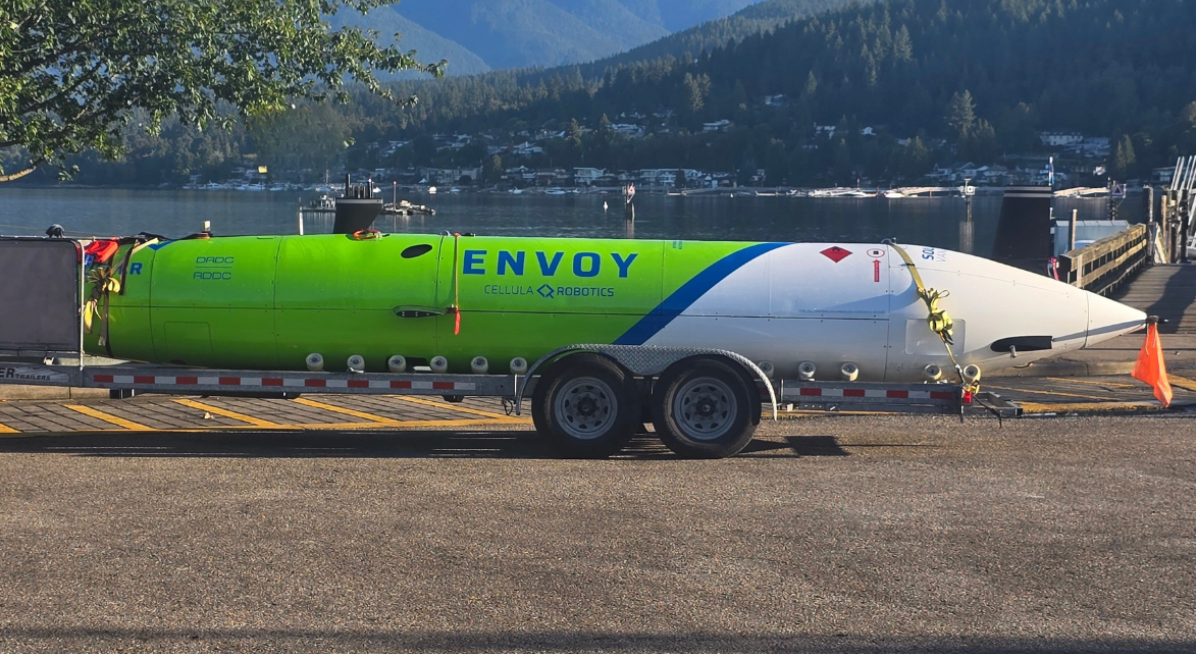
Launch into the Deep
Ever wondered what true endurance underwater feels like? Cellula Robotics Ltd just flipped the script on underwater robotics. Their sleek, 8.5-metre Envoy AUV recently dove in and stayed down, traveling over 2,023 km powered by a single 1200 W hydrogen fuel cell from Infinity Fuel Cell and Hydrogen, Inc.. That’s nearly 385 hours of silent, no-emissions operation—no surfacing, no recharges, and nobody onboard. It cruised through varying currents and unpredictable conditions without breaking a sweat. And here’s the kicker: it didn’t just reach its promised 2,000 km range and 15-day mark; it shattered them during a real-world offshore trial. This milestone really underlines the potential of next-gen Hydrogen Fuel Cell AUVs.
Why Range Matters
If you’ve ever tracked an AUV mission, you know how quickly batteries can die. Most traditional underwater drones sputter out after a few hundred kilometres, forcing mid-mission swaps or a costly lift boat. That’s a logistical headache—tight windows, extra crew, more expense, and limited reach. Enter the long-endurance AUV: with the Envoy AUV, you can launch from a single dock and let it roam far offshore, inspecting pipelines, mapping the seabed in one go, then sail back home—without ever needing a pit stop. Whether it’s deep-sea research or covert defense patrols, this system keeps going when others call it quits.
The Magic Ingredient
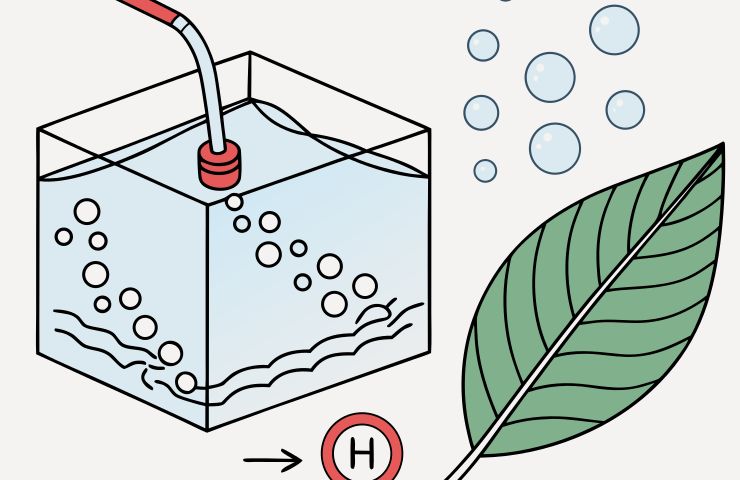
The secret sauce? A compact hydrogen fuel cell. Instead of lugging giant battery packs that deplete under heavy loads, the Envoy AUV carries high-pressure hydrogen tanks. The fuel cell turns that hydrogen and oxygen into electricity in a whisper-quiet, water-only-emitting reaction. The payoff? A power setup that’s efficient, stealthy, and immune to typical battery drawbacks—pure subsea autonomy in action. Perfect for silent runs near marine life or covert operations.
A Real-World Demo
Here’s what the trial looked like and why it matters:
- 2,023 km of submerged range
- 385 hours of nonstop cruising
- 8.5 m long, 1 m diameter, 3,700 kg displacement
The run tackled varied terrain, from calm shallows to rolling continental slopes, all in one go. On top of that, the Envoy AUV nailed station-keeping by locking onto the seabed with its built-in suction anchor. Whether it’s detailed pipeline inspections, cable surveys, or ecological monitoring, that level of hover-tactic control is gold. Mission conditions—currents, depths, temperatures—mirrored real-world challenges, proving this platform’s grit.
Behind the Evolution
Underwater drones have come a long way in the last decade. Early battery prototypes ran for hours at best, maybe tens of kilometres, and needed tight support crews. Fuel cells emerged in the 2000s, but only with recent leaps in packaging, hydrogen storage, and power management have we unlocked true long-endurance AUVs. Platforms like the HUGIN series hinted at 100 km cruises, but the Envoy AUV turned that into solid reality with its sleek hull, smooth hydrodynamics, and advanced powertrain—a real evolution in underwater robotics.
Engineering Hurdles
Slapping a fuel cell on a hull isn’t enough—engineers had to master hydrogen storage at depth, keeping tanks leak-free under pressure. They built tight thermal controls to keep the fuel cell purring in cold waters and added redundancy and emergency shutdown protocols. All of that sits inside a one-metre-diameter frame, a serious feat in marine engineering and subsea autonomy.
Collateral Impact
Beyond simply stretching range, switching to hydrogen power slashes the carbon footprint. No diesel fumes, no noisy battery swaps—just pure water vapor, so marine life doesn’t get rattled. That’s a big win for delicate ecosystems and scientific research. On the flip side, operators will need hydrogen supply chains at their launch sites—an emerging market that’ll grow as more Hydrogen Fuel Cell AUVs hit the waves. Early adopters will be trailblazers, shaping this industry’s future. Today’s infrastructure investments will determine how fast hydrogen becomes as routine offshore as diesel.
Strategic Angle
To bring this game-changer to life, Cellula Robotics Ltd teamed up with Infinity Fuel Cell and Hydrogen, Inc., which tailored a 1200 W system just for the job, integrating it seamlessly into the AUV’s power architecture. This collab underscores a broader shift in the subsea world toward hydrogen logistics, driven by defense contracts, offshore wind surveys, pipeline checks, and keen interest from ocean science agencies. It’s proof that deep-sea ventures can go green without sacrificing performance.
Zooming Out
With fuel cells rocking a ten-day stint at sea, subsea autonomy is on the brink of flipping the script. Picture endless security patrols, all-day ocean mapping, and remote infrastructure inspections—all without a mothership trailing behind. Mix in AI-driven navigation that re-routes on the fly, makes split-second calls on obstacles, and flags anomalies instantly, and you’ve got unmanned crews handling currents and priorities solo. As hydrogen bunkering stations sprout at key harbors, and battery hybrids jump in for power bursts, the deep sea will feel as accessible as nearshore waters do today.
Challenges on the Horizon
That record-breaking run is impressive, but scaling hydrogen AUVs comes with fresh puzzles. Remote ports need hydrogen bunkering—compression or liquefaction setups that are thin on the ground at sea. Safety rules for handling high-pressure gas offshore must be rock-solid. And while fuel cells pay off over the long haul with lower operational costs, their upfront price tag still outstrips traditional batteries. Operators will need clever business models to cover that initial investment. Clearing these hurdles is key to making epic endurance missions the norm.
Next Horizon
With this achievement under its belt, the Envoy AUV is just warming up. Cellula Robotics Ltd is eyeing modular bays for advanced sonar and optical sensors, optical modems for near-real-time data streaming, and hybrid power modes that blend fuel cells with backup batteries for high-thrust bursts. They’re also planning bigger hydrogen tanks, hull tweaks for deeper dives, and partnerships with port operators to roll out refueling stations. Collaborations with research institutes, navies, and industry players could supercharge sensor development and data pipelines. Each upgrade could push endurance past two weeks, unlocking missions we once only dreamed about. The deep ocean might be vast, but now our reach is even broader—the next chapter in subsea autonomy is already under way.