
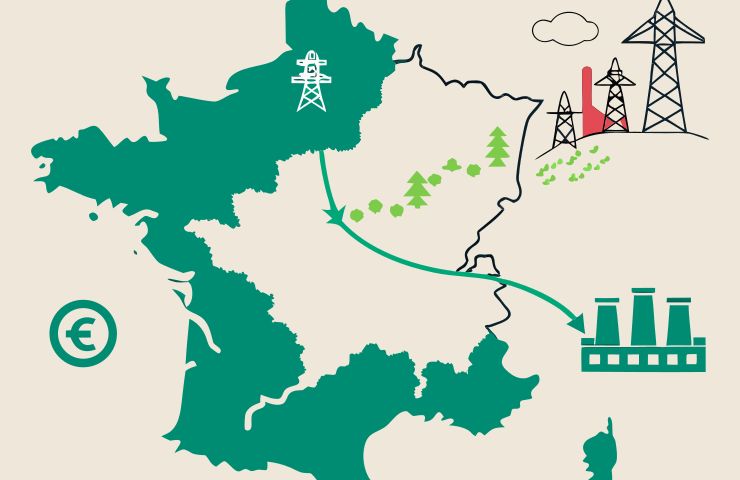
Basque Government Advances Hydrogen Infrastructure with Irun–France Pipeline Study
March 25, 2026So, the Basque government kicked off a major feasibility study to see if adding a secondary pipeline from the Enagás trunk line to Irun is the right move. Announced on March 23, 2026, the Gobierno Vasco, via EVE, tapped engineering whizzes at Team Engineering and research powerhouse Tecnalia to explore how Euskadi’s booming green hydrogen could flow into France under the Phyrene programme—boosting the EU-backed H2Med corridor and supercharging regional hydrogen infrastructure.
Context and Objectives
The Basque Country’s no stranger to heavy industry—steel mills, chemical works, and the big Petronor refinery that fires up a massive electrolyzer on-site to carry out electrolysis and keep its processes humming with renewable hydrogen. Over in the French Pyrenees, factories and refineries are gearing up to soak up low-carbon fuels as France rolls out its own hydrogen strategy. By pinning Irun as the main exit point, the study’s checking if a branch off the Muskiz-Arrigorriaga-Haro line could ship serious volumes of H₂ abroad while making sure local players stay stocked.
Technical Scope of the Study
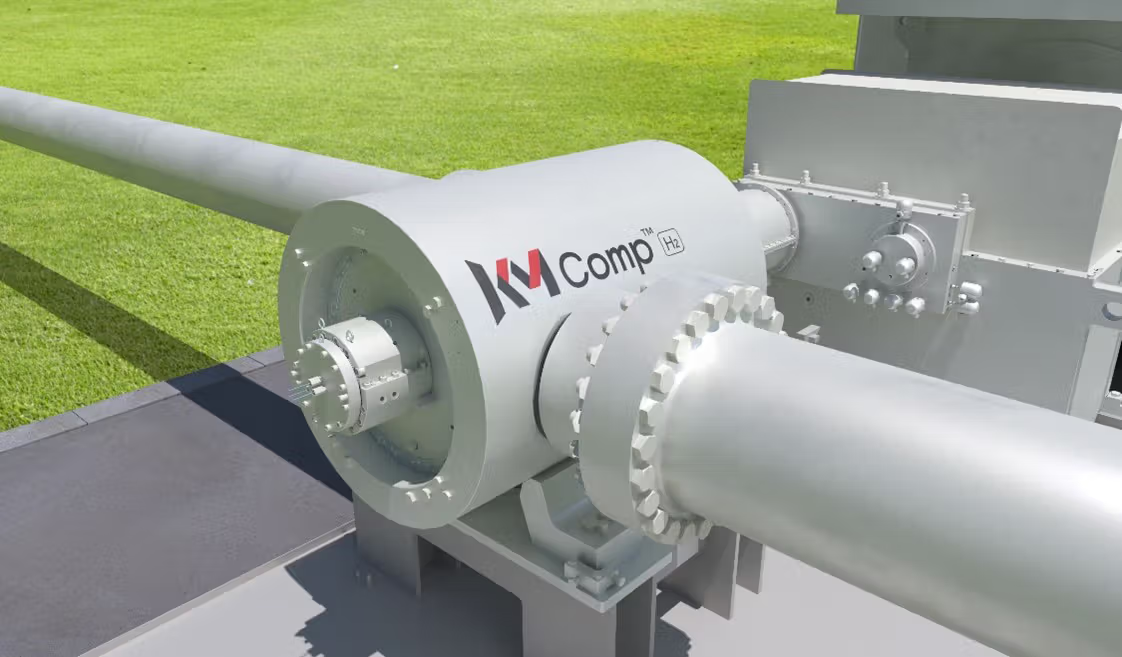
Team Engineering and Tecnalia are rolling up their sleeves to figure out if they can repurpose old steel gas pipes or need to lay down a fresh corridor. They’ll crunch the numbers on compression specs, safety standards, and how to hook up compressor stations on both sides of the border. The team will also map current and planned electrolysis hubs—from Petronor’s big electrolyzer to new green hydrogen projects—and build demand curves for industry and transport. If everything lines up, Nortegas would step in to run these feeder lines, though the details are still being ironed out.
Strategic Implications
This pipeline idea isn’t just a local side project—it plugs straight into Europe’s wider push for industrial decarbonization and net-zero targets. The study will test a range of scenarios, from bold to cautious, around future hydrogen production and uptake in factories, refineries, and fleets. It dovetails with Enagás’s vision of a roughly 2,600 km national backbone by 2030 and the trans-European link to Marseille. Spain’s current electrolyzer programmes could hit about 235 MW—around 34,000 tonnes of clean H₂ a year by 2026—so there’s already a solid production baseline for pipelines like this.
Stakeholder Roles
The Gobierno Vasco and EVE are betting Euskadi can become Europe’s next hydrogen hub, sparking fresh investment and creating jobs. Team Engineering brings pipeline design and salt-cavern storage expertise, while Tecnalia leads on R&D for electrolysis and demand modelling. Enagás is steering the national transmission effort, Nortegas would handle local distribution, and Petronor already stands as a flagship green H₂ producer with customers lined up.
Collateral Impacts and Risks
On the upside, a new link could fast-track the region’s industrial decarbonization, open fresh markets in France, and fuel jobs across engineering, construction, and operations. EU tools like Projects of Common Interest and NextGenerationEU funding could soften the financial blow. But there’s a flip side: if demand doesn’t keep pace with supply, the project could face stranded-asset risks and higher per-unit costs. Plus, any build needs environmental approvals, which can tack on extra lead time.
Next Steps and Outlook
The feasibility study is in full swing, with a first glimpse at findings due later this year. Those insights will guide detailed engineering, budgeting, and permitting. If it gets the green light, Irun could become a linchpin in Europe’s hydrogen network—unlocking low-carbon supply chains across the Pyrenees and cementing Euskadi’s spot at the forefront of industrial decarbonization. While everyone awaits the final report, this pipeline concept is shaping up as a model for border regions looking to tap cross-national hydrogen infrastructure synergies.
By weaving together local production assets, national transmission plans, and EU corridors, the Basque pipeline proposal captures the multifaceted drive toward a resilient, zero-emission energy future. Its success could light the way for other regions eager to harness cross-border collaboration in the green hydrogen era.

 With over 15 years of reporting hydrogen news, we are your premier source for the latest updates and insights in hydrogen and renewable energy.