
Belgium Launches White Hydrogen Exploration Project
March 30, 2026This month, the Belgian Federal Council of Ministers, under the guidance of Climate Minister Jean-Luc Crucke, gave the green light to a national drive exploring natural white hydrogen deposits lurking beneath Belgian soil. It’s all part of the bigger Belgium hydrogen project, aiming to cement our place in Europe’s clean energy landscape and fuel the ongoing energy transition. In a nutshell, the team will map out hydrogen-rich geological formations—think of it like those early oil-and-gas surveys—and then drill a handful of test boreholes to see if these pockets can be tapped commercially. The promise? By tapping into local geological resources that churn out hydrogen naturally, Belgium could score a low-cost, zero-emissions fuel and slash its reliance on imports. Minister Crucke even dubbed the potential find a “gamechanger,” stressing that these initial digs will reveal just how big and valuable the reservoirs might be.
Technology and Approach
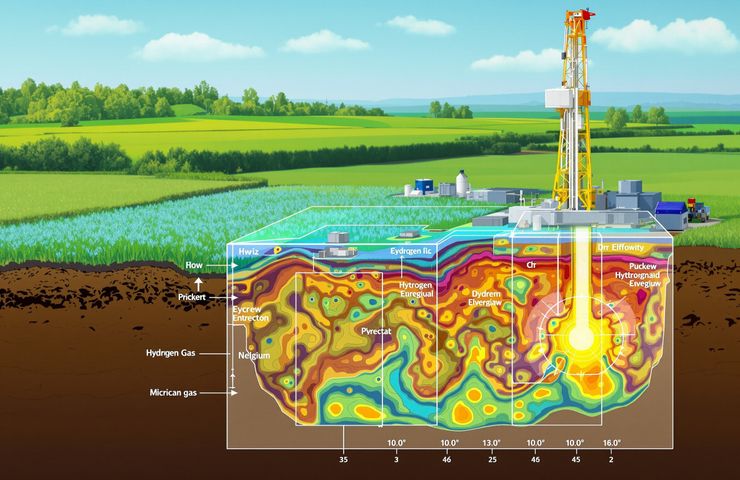
First up, we’re rolling out some serious white hydrogen exploration tools. Geophysical mapping techniques—like high-resolution seismic surveys and magnetotelluric measurements—will scan deep underground for iron-rich rock layers where hydrogen builds up through natural processes such as serpentinization. In plain English, water meets certain minerals down there and voilà: hydrogen gas is produced and trapped in porous formations. Once the maps highlight promising zones—perhaps stretching from France’s Lorraine region into eastern Belgium—engineers will send down drill rigs to about 3,500 meters to test hydrogen purity, pressure and flow rates. Those boreholes will be our reality check on whether we can extract hydrogen reliably and cost-effectively.
To keep the footprint small and the budget in check, the project taps into Belgian know-how from universities and geoscience institutes. By marrying cutting-edge seismic data with regional geological models, teams can zero in on the highest-potential targets. The upshot? Fewer wildcat wells, lower drill costs and less environmental disruption—all while getting a crystal-clear view of the underground reservoirs before we think about large-scale development.
Practical Applications and Benefits
If tests show these natural hydrogen deposits are sizable and pure enough, they could power heavy industries—from steelmaking to chemical plants—that currently depend on high-temperature processes or imported hydrogen. Even better, we could start blending locally sourced hydrogen into existing gas infrastructure or tie in with the planned 160-kilometer pipeline linking Antwerp and Zeebrugge by 2026. That means cities, industrial parks and even mobility hubs could tap a zero-emissions fuel without waiting on electrolyzers to churn out green hydrogen.
For businesses and consumers alike, that spells more predictable supply and steadier prices. It’s a straightforward way of solving real-world problems around energy security and market volatility—while laying the groundwork for a fully homegrown hydrogen economy. Local contractors, sensor manufacturers and service providers will all get their share of new contracts, and university labs stand to gain invaluable research data. In short, unlocking these natural reserves could boost Belgium’s reputation as an energy hub without adding a single extra ton of CO₂ to the atmosphere.
Environmental Impact and Economic Opportunities
One of the coolest things about white hydrogen exploration is that it sidesteps the need for electricity or green feedstocks—so lifecycle emissions are effectively zero. That contrasts nicely with electrolytic green hydrogen, which gobbles up renewable power and water. By harnessing geology that’s already doing the work underground, we avoid energy-intensive production steps and free up grid capacity for other uses. For tough-to-electrify sectors like heavy transport and steelmaking, this approach could significantly shrink Belgium’s carbon footprint.
On the economic side, tapping domestic hydrogen sources could cut import bills on LNG or ammonia, keeping money in local pockets and sparking growth in clean-tech startups. At the same time, the project is built on thorough risk assessments and close coordination with environmental authorities to safeguard groundwater and monitor any seismic effects.
Collaboration and Next Steps
With federal approval in hand, the next phase kicks off with geophysical surveys in several eastern regions. Universities like Ghent and Antwerp will lend their rock-physics and fluid-modeling chops, while national labs chip in advanced sensor tech. Once the high-potential zones are mapped, specialized drilling teams will move in to collect rock and gas samples. This initial leg is all about gathering rock-solid data on purity, pressure and reservoir size—no leap-of-faith investments yet.
Funding for this groundwork comes straight from the federal budget, with talks under way to snag EU research grants as co-financing—underscoring how strategically important this is for Europe’s broader clean energy infrastructure. Later stages will dive into feasibility studies, environmental impact reviews and alignment with that Antwerp–Zeebrugge pipeline network.
Looking Ahead
Belgium’s leap into natural hydrogen deposits is a bold move toward energy independence and deeper decarbonization. If the early explorations pay off, expect to see new hydrogen hubs taking shape, linked to international markets and fueling homegrown innovation. For local communities, that translates into jobs and cleaner air. For industry, it delivers a reliable, low-carbon feedstock. And for Europe, it showcases a fresh route to solving real-world energy challenges—proof that you don’t always need fancy electrolyzers to tap into the planet’s natural bounty. Stay tuned as Belgium lights the way for a new era in low-carbon energy and propels the ongoing energy transition.

 With over 15 years of reporting hydrogen news, we are your premier source for the latest updates and insights in hydrogen and renewable energy.