Blue Hydrogen Projects Driving Clean Energy Growth on the US Gulf Coast
February 9, 2026Gulf Coast Emerges as a Clean Energy Powerhouse
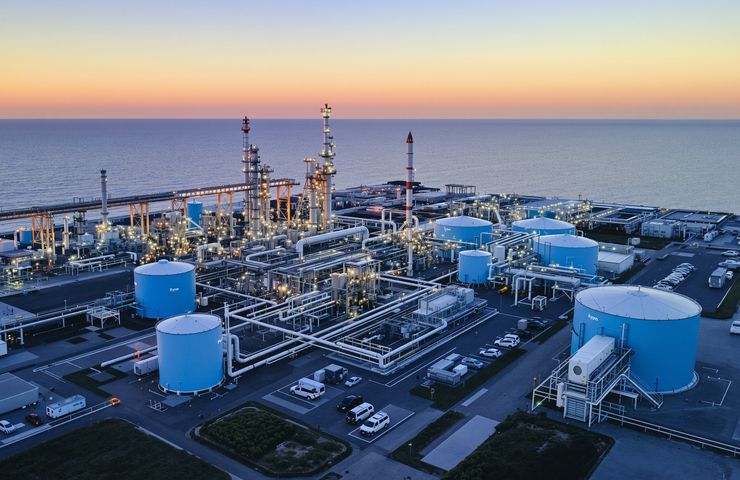
Beaumont, Texas, often conjures up images of sprawling refineries and pipelines, but it’s quietly turning a new page—one centered on Gulf Coast clean energy and low-carbon solutions. Thanks to its deepwater ports, established gas networks and robust industrial gas supply chains, this neck of the woods is tailor-made for world-scale hydrogen production. Right now, Linde is at the helm, teaming up with OCI and ExxonMobil to lay down the pipelines and build the facilities that could reshape industries from farming to shipping. In other words, Beaumont is proving how an old-school petrochem hub can pivot to a greener future.
A New Chapter for Beaumont’s Blue Hydrogen Plant
This month, Linde pulled back the curtain on its $1.8 billion blue hydrogen venture sitting right next to OCI’s ammonia complex. But this isn’t just another pretty face; it’s slated to churn out roughly 1.1 million metric tons of hydrogen a year via autothermal reforming, where methane dances with oxygen and steam to strip out pure H₂. The kicker? Over 1.7 million tons of CO₂ won’t escape—they’ll be squeezed out in a major carbon capture and storage effort, piped by ExxonMobil and stashed in a secure geological formation. That captured CO₂ will help OCI shrink the carbon footprint of its fertilizer plant, turning natural gas into low-carbon ammonia with a whole lot less guilt.
World-Scale ASU in Louisiana Strengthens Supply Chain
A chill in Ascension Parish: that’s where Linde is locking down a long-term deal to build and run a massive cryogenic Air Separation Unit (ASU) for the Blue Point Number One project, in partnership with CF Industries, JERA and Mitsui & Co. Backed by over $400 million, this plant will pull oxygen and nitrogen right out of thin air—freezing it to liquid and separating the pieces—to feed the production of about 1.4 million metric tons of low-carbon ammonia each year. It’s a big win for reliable industrial gas supply: economies of scale here should help drive down costs and keep the Gulf Coast clean energy momentum rolling along.
Building a Resilient Ammonia Network
Here’s where it all clicks: hydrogen made the low-carbon way in Beaumont gets piped down to meet nitrogen from Louisiana, and voilà—you’ve got low-carbon ammonia ready to hit the market. From Gulf Coast ports, that cleaner fertilizer or marine fuel sails off to customers in Europe and Asia. With the EU’s Carbon Border Adjustment Mechanism kicking in, exporting greener inputs is more attractive than ever. Plus, shipping lines are eyeing ammonia as a zero-carbon bunker fuel. Connecting blue hydrogen with top-notch industrial gas supply isn’t just smart—it’s shaping a more resilient, global ammonia network.
Job Creation and Local Benefits
This isn’t just about pipelines and milk-carton megatons. In Texas, the blue hydrogen plant will mean around 15 steady, long-term gigs plus a few hundred boots-on-the-ground roles during the buildout. Head over to Louisiana, and you’re looking at over 100 new positions—from operators and safety teams to logistics pros. Local outfits—from steel shops to engineering consults—will snag contracts, and community colleges are already ramping up programs to train the next wave of technicians. It’s a win-win, with jobs and skills sprouting up across the Gulf Coast clean energy landscape.
Scaling Up Carbon Capture for Impact
When it comes down to it, carbon capture and storage is the name of the game. By linking the Texas and Louisiana sites, they’re planning to lock away over 2.2 million metric tons of CO₂ each year—that’s like pulling half a million cars off the road. These systems aren’t slapped together overnight; operators are teaming with geology experts to make sure those underground traps stay airtight. Regulators are watching every pore and pressure test, treating this as the gold standard for CCS. If all goes well, this blueprint could be the go-to playbook for decarbonizing heavy industry everywhere.
Policy Tailwinds and Global Ambitions
None of this happens in a vacuum. Thanks to the U.S. Inflation Reduction Act, there are juicy tax credits up for grabs on low-carbon hydrogen and carbon capture and storage—giving investors the confidence to dive in. On the global stage, Paris Agreement goals, corporate net-zero pledges and hungry markets are all raising the bar for cleaner inputs. While the Beaumont plant fires up in 2025 and the Louisiana ASU follows in 2029, planning kicked off back in 2022. It’s a classic case of an oil-and-gas stronghold repurposing its strengths for a world hungry for greener solutions.
Looking Ahead to a Cleaner Energy Ecosystem
Step back and you’ll see the Gulf Coast clean energy ecosystem marrying age-old industrial know-how with cutting-edge low-carbon tech—think Linde teaming up with OCI, CF Industries, JERA, Mitsui & Co and ExxonMobil to weave a hydrogen-to-ammonia value chain with world-class industrial gas supply that’s both ambitious and scalable. We’re not tossing fossil feedstocks aside overnight; we’re simply learning to manage and shrink their emissions responsibly. If these Gulf Coast pioneers pull this off, they won’t just meet decarbonization goals—they’ll hand the rest of the world a playbook on how to do it right.
 With over 15 years of reporting hydrogen news, we are your premier source for the latest updates and insights in hydrogen and renewable energy.