Bosch Unveils 1.25 MW Electrolyzer at Farmington Hills R&D Hub
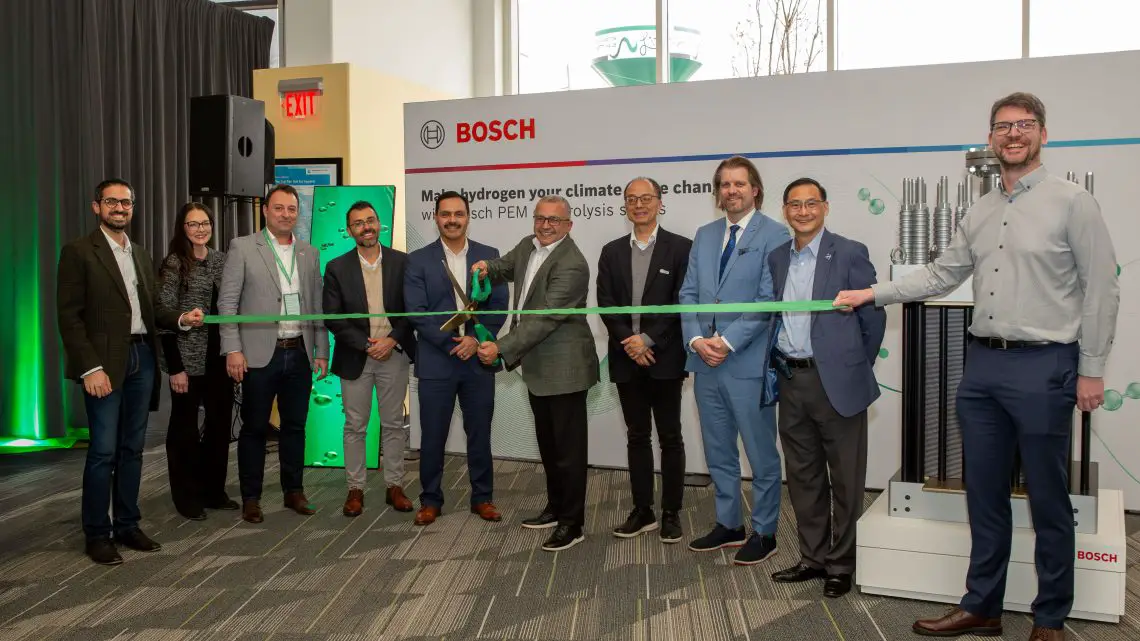
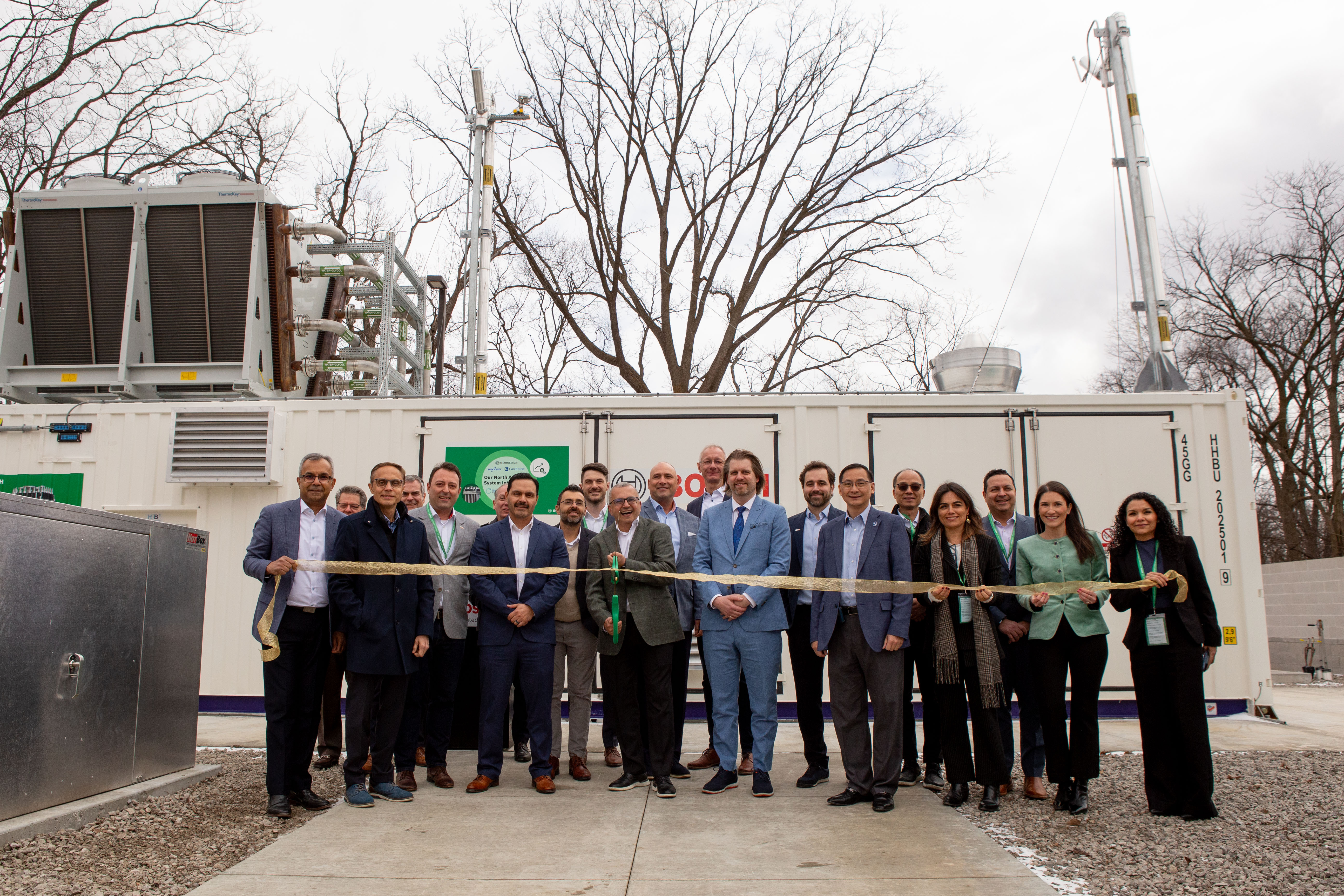
March 23, 2026Bosch just kicked off a new 1.25 MW electrolyzer facility featuring its Hybrion PEM Electrolysis Stack at the company’s North American headquarters in Farmington Hills, Michigan. This expansion is the latest chapter in a $13.7 million investment they announced in January 2025 as part of the Regional Hydrogen Research and Development Hub, with a $500,000 boost from the Michigan Business Development Program. It all signals Bosch’s commitment to supercharging hydrogen production and shoring up the clean energy supply chain across mobility, industry, and stationary power sectors.
Strategic Implications
This move is a big step toward Bosch’s goal of rolling out a solid hydrogen infrastructure in North America. By producing hydrogen on-site, they’re slashing the value chain for testing both electrolyzers and hydrogen fuel cells, which means faster development cycles and a shorter route to market. Peter Tadros, Regional President of Power Solutions for Bosch in North America, notes that it aligns perfectly with state and federal clean energy objectives and gears the company up to meet booming demand in heavy-duty transport and industrial decarbonization.
Technical Snapshot
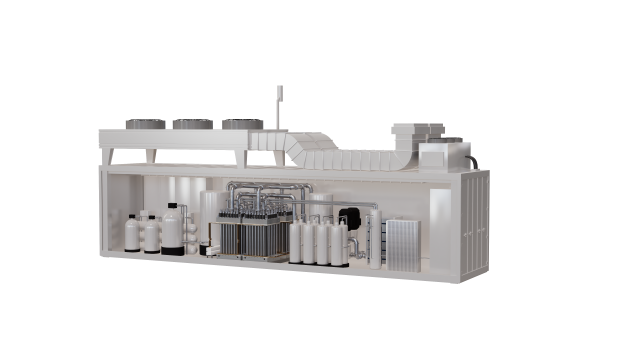
Here’s the lowdown: Bosch’s new 1.25 MW Electrolyzer System is powered by the Hybrion PEM Electrolysis Stack. With electrolysis using Proton Exchange Membrane technology, it splits water into hydrogen and oxygen under gentle conditions, giving you instant on-off flexibility and top-notch purity. It’s a smaller sibling to the 2.5 MW system running at Bosch’s Bamberg, Germany site—so Michigan’s team can run side-by-side tests, crunch the numbers, and beef up stack durability.
Key Takeaways for Investors and Partners
- By making hydrogen on-site, testing cycles for electrolyzers and hydrogen fuel cells get turbocharged, trimming down development timelines.
- Backed by Michigan’s clean energy initiatives and the Midwest Alliance for Clean Hydrogen, this expansion shows how public-private teamwork can really move the needle.
- It’s adding 28 new roles in engineering, operations, and maintenance—giving Oakland County’s talent pool a solid boost.
- Bosch’s all-in approach—from stacking membranes to engine development—helps cut system costs and dodge supply chain hiccups.
Parallel Developments
Bosch isn’t the only one setting up shop in North America’s hydrogen scene. Automotive suppliers in Canada are unveiling their own PEM electrolyzer pilots, and U.S. utilities are busy trialing utility-scale alkaline systems. What really makes Bosch’s playbook stand out is the one-stop-shop R&D vibe—electrolysis and hydrogen fuel cells get tested side by side, giving engineers a full-circle look at performance and reliability.
Event Highlights
Bosch timed the launch to coincide with its Hydrogen Technology Day, welcoming more than 100 industry insiders. From heavy-duty trucking demos to backup power deep dives, the day was packed. Toyota’s Jordan Choby even delivered a keynote on seamlessly integrating hydrogen fuel cells. Guests toured the new electrolyzer bay and rolled up their sleeves in panel discussions focused on cutting hydrogen production costs and extending stack lifetimes.
Historical Context
It all started in 1886 in Stuttgart, Germany, when Robert Bosch GmbH was just an automotive parts shop. Over the decades, it ballooned into a global tech leader. The Farmington Hills site became its North American power solutions hub, honing in on engine development and industrial electronics. Come January 2025, Bosch announced a 2,200 sq ft grow-out for hydrogen testing—officially transforming the R&D hub into a jam-packed production and validation powerhouse.
Collateral Impacts
Dropping an on-site electrolyzer has a domino effect:
- Jobs boost: 28 new positions in engineering, operations, and maintenance.
- Supply chain resilience: On-site hydrogen production cuts dependence on outside suppliers.
- Emission reductions: Helps mobility and industrial partners hit their decarbonization goals.
- Economic stimulus: Leverages Michigan’s engineering talent and taps into clean energy incentives.
Looking Ahead
With the electrolyzer humming, Bosch is set to ramp up stack and hydrogen fuel cells validation through 2026. Carola Ruse, Senior Vice President of Electrolyzer Solutions, points out that this facility underscores Bosch’s push to scale green hydrogen and hit those all-important cost targets. As the world’s appetite for hydrogen production grows, this R&D hub is poised to become the go-to model for future sites and partnerships across North America.
About Bosch: Since 1886, Bosch has gone from its humble Stuttgart beginnings to a global engineering and tech powerhouse. Today, the Farmington Hills hub is laser-focused on hydrogen production, hydrogen fuel cells, and pushing the envelope on sustainable mobility solutions.


 With over 15 years of reporting hydrogen news, we are your premier source for the latest updates and insights in hydrogen and renewable energy.