
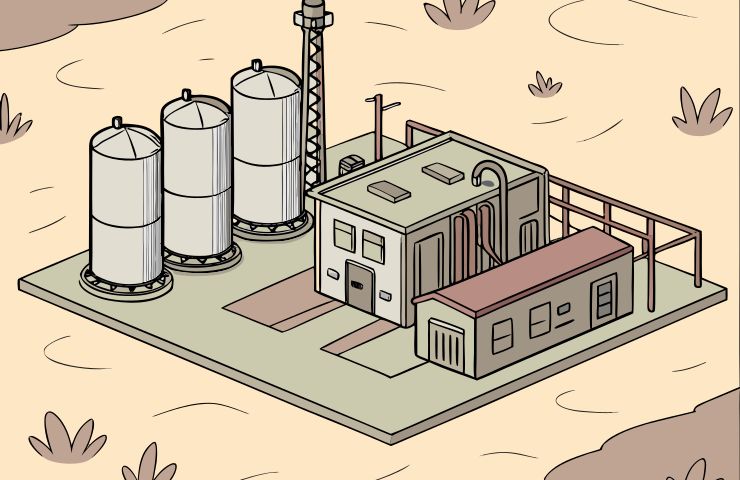
Cannon AFB Trials Hydrogen Infrastructure for Critical Water Supply Backup
June 22, 2026Out on the Llano Estacado plateau near Clovis, New Mexico, Cannon Air Force Base is shaking things up with a hydrogen-based backup power system aimed at keeping its water pumps and treatment units humming when the grid takes a hit. This initiative, highlighted in FuelCellsWorks and shared on the base’s official site, is a pretty exciting step forward in the world of hydrogen energy news and the broader push for hydrogen infrastructure by the Department of Defense.
Securing Water in a Semi-Arid Region
Now, here’s the scoop: Cannon AFB is nestled in eastern New Mexico’s semi-arid grasslands, and it relies heavily on pumps sucking water from the Ogallala Aquifer. In a place like this, having reliable power for water supply isn’t just a luxury—it’s absolutely essential for keeping personnel safe, responding to fires, and making sure base operations run smoothly. For years, traditional diesel generators have been the go-to backup, but they come with a whole bunch of headaches—logistics challenges, noise pollution, emissions, and worries about fuel security. This is exactly why the hunt is on for cleaner, more flexible options.
How the Hydrogen Backup System Works
While we don’t have all the nitty-gritty details on the Cannon trial just yet, a typical hydrogen backup setup generally kicks off with hydrogen supply. That hydrogen can either be delivered as compressed gas or made right there on-site through electrolysis, using either grid power or renewable energy. Once it’s ready to roll, the gas is stored in high-pressure cylinders or advanced storage systems until it’s time to use it. When the power goes out, a smart control system pops into action, firing up fuel cells or hydrogen-capable generators to keep those water pumps and treatment units running.
Take a proton exchange membrane (PEM) fuel cell, for instance. In this nifty setup, hydrogen breaks apart into protons and electrons at the anode. The electrons then zip through an external circuit, creating electricity, while the protons flow through a polymer membrane to reunite with electrons and oxygen at the cathode. This combination creates water and heat. One of the major perks of this system is the hydrogen storage capacity. Having a good stash of hydrogen means the system can keep going for hours or even days when there’s a major outage, making it a real lifesaver.
Strategic Impacts for the Air Force
This pilot program fits right into the U.S. Air Force and Department of Defense’s broader efforts. They’re pushing for microgrids, renewable energy, and alternative fuels to protect vital assets from nasty weather, cyber threats, and unstable grid conditions. If this hydrogen experiment proves to be reliable and doesn’t break the bank, we could see similar projects popping up at other bases where continuous water access is just as critical. Plus, local engineers and logistics crews would get some hands-on experience with hydrogen production methods and fuel cell technology, setting the stage for future maintenance, training, and maybe even industrial partnerships.
Broader Lessons for Hydrogen Infrastructure
Military testing grounds like Cannon often pave the way for innovative energy solutions. The data gathered from this trial—think start-up times, integrating with current SCADA controls, maintenance needs, safety measures, and operating costs—will be super helpful for civilian water utilities, wastewater treatment plants, and remote industrial setups considering hydrogen backup options. And if this demonstration goes well, it could really bolster the push for federal funding and technical standards that could speed up clean hydrogen news and infrastructure development across the country.
On the environmental side of things, swapping out diesel generators for fuel cells could lead to a significant drop in greenhouse gas emissions and local pollutants, assuming the hydrogen comes from low-carbon energy sources. But if it’s produced from natural gas without emissions controls, the benefits would be pretty lackluster. This just highlights why it’s crucial to align hydrogen infrastructure projects with renewable energy solutions whenever possible.
Looking Ahead
As the Cannon AFB team gathers all sorts of operational data, decision-makers will have to balance performance with the initial costs, maintenance requirements, and long-term fuel logistics. If this trial meets its resilience goals, it might just make its way into the Air Force’s energy resilience playbook, alongside solar power and microgrids. For the hydrogen industry, a successful military trial isn’t just a proof of concept—it could open the door to new markets beyond just mobility, extending into critical infrastructure.
In this exciting chapter of hydrogen energy news, Cannon AFB’s trial is a great example of how real-world testing can connect ambitious energy promises with day-to-day operations. For military bases that rely on fragile water supplies, it might just change how we think about securing essential resources amidst the uncertainties of our electric grid.
 With over 15 years of reporting hydrogen news, we are your premier source for the latest updates and insights in hydrogen and renewable energy.