Cellcentric taps Brusa HyPower for Fuel Cell Interface in hydrogen fuel cells
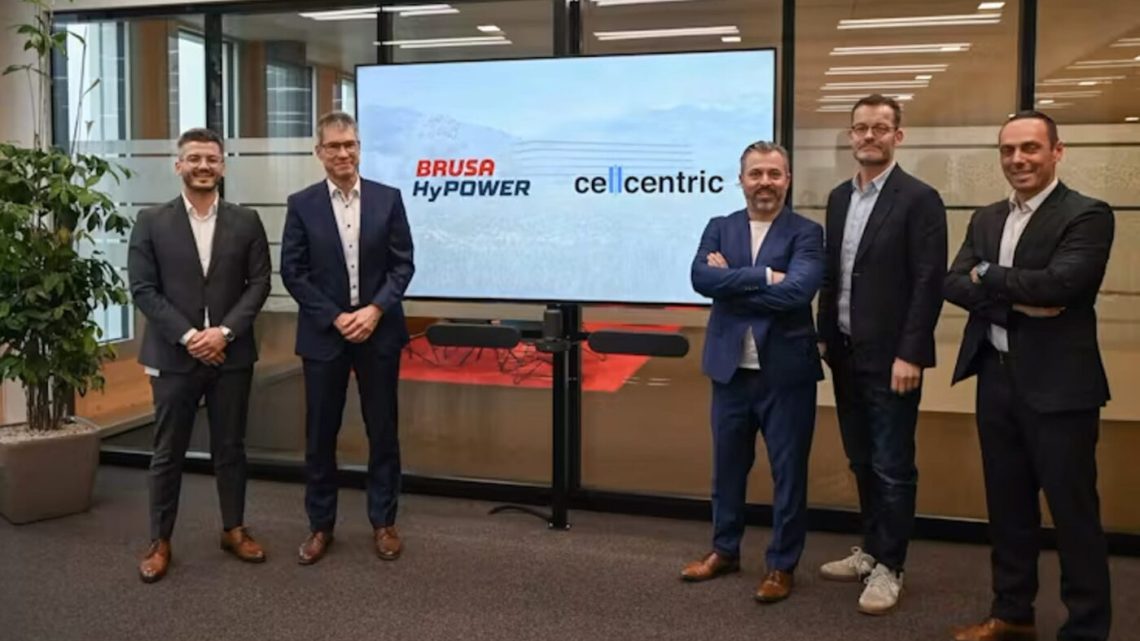
January 27, 2026This month, Cellcentric — the 50:50 JV between Daimler Truck and Volvo Group — took another leap toward rolling out its next-gen fuel cell technology for heavy-duty trucks. Based in Germany, the venture just handed a development deal to Swiss power electronics whiz Brusa HyPower. They’re on the hook to craft the Fuel Cell Interface (FCI), a crucial DC/DC converter that’ll be the backbone of Cellcentric’s upcoming long-haul platform. With pilot runs already humming at Cellcentric’s Baden-Württemberg site and a factory rising in Weilheim an der Teck, this move underscores the growing push to industrialize hydrogen fuel cells for commercial fleets.
These days, hydrogen fuel cells are gaining serious traction as a go-to zero-emission technology, especially where batteries just can’t cut the mustard on range or weight. Heavy-duty trucks—hauling big loads over long distances—really stretch a battery-electric setup. That’s where Cellcentric’s next-gen system comes in: built to crank out serious power over long hauls. The FCI’s job? Smoothing out raw fuel cell voltage into a dependable high-voltage supply for both traction and auxiliary gear, all while keeping things safe and efficient.
Let’s be real: in long-haul logistics, every minute counts, and downtime for refueling eats into tight schedules. Hydrogen can refill in minutes—something even the fastest chargers struggle to match. By locking down a rock-solid FCI now, Cellcentric is laying the tracks for a setup that not only hits performance marks but slots right into existing freight routines, cutting downtime and speeding up buy-in.
Key Takeaways
- Contract award: Brusa HyPower is on board to engineer the Fuel Cell Interface for Cellcentric’s heavy-duty lineup.
- Central role of FCI: This two-way DC/DC converter turns raw stack voltage into the 400–800 V bus that traction motors and electronics run on, keeps tabs on cell health, and ensures galvanic isolation.
- Global supply chain: The deal taps into Brusa’s plants across Europe, North America, and Asia, boosting Cellcentric’s push into growth markets, especially in Asia.
- Series production roadmap: Cellcentric’s eyeing series production by decade’s end, lining up with forecasts that hydrogen trucks will hit cost parity with diesel.
- Cross-technology synergy: Insights from Brusa’s battery-electric converters will speed up FCI validation and shave time off the launch.
- Regulatory alignment: The partners can present a united front to policymakers, advocating for standardized safety rules and incentives for hydrogen fleets.
Technical Overview
The Fuel Cell Interface (FCI) sits at the heart of any fuel cell electric vehicle (FCEV). It’s an advanced, bi-directional DC/DC converter handling:
- Voltage conversion: Boosts the fuel cell stack’s raw output—typically 200–600 V—up to the 400–800 V high-voltage network that drives motors and power electronics.
- Health monitoring: Keeps a constant eye on cell voltage balance, stack temperature, and current flow, feeding data into diagnostics and predictive maintenance routines.
- Galvanic isolation: Creates an electrical firewall, so any hiccups stay locked inside the converter, protecting both vehicle and passengers.
- Auxiliary supply: Powers pumps, blowers, sensors, and control units within the cell stack, optimizing fuel cell technology efficiency.
Right now, early FCI prototypes are tucked inside pilot trucks at Cellcentric’s test track in Baden-Württemberg. These real-world trials let engineers fine-tune thermal management, electromagnetic compatibility, and control algorithms before going full-scale. The data they’re pulling back will guide tweaks in hardware and software, making sure the final product can hit the uptime and reliability yardstick fleet operators demand.
Strategic Implications
By teaming up with Brusa HyPower, Cellcentric is tapping into a partner that’s already nailed mass production of high-performance power electronics. Brusa’s latest DC/DC converters and onboard chargers, launched in 2024, showcase modular designs that serve passenger EVs, commercial trucks, and even stationary energy setups. This partnership delivers a handful of wins:
- Reduced R&D risk: Building on tried-and-true converter architectures and production know-how cuts development time and trims technical surprises.
- Market access: Brusa’s footprint in Europe, North America, and Asia smooths the path for region-specific qualifications and compliance.
- Supply chain resilience: Diversifying suppliers means Cellcentric isn’t left high and dry by single-source hiccups or material shortages.
- Economies of scale: Processes honed on battery-electric converters can be adapted to FCI manufacturing, driving down costs.
- Regulatory synergy: A unified voice in Brussels, Washington, and Asian capitals can shape incentives, certification, and safety standards for the hydrogen infrastructure that’ll support these trucks.
“We’re thrilled to lend our expertise to push Cellcentric’s fuel cell systems forward for climate-neutral transport,” says Holger Fink, CEO of Brusa HyPower. On Cellcentric’s side, Markus Siegel points out that Brusa’s “global reach and innovative edge” are key to hitting ambitious rollout milestones, both in established markets and those just waking up to sustainable energy.
Historical Context
The story of Cellcentric kicks off in 2021, when Daimler Truck and Volvo Group merged their separate fuel cell efforts into one joint venture. Before that, both OEMs had been tinkering with fuel cell prototypes for over 15 years, even clocking demonstration runs north of 1,000 km on a single hydrogen fill. Today, the JV runs pilot assembly in Baden-Württemberg and is raising a dedicated factory in Weilheim an der Teck to crank out fuel cell systems at scale.
Meanwhile, Brusa HyPower spun out of Brusa Elektronik AG in 2021, building on decades of expertise in power conversion. The Brusa Group has a track record in electric powertrain modules and inductive charging—and now it’s pushing into parts for both hydrogen and battery-electric vehicles. This pedigree makes Brusa HyPower a logical go-to for high-volume, precision-engineered components.
Broader Impact
This partnership isn’t just about one JV or one converter—it’s emblematic of a wider shift toward zero-emission technology in heavy transport. With governments worldwide laying down decarbonization goals—from the EU’s Fit for 55 plan to the US Inflation Reduction Act, not to mention national hydrogen strategies across Asia—the demand for robust, high-output fuel cell solutions is on the rise.
- Decarbonized logistics: Fuel cell trucks can rack up hundreds of kilometers on a single fill, slashing CO₂ emissions along major freight routes.
- Infrastructure growth: Tapping into Brusa’s global network helps Cellcentric synchronize the rollout of hydrogen infrastructure in critical regions.
- Technology convergence: Sharing converter and power electronics platforms cuts parts variety, driving down overall costs.
- Cross-sector benefits: Advances in DC/DC converters carry over into backup power, stationary storage, and industrial automation.
In Asia, policy incentives and pilot projects in Japan, South Korea, and China are nudging fleets to try out fuel cell trucks. Having Brusa HyPower’s regional supply chain muscle on board helps speed up approvals, roll out customer demos, and gather crucial feedback from operators dealing with different climates and routes.
Looking Ahead
With the FCI contract locked in, Cellcentric now faces the task of scaling from prototype to production-ready systems. Their goal—series production by the end of the decade—syncs up with industry projections that hydrogen fuel cell trucks will edge toward total cost of ownership parity with diesel as green hydrogen and component prices continue to fall.
A few factors will make or break that timeline: a fast ramp-up of electrolyzer and refueling station networks, cross-industry partnerships to standardize interfaces, and crystal-clear regulations on hydrogen safety and incentives. Early collaboration among OEMs, suppliers, and infrastructure providers is the secret sauce for moving from first customer trials to full-blown fleet deployments.
“The FCI’s performance won’t just be judged on lab specs, but on real-world uptime, maintenance needs, and total cost of ownership over the vehicle’s lifetime,” Cellcentric engineers remind us. Hit those targets, and hydrogen fuel cells could truly break into the mainstream for tough, heavy-duty routes—helping fleets hit emission goals without sacrificing performance.
About Cellcentric
Cellcentric is the joint venture of Daimler Truck and Volvo Group, set up in 2021 to fast-track fuel cell technology for heavy-duty commercial vehicles. Combining over 30 years of R&D know-how, the company runs pilot production in Baden-Württemberg and is building a purpose-built factory in Weilheim an der Teck to serve markets worldwide, driving the shift toward sustainable energy.

 With over 15 years of reporting hydrogen news, we are your premier source for the latest updates and insights in hydrogen and renewable energy.