
Charbone Boosts Hydrogen Production with Atlantic Canada Supply Hub
March 19, 2026Atlantic Canada’s ports and shipyards might look ready to roll, but that doesn’t mean the hydrogen will just show up. Charbone Corporation, fresh off its clean hydrogen plant success in Quebec, is gearing up to expand its hydrogen production network with a new supply facility in the Maritimes. They’re set to pull back the curtain on their plan at the Hydrogen East conference, teasing the launch of the “Atlantic Hub” under their subsidiary, Charbone Nova Scotia Inc., and aiming to kick off operations by mid-next year.
Conference Spotlight
At Hydrogen East, Charbone plans to walk the audience through how this new hub fits into a bigger hub-and-spoke design they’ve perfected between their Sorel-Tracy site in Quebec and markets across North America. While they’re keeping certain contract details and storage numbers close to the vest, the gist is that the Halifax-area hub will serve defense bases, advanced manufacturing lines, energy utilities and zero-emission transport operators from Nova Scotia through PEI. It’s a move that could beef up the region’s hydrogen infrastructure and boost overall resilience.
Building the Atlantic Hub
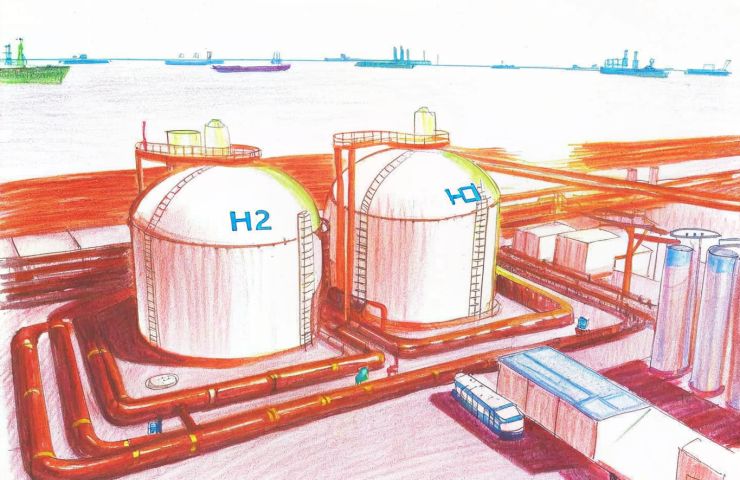
Operated by Charbone Nova Scotia Inc. (a wholly-owned slice of the parent), the Atlantic Hub will handle local hydrogen storage and distribution of ultra-high-purity hydrogen alongside strategic specialty gases. Designed with modularity in mind, the facility aims to cut down on delivery hiccups by positioning product right where heavy users can grab it. By shifting from giant centralized projects to nimble regional outposts, Charbone is betting it can slash downtime and logistics costs for defense, mobility and industrial decarbonization efforts.
Strategic Play
CEO Dave Gagnon sees the Atlantic Hub as way more than just another tank farm. After three years of chatting with port operators, naval yards, utilities and R&D centres in the Maritimes, Charbone has mapped out real-world usage data. That intel feeds a scalable blueprint: hubs tailored to local needs, interlinked with low-carbon transport and dialed in to the exact purity grades industries need for fuel cells and other critical processes. It’s a recipe for a truly adaptive network.
Regional Context
Make no mistake, Atlantic Canada boasts top-notch port infrastructure and naval shipyards, plus a budding clean energy ecosystem. But pipelines and terminals built for oil and gas don’t cut it for hydrogen yet—storage and transfer are still in their infancy. Charbone is stepping in as governments sweeten the deal on clean fuels and ferry operators, freighters and defense contracts ramp up their appetite for zero-emission tech. By tapping into existing corridors, the Atlantic Hub could shave weeks off lead times and make it easier for local operators to take the plunge into green hydrogen.
Progress & Risks
Of course, no rollout is smooth sailing. Charbone flags market swings, shifting policy winds and all the usual execution headaches that come with early-stage hubs. They haven’t laid out every capacity metric or named every partner yet, so folks will be watching to see if mid-next-year holds water. Still, the core concept matches industry calls for robust hydrogen storage to buffer supply and demand jaggedness, especially where big production plants aren’t yet in place.
Comparative Angle
It’s not like Charbone invented the hub idea—several European and North American outfits are chasing smaller, regional nodes. But the rival playbooks often lean on a few gargantuan plants and then truck hydrogen long distances. Charbone’s modular, localized scheme could outflank those setups on cost and delivery speed—if the numbers pencil out. Rolling out from Quebec to the Maritimes is one thing; copying that blueprint country-wide is a whole other beast.
Flagship Reference
The real proof is in their flagship Sorel-Tracy site, where modular units pump out UHP hydrogen via low-carbon methods, serving a roster of industrial clients. While output figures stay private, the plant’s uptime and purity records form the backbone of the Atlantic strategy. If the new Nova Scotia hub can hit the same operational marks, Charbone will have a compelling story for customers who can’t afford even minute interruptions in their processes.
Beyond Hydrogen
Here’s a neat twist: Charbone doesn’t plan to stop at hydrogen. They’re hinting that the Atlantic Hub will juggle specialty gases like helium too. Those markets demand the same spot-on consistency and purity as hydrogen, so loading multiple revenue streams into one site could keep the lights on even if one segment lags. It’s smart risk-hedging that could maximize asset use and smooth out revenue swings.
Analyst Take
Honestly, I’m a bit skeptical that a single hub can iron out all the kinks in hydrogen logistics, but with Sorel-Tracy’s track record, Charbone at least knows how to tackle purity specs and pipeline puzzles. The big question is customer appetite: if utilities, shipyards and defense outfits sign on, this could become a poster child for decentralized sustainable energy. If they don’t, it might end up in the pile of bold but unfulfilled clean fuel pitches.
Looking Ahead
All eyes should be on the Hydrogen East conference for the nitty-gritty: who’s partnering up, the technical fine print and a firm date for first deliveries. Remember, industrial decarbonization depends on reliable hydrogen production and spot-on logistics—two boxes Charbone is aiming to check. Whether the Atlantic Hub turns into a game-changer or just another promise chasing the energy shift, time will tell. Right now, Charbone’s betting that if you build a hub in the Maritimes, customers will beat a path to your door.


 With over 15 years of reporting hydrogen news, we are your premier source for the latest updates and insights in hydrogen and renewable energy.