
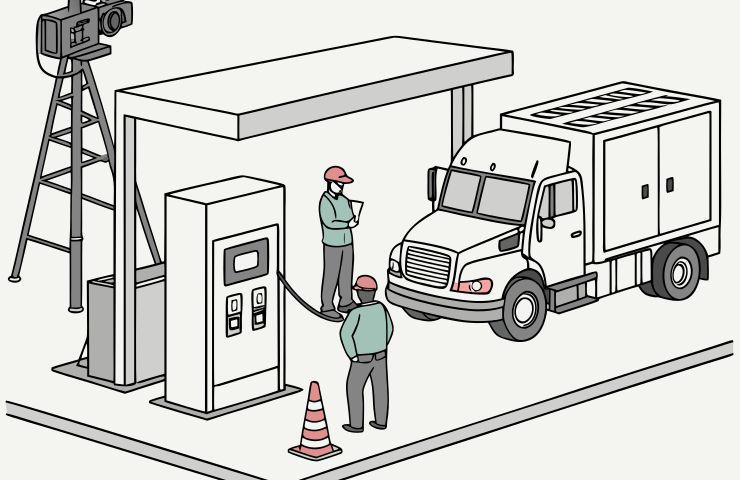
Charbone Supplies Green Hydrogen to Power Ontario Film Sets
January 25, 2026Charbone Corporation, Canada’s only publicly traded producer of Ultra High Purity (UHP) green hydrogen, has just kicked off its first deliveries to film and TV shoots in Ontario. These shipments are fueling an unnamed specialist’s modular fuel cell generators, swapping out noisy diesel gensets for whisper-quiet hydrogen fuel cells. The upshot? Cleaner power, way lower emissions, and logistics that won’t tie your crew in knots on location.
Headquartered in Brossard, Quebec, and trading as TSXV: CH, OTCQB: CHHYF, and FSE: K47, Charbone is busy building a modular network of clean energy hubs—starting with its flagship Sorel-Tracy project. This Ontario rollout marks its first move beyond heavy industry clients into more visible, on-the-go applications powered by UHP green hydrogen.
A Green Shift on Set
Through this partnership, Charbone is piping hydrogen to PEM stacks at venues all over Ontario—from downtown Toronto backlots to remote forest shoots. With fuel cell technology on tap, crews can run lighting rigs, cameras, and climate-control units without choking on diesel fumes or cranking up roaring engines. As Dave Gagnon, CEO and Chairman, says, it “demonstrates the practical application of clean UHP hydrogen for mobile power,” underscoring the promise of real-world performance.
Technical Insights
To keep those PEM stacks humming, the hydrogen must hit 99.999% purity—any tiny impurity can gum up a catalyst and shorten its life. At Charbone’s Sorel-Tracy electrolyzer—central to its hydrogen production—high-voltage current splits water into H2 and O2, venting oxygen harmlessly. Then, tube trailers haul compressed gas at up to 350 bar, and on-site regulators dial it back to the 30–60 bar range that fuel cells prefer.
Once connected, these modular generators convert chemical energy to electricity at around 40–60% efficiency. Even the leftover heat gets recycled to warm production trailers, boosting overall energy use. Safety measures include continuous leak detection, automatic shutoff valves, overpressure protection, and crews trained to CSA standards for compressed gases. Plus, quick-connect fittings and standardized cylinder manifolds let teams swap tanks in minutes—maximizing uptime when the cameras are rolling.
Business and Strategic Angle
Charbone’s entry into film-set power is more than a flashy pilot—it’s a strategic shift from industrial gas sales to high-visibility service contracts. The company recently locked in a US$50 million debt facility to expand its green hydrogen footprint, alongside a CAD 3.1 million equity raise to shore up its balance sheet. On top of that, a US$1 million collaboration deal for a proposed project in Malaysia signals ambition well beyond Sorel-Tracy.
This month also saw Charbone make its first helium deliveries and secure a three-year specialty-gases contract, showcasing how it leverages existing logistics across energy, medical, and semiconductor sectors. Breaking into mobile power could unlock repeat business and cement the case for small, distributed production units right where demand is.
Ontario’s Film Ecosystem
Ontario commands a hefty slice of Canada’s C$9 billion film and TV industry. Dubbed “Hollywood North,” the province draws shoots with tax perks, cutting-edge studios, and everything from urban streetscapes to rural backdrops. Diesel generators have been the go-to for powering remote sites—but they bring headaches: heavy transport, fuel storage, noise bylaws, and exhaust emissions. Hydrogen generators—key players in the clean energy transition—run near-silent and spit out zero tailpipe emissions, dodging much of that red tape.
Policy and Market Context
Canada’s federal hydrogen strategy, launched in 2020, set an ambitious target of 5 million tonnes of low-carbon hydrogen by 2030, backed by funding, carbon pricing, and partnership programs. At the provincial level, Ontario’s climate plan offers incentives for green procurement and renewable adoption in commercial sectors. Film productions that make the switch to green hydrogen could tap supplemental rebates or enhanced tax credits, narrowing the cost gap with diesel.
Looking ahead, carbon border adjustment measures are poised to penalize diesel-heavy operations, making early adoption of hydrogen fuel cells a savvy hedge against future regulatory costs—and a potential way to trim long-term spend.
Comparative Landscape
Around the world, hydrogen has popped up in temporary power roles—from music festivals in Europe to sporting events in Asia—and telecom operators have tested fuel cell technology at remote towers. But few setups demand the reliability, flexibility, and stealth that film shoots require. Charbone’s Ontario demo could set the benchmark for any mobile operation where uptime, logistics, and emissions are equally critical—think outdoor concerts, mining camps, or emergency response bases.
Forward Look
The real test will be the data. Charbone plans to track runtime hours, kilograms of hydrogen per kilowatt-hour, maintenance intervals, and swap-out times during these shoots. If metrics prove total cost of ownership undercuts diesel in real-world conditions, multi-year hydrogen supply agreements could soon follow across Canada.
Moreover, bundling hydrogen production with helium and other specialty gases might unlock distribution synergies—imagine a single truck delivering multiple products on one run, slashing per-unit delivery costs and shrinking the carbon footprint.
By powering Ontario’s film sets with UHP green hydrogen, Charbone isn’t just running a pilot—it’s staking a claim that hydrogen production and fuel cell technology are ready for prime time, even under Hollywood’s tight deadlines. We’ll be watching to see how this use case scales—and who else jumps on the mobile, zero-emission bandwagon.

 With over 15 years of reporting hydrogen news, we are your premier source for the latest updates and insights in hydrogen and renewable energy.