Clean Ammonia Combustion Milestone Achieved by IHI and GE Vernova
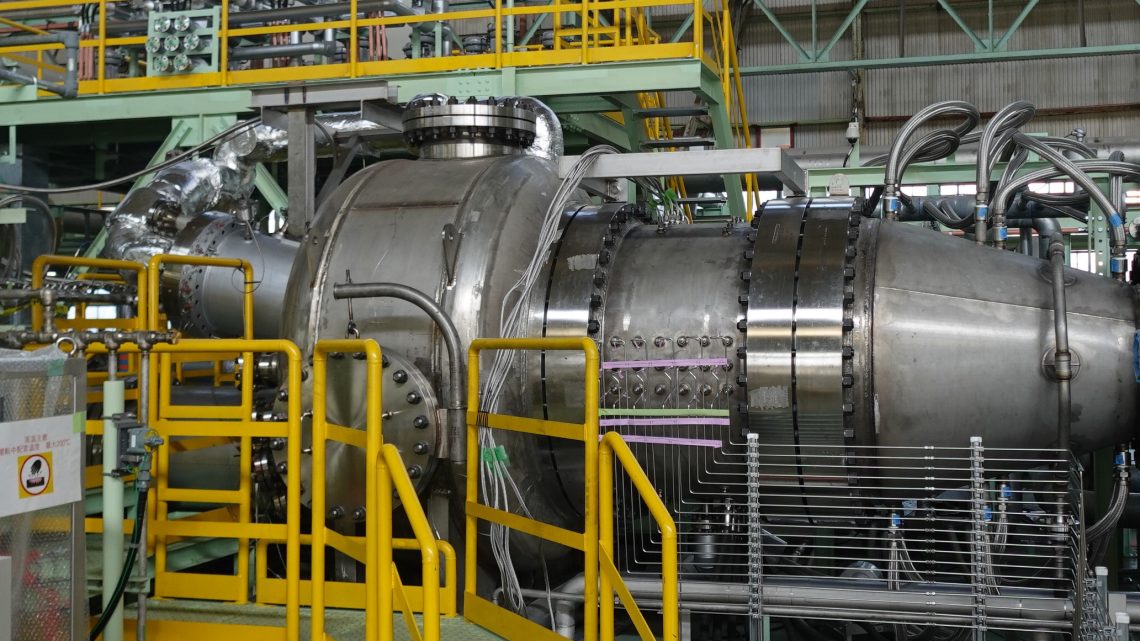
March 23, 2026This March, IHI Corporation and GE Vernova pulled off something huge in zero-emission technology. At IHI’s brand-new Large-Scale Combustion Test (LCT) Facility in Aioi, Hyogo, engineers cranked up a full-scale combustor running on 100% clean ammonia and kept it rock-solid under pressures, temperatures and flow rates that mimic full-load conditions. This demo builds on their Joint Development Agreement from January 2024 and paves a clear path to commercial deployment by 2030.
Strategic Partnership and Market Impact
This strategic partnership marries IHI’s knack for ammonia combustion—first proven in its 2 MW-class IM270 turbine back in 2022—with GE Vernova’s heavyweight F-class gas turbines. Since spinning off in 2024, GE Vernova’s machines have racked up more than 8.5 million hours running on hydrogen blends, proving they can walk the walk. Together, they’re set to shake up the market in a few big ways:
- Industrial decarbonization: Burning 100% clean ammonia wipes out CO₂ emissions at the plant, helping operators hit net-zero targets.
- Asset optimization: You can retrofit existing 6F.03, 7F and 9F turbines instead of building from scratch—saving time and capital.
- Dispatchable zero-carbon power: Ammonia’s hydrogen density and global shipping network mean long-duration storage and transport are no sweat.
Technical Snapshot
At the heart of this innovation is a two-stage ammonia combustion system. In stage one, a fuel-rich mix partially oxidizes the ammonia in low-oxygen conditions to keep NOₓ formation in check. Stage two brings in extra air for a clean, complete burn and prevents any unburned ammonia from slipping through. In Aioi, tests matched F-class pressures, temperatures and flow profiles, showing steady operation across full-load conditions.
Historical Context
It’s been quite the journey to this point. Back in 2022, IHI slashed greenhouse-gas emissions by over 99% in its IM270 turbine. Meanwhile, GE Vernova’s hydrogen story includes 7HA and LM6000 models running on hefty hydrogen blends. Their January 2024 JDA essentially synced both roadmaps, fast-tracking a real-world, industrial-scale push for ammonia firing.
Collateral Impacts and Policy Support
Japan’s New Energy and Industrial Technology Development Organization (NEDO) chipped in funding, underlining strong government backing for low-carbon combustion. This project also sends a clear signal to ammonia producers and shipping operators: existing infrastructure can pivot to boost zero-emission power. Around the globe, researchers are exploring catalytic ammonia cracking, and Europe’s 50% co-firing pilots are showing ammonia’s growing role in industrial decarbonization.
Challenges and Next Steps
- NOₓ management: Final emission levels from March’s tests are still under review.
- Commercial timeline: Hitting 2030 is the dream, but more prototypes and regulatory thumbs-up will shape the actual rollout.
- Scaling up: Going from a demo unit to hundreds-of-megawatt installations means tightening up supply chains, ramping up manufacturing and getting certifications in hand.
Key Takeaways
- First full-scale test of 100% ammonia firing under F-class conditions.
- Ammonia could become a cornerstone of dispatchable, zero-emission technology alongside hydrogen and CCS.
- Upgrading existing turbine fleets reduces the risk of stranded assets.
- Government support and industry synergies highlight a unified approach to industrial decarbonization.
- Ongoing trials at the Aioi LCT Facility will keep fine-tuning combustor design and emissions control.
Industry Outlook
Achieving stable 100% ammonia combustion in real-world F-class conditions is a true inflection point for gas-fired power. Market watchers will be eyeing 2028–29 for the first commercial-scale units to see how lifecycle costs, performance and regulations line up in hot spots like Japan, Europe and the Middle East. For utilities and investors, the ability to retrofit proven F-class turbines with ammonia-capable combustors fits squarely into the broader move to sustainable energy and offers a lower-risk bridge to a zero-carbon future.
About the Companies
IHI Corporation, founded in 1853, is a Japanese heavy industry group specializing in resource, energy and environment solutions, including gas turbines and ammonia combustion technologies. GE Vernova Inc., spun off from GE in 2024 (NYSE: GEV), focuses on gas turbines, carbon solutions and decarbonization, having logged over 8.5 million operating hours on hydrogen blends.


 With over 15 years of reporting hydrogen news, we are your premier source for the latest updates and insights in hydrogen and renewable energy.