Clean Hydrogen News: Geopolitical Risks Could Undermine Global Supply Chains
A new RIFS Potsdam study warns that global clean hydrogen strategies often assume stable trade ties, neglecting geopolitical risks that could disrupt emerging infrastructure and derail decarbonization plans.
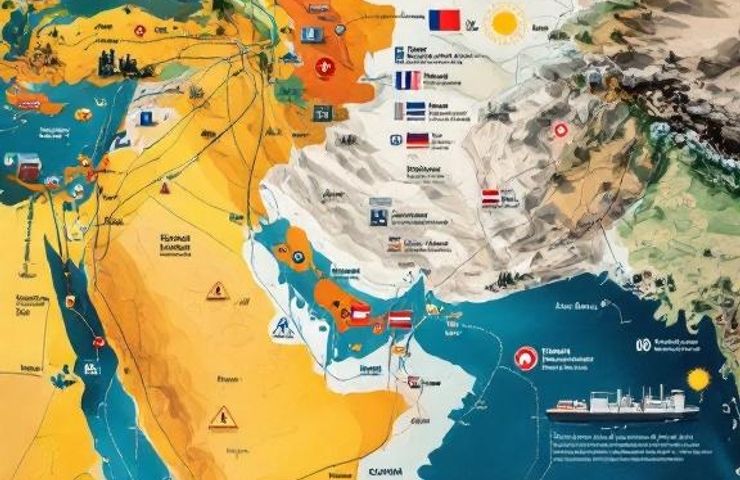
In the latest clean hydrogen news, there's a pretty eye-opening study from the Research Institute for Sustainability Helmholtz Centre Potsdam (RIFS Potsdam) that raises some serious red flags about the plans being laid down for hydrogen infrastructure. Basically, it warns that a lot of these ambitious blueprints are built on some pretty shaky geopolitical assumptions. As countries aim to import hydrogen to help decarbonize heavy industries, the report points out that ongoing conflicts, sanctions, and ever-shifting political alliances could really throw a wrench into hydrogen production methods and long-distance trade flows. This, in turn, could derail trillions of dollars in investments and put climate goals at risk.
Built on Shifting Assumptions
This study, which made its debut in Nature Reviews Clean Technology, takes a hard look at numerous national and corporate hydrogen roadmaps that assume a smooth sailing global trade scenario. Many of these plans rely on importing green hydrogen from large-scale electrolysis setups located in sunny and wind-rich areas. However, the risks linked to geopolitical issues? They're often downplayed. Drawing from recent gas supply disruptions and oil embargoes, the research argues that it's naive to think that stable export partnerships will hold up. Rapid policy changes, sanctions, or diplomatic rifts could shatter those markets overnight. It echoes earlier concerns from the EWI Köln report and a study by the Belfer Center, which noted some striking similarities between hydrogen dependencies and the historical toll of oil market dynamics.
Lessons from an Energy Past
The tale of hydrogen and its role in geopolitics has evolved significantly over the last hundred years. What started off as a simple component for ammonia production through the Haber-Bosch process only gained traction as a key energy player when climate commitments kicked off a shift around the 2010s. Back then, the EU had ambitious visions of cranking out 40 gigawatts of electrolyzers by 2030, and Germany's National Hydrogen Strategy aimed at setting targets for both domestic and imported hydrogen to decarbonize steel and chemicals. However, looking at the current state of world affairs, with the war in Ukraine and rising tensions in the Middle East, we've already seen natural gas buyers scrambling for alternatives. This sets a precedent for what trade disruptions in hydrogen could look like.
From Electrolysis to Large-Scale Trade
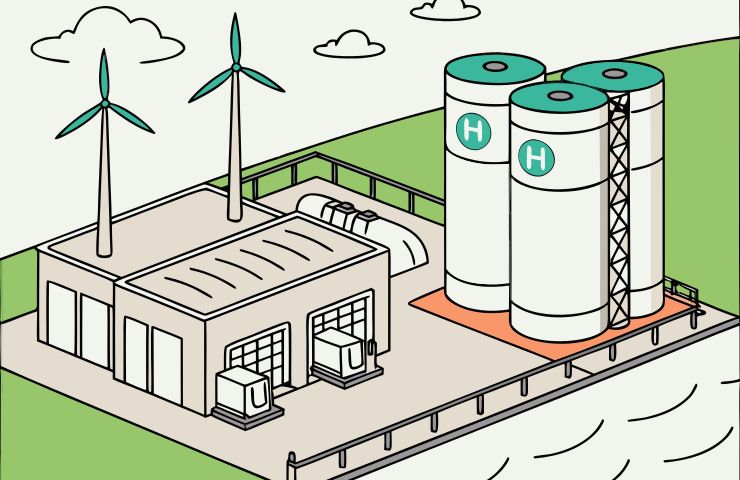
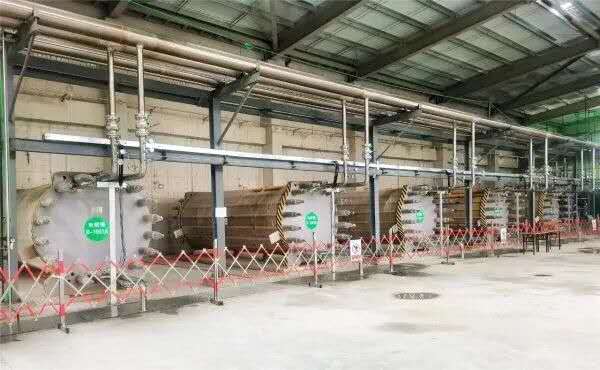
Most of the frameworks we see today lean heavily on green hydrogen production through renewable-powered electrolysis. This is absolutely critical for cutting emissions in sectors like steel and chemicals, which are notoriously tough to decarbonize. Technology costs have come down, thanks to economies of scale and innovations in materials, but moving from small megawatt pilot projects to the massive multi-gigawatt plans that the EU and Germany are dreaming about requires some serious infrastructure. We need everything from specialized shipping terminals for liquefied hydrogen to high-pressure pipelines and buffer tanks. Building all these assets takes time, complex engineering, and a lot of cash, making them quite vulnerable if the planned supply agreements fall through. By integrating modular electrolyzers and enhancing grid systems, countries could have more flexibility to adjust to changing supply conditions, but that also complicates project planning.
Supply Chains in a Volatile World
Let's face it: geopolitics has messed with energy markets for decades, and it often gets overlooked as the clean energy transition rolls on. The report highlights that the conflicts we've seen in Eastern Europe and the Middle East show just how quickly export channels and financial relationships can fall apart. Key routes—like those running through the Suez Canal, Mediterranean pipelines, or even repurposed LNG terminals—could easily become chokepoints if transit agreements go south or sanctions hit. And as European countries eye importing millions of tonnes of hydrogen each year, they’re opening themselves up to potential bottlenecks, export restrictions, and shifting alliances. It’s a lot like the oil crises of the past, but this time it’s happening in a low-carbon economy.
Environmental and Economic Crosswinds
The geopolitical risks only add to the existing environmental and economic challenges facing the hydrogen sector. For example, blue hydrogen approaches carry the risk of methane leaks, and the significant water usage required for electrolysis could drain resources in regions that don't have much to spare. On top of that, price swings could become even more pronounced if carbon border adjustment measures start penalizing high-emission supply routes, nudging importers towards pricier green hydrogen. And local communities often aren’t thrilled about new infrastructure like ports, pipelines, and storage sites, leading to delays that might scare off investors. We really need to weave in environmental safeguards and engage with communities during the planning stages to help ease some of these bumps along the road.
Strategies for Importers and Exporters
So, what can we do about these uncertainties? RIFS Potsdam recommends that project designers get savvy about political risks at every stage of their planning. Importers should keep the following strategies in mind:
- Diversify supply sources by having multiple countries in the mix to lessen reliance on a single source;
- Create flexible infrastructure that can adapt to different hydrogen carriers—whether that's ammonia or liquid hydrogen—so you don't have to jump through hoops in a pinch;
- Establish strategic reserves and onshore hydrogen storage to cushion against short-term shocks;
- Secure solid off-take agreements that include clauses for force majeure and price adjustments.
Exporters in places like North Africa, Australia, and the Gulf can seize this opportunity by fostering regional partnerships, promoting transparent regulations, and building up local value chains to secure consistent revenues and community gains. Shared risk strategies, like joint ventures or political risk insurance, could help smooth out investment flows and build greater resilience.
A Strategic Angle on Market Dynamics
If we brush aside these geopolitical factors, we're running the risk of pushing costs up, ending up with stranded assets, and delaying our decarbonization efforts. Europe’s plans for hydrogen imports—like those supported by the EU’s hydrogen bank—might just face price hikes or supply hiccups if the access to key resources, shipping routes, or export permits isn't guaranteed. While the EU plans to de-risk some early-stage projects, they might also need to consider political risk premiums within their financial models. Similarly, carbon border adjustments could further fragment markets unless they allow for some flexibility in criteria for clean energy contracts, finding the sweet spot between environmental goals and supply security.
Long-Term Implications
Looking to the future, global hydrogen trade could really shake up alliances and power structures. Producers might gain influence reminiscent of the old oil cartels, and countries exporting hydrogen could wield significant ‘hydrogen leverage’, while major importers might form diplomatic coalitions focused on clean energy access. Meanwhile, rising geopolitical tensions could drive investments in domestic onshore green hydrogen hubs, prompting governments to ramp up their electrolysis capacity and onshore storage capabilities to lessen reliance on foreign sources. The study sends a clear message: we need to incorporate geopolitical realities into our planning or risk recreating the dependencies that low-carbon tech aims to eliminate, jeopardizing our paths to net-zero.
Looking Ahead
The insights from RIFS Potsdam come at a crucial time for the hydrogen energy news community. It’s clear that having the technical know-how is just part of the equation; blending innovation in hydrogen infrastructure, storage solutions, and diversified supply chains with solid risk assessment practices will be vital to build resilience in these emerging markets. If we don’t take these steps, we could see hydrogen's promise as a sustainable energy option sidelined by the very instabilities it aims to address, which would put our climate targets and economic ambitions at serious risk.