Clean Hydrogen News: South Korea Launches 1.43 TWh Hydrogen Power Auctions with Clean and General Tracks
June 15, 2026South Korea is shaking things up with its hydrogen energy approach by rolling out some new auctions that offer a whopping 1.43 TWh of power generated from hydrogen, all under long-term contracts. They’ve set aside 500 GWh exclusively for truly low-carbon hydrogen sources, while 930 GWh can tap into a wider range of hydrogen options. Instead of just cranking up the numbers, the regulators are focusing on cleaner fueling methods, tightening up eligibility rules, and even ditching coal-ammonia blending from the premium category. This auction really feels like a key move in South Korea’s journey toward decarbonizing its industries and securing sustainable energy.
A Two-Track Auction Structure
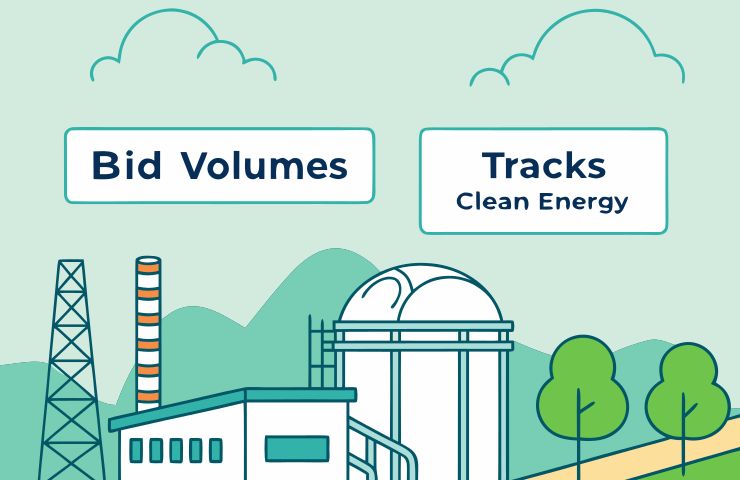
This new tender introduces two distinct paths. The first one, called the clean hydrogen power track, sets aside 500 GWh specifically for hydrogen-generated power that meets the stringent clean hydrogen certification standards laid out by the government. Projects landing in this category score higher on greenhouse gas intensity, giving a leg up to green hydrogen production and top-notch electrolysis or fuel cell technologies. On the flip side, there’s the general hydrogen track, which accommodates a wider variety of fuels—including grey hydrogen or more high-emission inputs—though they won’t quite enjoy the same level of policy perks. By dividing these volumes, the Ministry of Climate, Energy and Environment clearly signals that higher-emission paths are going to have a tougher road ahead.
Policy Evolution and Regulatory Tightening
South Korea’s hydrogen auctions have roots in major legislation aimed at kickstarting a national hydrogen economy. It all began with the first clean hydrogen power bidding market back in 2024, thanks to the Hydrogen Economy Promotion and Hydrogen Safety Management Act. Initially, the volumes surged, giving everything a great boost. But as the market matured, worries about high premiums compared to wholesale electric prices emerged and brought about a bit of a reconsideration. In this latest round, the Ministry of Climate, Energy and Environment trimmed overall volumes by about 30%, and Korea Power Exchange rolled out stricter eligibility rules. One of the biggest changes? Coal-ammonia co-firing has been kicked out of the clean track to prevent greenwashing and ensure real reductions in emissions.
Market and Financing Implications
So, what does all this mean for developers and investors? The revamped auction design shifts both risks and opportunities. Those solid clean hydrogen offtake agreements can really support project financing by locking in steady revenue streams, but with reduced volumes, competition is getting fierce. Companies that have strong supply chains for certified green hydrogen and proven fuel cell tech are likely to come out on top. However, those relying on grey hydrogen or untested ammonia carriers might find it tough to secure funding amidst uncertainty over future tender volumes.
There have been some concerns raised about bid premiums reflecting the higher costs of low-carbon hydrogen production. Even though the costs of fuel cell equipment are going down and there’s room for improvements in economies of scale, the average weighted price still sits above typical wholesale energy rates. By fine-tuning these auction volumes, regulators aim to find a sweet spot between pushing for hydrogen infrastructure growth and keeping an eye on the budget, trying to avoid a scenario where supply overshoots and drags premiums even higher.
Technology Pathways Under the Spotlight
The design of this tender really brings some important implications for which technologies will stand out and who gets to play the game. We’re looking at pure hydrogen turbines and fuel cells running on certified green hydrogen targeting that clean track. These systems are highly efficient and can deliver on demand, which pairs nicely with variable renewables—especially as developers are getting into advanced hydrogen storage methods to help smooth out supply. On the other hand, the general track might open the doors to proposals using ammonia blending techniques, even though they’re facing scrutiny regarding their carbon footprint.
While ammonia makes for a handy hydrogen carrier, co-firing it with coal or gas can keep lifecycle emissions on the higher side. The latest decision to exclude coal-ammonia co-firing from the clean market tightens the options for those pathways, leaving just gas-ammonia blends and pure hydrogen in the mix for the premium contracts. This evolution highlights the urgency for investment in electrolysis capacity and emphasizes the growing importance of green hydrogen production over more carbon-heavy alternatives.
Environmental and Industrial Context
With South Korea’s centralized electricity system and heavy industrial base, it’s really capitalizing on state-led procurement strategies to push for decarbonization. These hydrogen power auctions perfectly align with broader efforts to cut back on coal and LNG dependency, bring zero-emission technologies into the mix for baseline energy supplies, and position local equipment manufacturers to compete worldwide in fuel cell technology. From a greenhouse gas standpoint, giving contracts only to genuinely low-carbon hydrogen producers could help shrink the power sector’s carbon footprint and spur the rollout of domestic electrolysis, which in turn benefits hydrogen storage, transport, and distribution networks.
At the same time, keeping a general hydrogen category acknowledges the transitional phase we’re in: some existing facilities and supply chains still need time to catch up. By slowly reducing that track, officials are trying to manage industrial shifts without sudden market disruptions, giving businesses enough time to retrofit plants or find cleaner feedstocks.
Looking Ahead
Even though this auction still allows some wiggle room for higher-emission hydrogen pathways, it strongly leans toward supporting cleaner supply chains. Market watchers predict that future rounds will likely see the general hydrogen allocation shrink even more, while the volumes for clean hydrogen could stabilize or even expand if green hydrogen production ramp-ups happen. This latest tender serves as a crucial turning point: hydrogen is no longer just a hopeful box-check in South Korea’s decarbonization toolkit; it’s being recognized as a strategic asset—provided it meets the benchmarks for real emissions reductions.
As investors and developers digest these revised volumes and tightened regulations, this auction will really test if South Korea can turn its policy vision into solid, bankable projects that build out a robust hydrogen infrastructure and pave the way for a cleaner energy mix. If they pull it off, it could offer valuable lessons for other countries eyeing hydrogen project financing, clean hydrogen offtake agreements, and market-driven solutions for decarbonization.

 With over 15 years of reporting hydrogen news, we are your premier source for the latest updates and insights in hydrogen and renewable energy.