Clean Hydrogen News: Uniper’s 890 MW Hydrogen-Ready CCGT Approved in Hesse
Uniper’s Staudinger Unit 8, an 890 MW hydrogen-ready CCGT, has secured preliminary approval from the Darmstadt Regional Authority, marking a significant step toward flexible, low-carbon power and green hydrogen integration.
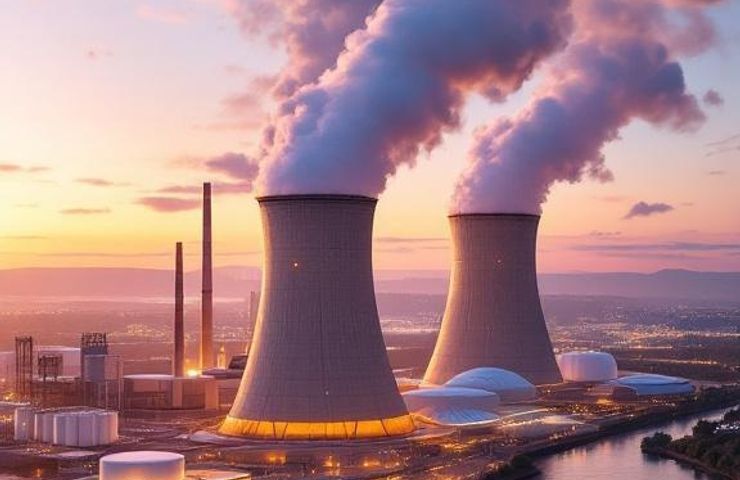
So, what if the next step in Germany’s energy revolution isn’t just about spinning up more wind turbines or expanding solar farms? What if it’s about transforming an existing powerhouse to harness the potential of green hydrogen? Well, that’s exactly what Uniper SE is aiming for. They just got the green light from the Darmstadt Regional Authority to build an 890 MW hydrogen-ready combined cycle gas turbine (CCGT) at their Staudinger power station near Großkrotzenburg in Hesse. This isn’t just a big deal; it’s paving the way for a plant that’s set to connect today’s renewable power landscape with the future of hydrogen energy.
Bridging Renewables and Reliable Power
Germany’s grid is facing quite a challenge as the amount of renewable energy, mainly from wind and solar, has surged past 100 GW. It’s a bit of a rollercoaster ride, with operators needing flexible generators to step in whenever the supply dips. That’s where Staudinger Unit 8 comes into play. Designed to start up in a flash, this unit can hit full capacity way quicker than any coal setup out there. For now, it’ll run on natural gas, but it’s geared up to handle sudden shifts in wind energy or those evening declines in solar power, without leaning solely on batteries. Plus, once they start blending hydrogen into the mix—up to 50 percent initially—it dramatically cuts down on CO₂ emissions compared to traditional gas plants. In other words, it’s a game-changer for grid reliability, working together with energy storage solutions and renewable farms to keep everything balanced.
From Natural Gas to Green Hydrogen
What really makes Unit 8 stand out is its plan for a smooth transition. Sure, natural gas will be the go-to fuel at first, but the turbine is designed with dry low-NOx burners and specialized seals that allow for that hydrogen blending right from the start, with a goal of shifting to 100 percent hydrogen by the middle of the century. This step-by-step approach aligns perfectly with Germany’s national hydrogen strategy, which is all about building a network of electrolyzers, import terminals, and storage caverns to deliver both blue and green hydrogen to industrial areas. Locally, existing gas pipelines along the Main River can easily morph into dedicated hydrogen routes, connecting with proposed salt caverns for storage. It’s a bold move towards solidifying the region’s hydrogen infrastructure, potentially turning this site into a showcase for clean energy innovation.
Technical Snapshot
At the heart of a CCGT is a high-efficiency gas turbine linked to a heat recovery steam generator (HRSG). For Unit 8, they’re eyeing a thermal efficiency of around 60 percent—way ahead of what you’d see in typical coal plants. As they shift turbine blades and combustion chambers to work with hydrogen blends, those harmful CO₂ emissions are set to drop significantly, fitting snugly with zero-emission technology goals. One of the key innovations here is in the advanced combustion control systems that maintain flame temperature while minimizing NOₓ emissions. The reinforced materials are designed to handle hydrogen without issues like embrittlement. After all that, the exhaust steam powers a steam turbine before being cooled in river-fed circuits—something that has received a nod of approval from the regional regulator for its minimal environmental impact. Toss in an on-site substation and the chance to integrate battery storage and data center loads, and Unit 8 is shaping up to be a stellar example of modern power plant design.
Business & Policy Context
Uniper’s move comes at a crucial time. The federal government is calling for about 12 GW of new gas-fired capacity, which all needs to be hydrogen-capable by 2045. This initiative is all about encouraging projects that can eventually switch fuels and support green hydrogen production, all while pushing towards the EU’s carbon neutrality goals. With their background as a state-owned company post-last winter’s energy crisis, Uniper is fast-tracking its hydrogen strategy to snag contracts that promise stable revenue starting in 2027, providing a buffer against those unpredictable power and gas prices. The modular design of the plant also allows for gradual investments, helping manage upfront capital risks—something crucial in hydrogen project financing.
Of course, environmental groups are raising eyebrows, cautioning that adding new gas plants might extend our reliance on fossil fuels. But Uniper argues that transitioning existing thermal facilities is a pragmatic solution. By swapping out outdated coal units for a hydrogen-ready CCGT, they could chop annual CO₂ emissions by 17 million tonnes compared to outright reliance on gas—an assertion backed up by independent analyses. Moreover, with the EU giving a thumbs-up to Germany’s hydrogen roadmap, it’s clear there’s strong political backing for balancing supply security with emissions reduction, underscoring Staudinger’s role in this evolving energy mix.
Local Impact and Next Steps
The Staudinger power station is right in Großkrotzenburg, an industrial area not far from Frankfurt, home to around 6.3 million people. Historically hooked on coal, the site has seen its old units bow out, making way for cutting-edge facilities. The construction of Unit 8 is set to create hundreds of jobs—think engineering, site prep, and turbine installation, not to mention specialized positions for hydrogen storage and overall plant operations. Residents can look forward to even more developments: there are talks of adding battery arrays to balance the grid, and maybe even campus-style data centers that could utilize the plant’s waste heat—positioning this area as a potential hub for green data centers.
On the administrative side, the next steps involve securing subsurface permits and environmental clearances, all under the watchful eye of the Darmstadt Authority. With the preliminary approval in hand, full construction permits could be on the way in just a few months, and they’re aiming to break ground by mid-2027. Meanwhile, Uniper's nearby power-to-gas pilot project is likely to offer valuable insights into large-scale hydrogen production methods and best practices for storage right at the site.
About Uniper
Uniper SE is energy powerhouse based in Düsseldorf, operating in over 40 countries with around 13,000 employees. Founded as a spin-off from E.ON in 2016 and nationalized in 2022, this firm focuses on power generation, gas trading, and diving into emerging low-carbon technologies like hydrogen production and storage. With a diverse portfolio of gas, hydro, and renewables, Uniper is all about decarbonizing its operations while helping Europe’s transition towards a sustainable and secure energy system.
All in all, Unit 8 at Staudinger represents a significant milestone in Germany’s shift towards a hydrogen economy. By pairing dispatchable power capabilities with a clear trajectory toward green hydrogen, Uniper is showing how legacy energy sites can morph into clean energy hubs, balancing today’s energy needs with tomorrow’s ambitions for zero-emission technology.