
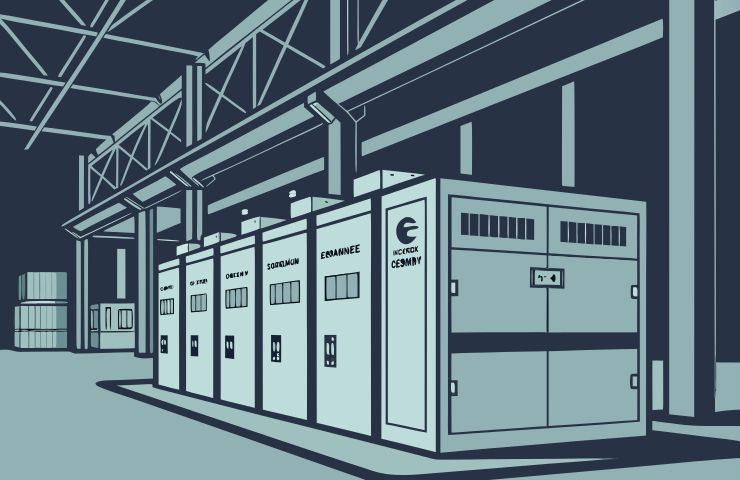
Cummins Leaves Electrolyzer Market, Halts New Projects
February 9, 2026You might not have seen it coming, but Cummins Inc. has just raised eyebrows in the electrolyzer market by hitting the brakes on new projects under Cummins Accelera, its dedicated zero-emissions division. Rather than pushing forward with fresh green hydrogen installations, they’re absorbing a hefty $458 million write-down this quarter to cover the costs of backing out. It’s a surprising pivot, especially after Cummins snapped up Hydrogenics in 2019, set lofty 2025 revenue targets, and banked on federal tax incentives from the Inflation Reduction Act. But the reality of rising costs, slower demand, and evolving policy has forced them to rethink their game plan for hydrogen.
How electrolyzers work and why they matter
At the core of any green hydrogen project are electrolyzers, the magic boxes that split water into hydrogen and oxygen using electricity. You’ve got two main types—proton exchange membrane (PEM) units and alkaline electrolyzers. With PEM, protons squeeze through a thin, specialized membrane toward the cathode, where they combine into pure hydrogen gas, leaving oxygen behind at the anode. Alkaline systems, by contrast, swim in a liquid alkaline solution that carries ions back and forth. The endgame? Crisp, clean hydrogen that can be stored or piped to heavy-duty trucks, steel mills, marine vessels, or even power plants—basically any application where batteries alone don’t quite cut it.
What makes these systems truly zero-emissions isn’t just the split process itself but the power source running the show. When you feed electrolyzers with low-cost renewable electricity—via wind, solar, or hydropower—you end up with hydrogen that carries almost no carbon baggage. Sure, production costs have fallen as equipment scales up, but without mass deployment and stable incentives, price tags remain a hurdle. That’s why the health of the electrolyzer market is so crucial—it’s the linchpin for decarbonizing hard-to-electrify corners of industry and transport.
A brief hydrogen history at Cummins
Cummins’ adventure in the hydrogen sector kicked off in 2019 with the acquisition of Hydrogenics, instantly boosting its electrolyzer and fuel-cell capabilities. By 2022, the company had ramped up production in Minnesota, even tapping federal tax credits under the Inflation Reduction Act to sweeten the deal. Then, in 2024, they rolled everything under the Cummins Accelera banner and made headlines with a high-profile visit from administration officials eager to showcase U.S. green tech leadership.
Back then, the goal was ambitious: push over 500 electrolyzer systems into service worldwide and hit roughly $400 million in annual revenue by the mid-2020s—all while proving hydrogen could be more than a niche fuel. That narrative helped spur investor excitement and industry chatter, painting Cummins as a clear contender in the quest for large-scale hydrogen rollout.
Why is Cummins stepping away?
But late last year, Cummins paused to take stock of its electrolyzer pipeline, pointing to a bleaker demand outlook and fading incentive programs in key markets. CEO Jennifer Rumsey explained that cuts to government subsidies and rollbacks on climate policies had undercut the business case for many planned projects. With project timelines slipping and equipment costs climbing, the math simply didn’t add up. Here’s what tipped the scales:
- Sluggish conditions in the electrolyzer market, with orders stalling as offtake uncertainty climbed.
- Demand for green hydrogen facilities falling short of earlier forecasts, especially in heavy industry.
- Patchy federal and state incentive programs, making long-term planning tough.
- Pressure to free up capital and funnel it back into higher-margin, core engine and power-system businesses.
By stepping back from new hydrogen projects, Cummins can redirect engineering talent and budget dollars toward areas with clearer near-term payback—think tweaks to diesel and natural-gas engine lines, hybrid-system rollouts, or beefing up electrical components. Meanwhile, project teams will pivot to keep existing hydrogen installations humming and scout alternative zero-emissions paths like biofuel-ready engines or fuel-cell trucks.
What does this mean for the hydrogen sector?
When a heavyweight like Cummins steps back, it sends a jolt through the broader hydrogen sector. After the Inflation Reduction Act opened the floodgates with juicy tax credits for low-carbon hydrogen, many players scrambled to scale up. Cummins itself was eyeing about $400 million in electrolyzer revenue by 2025, with over 500 units in the field. Now, with new sales on hold, there’s a real question mark over U.S. leadership—especially while rivals in China keep charging ahead under generous state backing.
In China, aggressive subsidies and gigascale manufacturing have driven rapid electrolyzer deployments, sparking concerns that U.S. suppliers could lose ground. At home, project pipelines have cooled as offtake agreements move slower and major industrial stakeholders adopt a wait-and-see stance. Industry analysts warn Cummins’ retreat could be a near-term setback for green hydrogen ambitions unless policy support revives or private-sector demand finally kicks into gear.
Cummins’ strategic refocus
That said, Cummins isn’t abandoning its decarbonization goals—it’s simply sharpening its focus on opportunities with faster payback and stronger market traction. Even with the $458 million write-down weighing on results, Cummins Accelera still posted about 31% sales growth, hitting roughly $131 million this quarter. At the same time, other business lines are faring differently:
- Engine sales dipped 4% to $2.6 billion amid a softer heavy-duty truck market.
- Components revenue fell 7% to $2.4 billion, squeezed by global supply-chain snarls.
- Distribution sales climbed 7% to $3.3 billion, buoyed by steady parts and service demand.
- Power systems revenue jumped 11% to $1.9 billion, thanks to strong data-center generator orders.
Beyond the numbers, Cummins is doubling down on targeted acquisitions to keep its zero-emissions roadmap alive. It’s taken a strategic stake in hybrid powertrain specialist First Mode and secured rights to multi-fuel engine technology through HELM platforms, which can burn hydrogen, biogas, or even ammonia. These moves signal a more diversified approach to decarbonization, merging proven engines with emerging low-carbon fuels.
Looking ahead
So, what’s next for Cummins and the electrolyzer market? The company is forecasting modest revenue growth of 3–8% in the coming year, aiming for EBITDA margins around 17–18%. They’re counting on a rebound in heavy-duty truck sales and continued strength in data-center backup power. For Cummins Accelera, the strategy shifts from chasing new electrolyzer orders to maximizing uptime on existing installations and exploring other zero-emissions technologies with clearer near-term returns.
The broader outlook for green hydrogen hinges on a few key factors. We need fresh policy incentives—think long-term subsidy certainty and off-take agreements—to reignite demand. Electrolyzer manufacturing costs have fallen as scale improves, but they remain a headwind without stable support. Material supply-chain glitches, especially around catalysts and membranes, could resurface if sourcing isn’t ironed out. On the flip side, plunging renewable power prices and new offtake deals in shipping and industrial hubs might just breathe new life into the market.
Watching Cummins recalibrate its clean-energy strategy is a reminder that the road to net-zero is anything but straight. Players across the value chain will need to roll with changing market winds, tech breakthroughs, and policy shifts. If the U.S. wants to reclaim its spot at the front of the pack, it may take fresh incentives or stronger public-private partnerships. Until then, Cummins’ pivot serves as a vivid lesson: resilience often means knowing when to accelerate—and when to take a step back, reassess, and forge a smarter path forward.

 With over 15 years of reporting hydrogen news, we are your premier source for the latest updates and insights in hydrogen and renewable energy.