Delay in Hydrogen Fuel Cell Truck Launch Highlights Infrastructure and Demand Hurdles
Isuzu and Honda have delayed their large hydrogen fuel cell truck launch by about three years, citing infrastructure, demand, and technical challenges, and underscoring the need to align technology, policy, and market readiness for heavy-duty zero-emission transport.
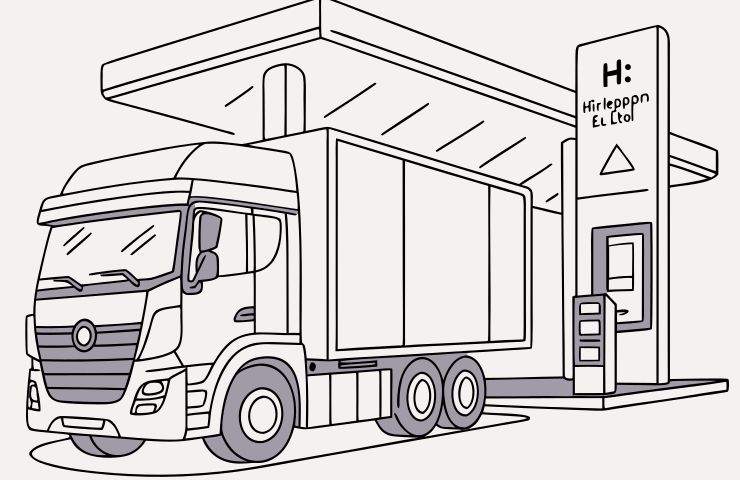
You’ve probably heard that earlier this month, Isuzu Motors Limited and Honda Motor Co., Ltd. decided to hit the pause button on the roll-out of their joint large hydrogen fuel cell truck. What was planned for 2027 is now more like 2030—and that three-year wait really highlights just how tricky building out the hydrogen infrastructure and advancing fuel cell technology can be. This truck was supposed to be the crown jewel of Japan’s push to weave hydrogen production, storage, and use across the board.
Both automakers have been busy running demo fleets, putting Honda’s fuel cell system through its paces in everyday delivery routes and long hauls. They’ve been tracking everything from refuel times and maintenance hiccups to the nitty-gritty of operational costs. But they’re waving red flags over two big issues: not enough refueling spots and customers still not quite ready to take the plunge. They’ve even been talking to energy suppliers to set up refueling hubs right where the action is, but it’s still slow-going. On top of all that, Isuzu just reported a 5% dip in global truck sales this quarter, reminding us that the commercial vehicle market isn’t exactly booming these days—which can’t be helping when you’re trying to ditch diesel for zero-emission technology.
- Infrastructure Shortfall: With refueling stations few and far between on major routes, fleets can’t commit.
- Demand Uncertainty: Buyers are playing it safe—no one wants to invest if there’s no service network.
- Technical Complexity: Beefing up fuel cell stacks and high-pressure hydrogen tanks for big rigs still needs refinement.
- Market Headwinds: A 5% slide in Isuzu’s global truck sales shows the industry’s in a rough patch.
Historical context and the hydrogen ambition
Japan’s been all in on hitting carbon neutrality by 2050, and it sees hydrogen as the secret sauce for cleaning up sectors that are tough to electrify—heavy-duty transport included. For years, Isuzu and Honda have been teaming up on a hydrogen fuel cell truck platform, merging Honda’s cutting-edge fuel cell stacks with Isuzu’s truck know-how. Those early demo runs racked up thousands of kilometers, giving them real-world data on mileage, refueling patterns, and reliability. But no matter how slick the truck is, it can’t go far without enough filling stations—so the ecosystem still has some big gaps. This effort ties back to Japan’s national hydrogen strategy, which has been pumping support into green hydrogen projects and vehicle trials alike.
These test trucks have clocked up tens of thousands of kilometers on highways and city streets, proving they can deliver the range and performance flash. Yet the station build-out hasn’t kept up, dragging out the timeline. It’s a reminder that even tech that’s good to go needs a supportive network and smart policies to really take off.
Technical challenges and ecosystem gaps
Fuel cell technology has come a long way—modern stacks are more powerful and last longer than ever. But shoehorning them into massive trucks throws up hurdles:
- Getting those high-pressure hydrogen tanks certified—and making sure you can spot leaks—takes time and red tape.
- The supply chain for key parts, like membrane electrode assemblies and platinum catalysts, is still tight.
- Cooking up a thermal management system that keeps things cool under heavy loads and shifting weather? That’s a real engineering puzzle.
Engineers are fine-tuning onboard compressors and sensor arrays to keep everything safe and efficient at high pressure. And again, without a solid refueling network, even the best tech can’t save you when you’re stuck between stations, worried about running dry.
Market dynamics and competitive landscape
On paper, hydrogen trucks look great: quick fills and long hauls without breaking a sweat. But fleet managers often crunch the numbers on battery electric options first. EV charging stations have mushroomed, especially on shorter routes, so operators know they can keep moving. In contrast, hydrogen pumps are still rare, which leaves a cloud of doubt over uptime and maintenance schedules. Operators are also juggling the learning curve for technicians, the capital investment in new fueling stations, and shifting carbon pricing that can change the economics overnight. And let’s not forget, some premium shippers are writing clean-power clauses into their contracts, so fleets feel the pressure to stick to the green side.
- Some fleet managers are running emissions models to line up with eco-friendly shipping contracts.
- Many logistics firms are piloting mixed fleets—battery trucks for city runs, a handful of hydrogen rigs for the long haul.
- Maintenance teams are getting retrained to handle high-pressure hydrogen tanks and new safety protocols.
These pilots will feed crucial data on the total cost of ownership—from fuel bills and downtime to station fees and retraining costs. That data will shape the next wave of fleet procurement decisions.
Policy, investment, and industrial decarbonization
This postponement is bound to nudge policymakers to rethink hydrogen incentives and where they funnel infrastructure cash. They might tweak subsidies to get those early station projects off the ground faster or streamline permitting to cut through the red tape. Some regions are even tossing around the idea of packing hydrogen into existing gas pipelines to speed up station rollouts as part of a broader push to decarbonize energy systems. From an investment angle, you’ll see some funds pivot toward batteries or renewables for quicker returns, while others stick with hydrogen’s long-game play.
When it comes to industrial decarbonization, heavy-duty transport is the high-stakes arena. This delay underscores that the real win comes from tight teamwork among automakers, energy firms, and governments—all pulling in the same direction to build a working ecosystem.
Collateral impacts on confidence and supply chains
Every time a headline project hits a snag, it sends shockwaves through the whole hydrogen infrastructure space. Equipment suppliers—from membrane electrode assembly makers to high-pressure valve producers—might push back orders, pause hiring, or slow planned capacity expansions. Projects for new electrolyzer plants or hydrogen storage hubs that were timed to align with truck rollouts could be rescheduled, dragging out plans for green hydrogen production via electrolysis. And that ripple effect can cascade into delays for manufacturing facilities aiming to churn out heavy-duty fuel cell assemblies, putting domestic jobs and investment on hold.
Investor groups watching the sustainable transport sector will take note. Some may redirect capital toward lower-risk battery projects, while others may double down on hydrogen, but only if they see clearer policy frameworks. The extended timeline drives home a simple truth: without steady, long-term incentives and transparent market signals, it’s tough to keep the hydrogen supply chain humming.
What’s next for heavy-duty decarbonization?
Even with the delay, hydrogen still shines for long-distance hauls—fast refueling and big range are hard to beat. Meanwhile, battery electric trucks are carving out territory in regional and urban runs. The future likely belongs to blended fleets: batteries for shorter hops and hydrogen for the open road. You’ll also see charging-infrastructure-as-a-service and “hydrogen-as-a-service” models pop up, bundling fuel, maintenance, and station access into one package to lower entry barriers and spread risk.
Expect more MOUs and co-investment deals, where automakers, hydrogen producers, and fleet operators split construction and operating costs for refueling stations or even on-site electrolyzers. Collaboration will be key—from joint R&D on next-gen fuel cell stacks to shared pilot programs that test everything from supply chain logistics to new financing schemes. With all these pieces in play, the industry can use the extra time to tighten the links between production, distribution, and end-use, laying the groundwork for a truly resilient zero-emission technology ecosystem in heavy-duty transport.
About the Companies: Isuzu Motors Limited is a Japanese company famous for commercial vehicles and diesel engines, and it’s now pushing into hydrogen-powered trucks as part of its decarbonization strategy. Honda Motor Co., Ltd., also from Japan, is a leader in automotive innovation—especially fuel cell technology—and provided the hydrogen fuel cell system for this joint project.