Elemental Trucks Launches Hydrogen Fuel Cell Truck Prototype for Heavy-Haul
Toronto-based Elemental Trucks has unveiled its 63.5-tonne hydrogen fuel cell Class 8 truck prototype—developed with HTEC and OVIN—targeting an 800 km range and 2026 production to decarbonize Canada’s heavy-haul sector.
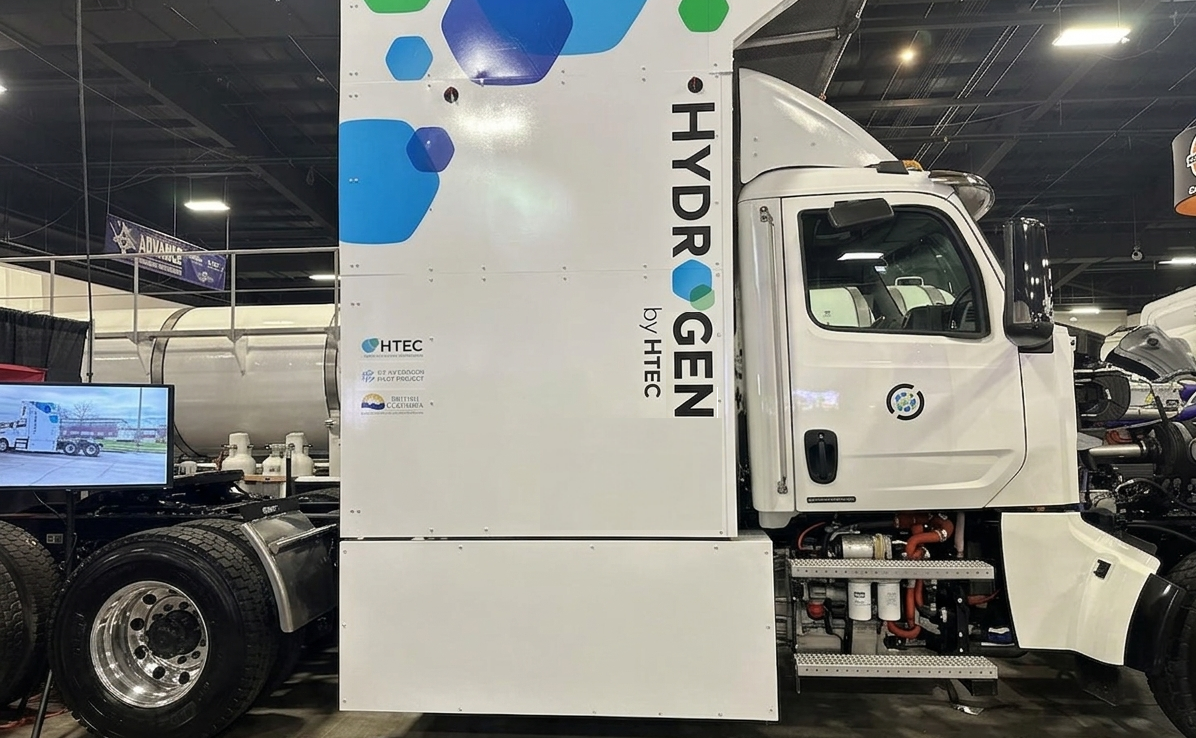
We’re super excited to let you in on some big news: Elemental Trucks—the Toronto-born venture that kicked off in 2022 and now has teams in Montreal and Charlottetown—has just wrapped up the prototype for North America’s first commercially ready 63.5-tonne hydrogen fuel cell electric Class 8 truck. This breakthrough couldn’t come at a better time: it dovetails perfectly with Canada’s drive to decarbonize heavy-haul transport and the global net-zero ambitions under the Paris Agreement.
Hydrogen fuel cell trucks aren’t exactly brand-new—developers have been tinkering with lighter classes for the U.S. market’s 80,000-pound (about 36.3-tonne) limit since the early 2010s. But Canada’s generous Gross Combined Weight Rating of 63.5 tonnes called for something different. That’s where this 63.5-tonne hydrogen truck comes in: tackling range anxieties and payload penalties head-on, two problems that battery-only rigs still struggle with when you need big distances and heavy loads.
Unpacking the Technology
Here’s the nuts and bolts: you fill up with hydrogen at 700 bar, which feeds a fuel cell stack that makes electricity for an electric drivetrain—leaving only water vapor trailing out the back. With a continuous 360 kW output, it’s got the muscle for highway speeds under load, and electric motors dish out instant torque whenever you stomp on the accelerator. Elemental Trucks is shooting for around an 800 km range, so you can cruise from coast to coast without the long downtime of recharging. It’s a real-world example of a fuel cell electric vehicle that solves the puzzles battery trucks can’t.
On the supply side, they teamed up with HTEC, Canada’s go-to for hydrogen production and refueling infrastructure. HTEC helped stitch in the high-pressure storage cylinders and fine-tune the vehicle’s brains and brawn—everything from leak-detection routines to automated pressure-relief systems—so safety and performance standards aren’t just met, they’re exceeded.
Solving Real-World Problems
For carriers hauling heavy loads on tight deadlines, charging stops can be a real headache. Hours pinned at a depot means missed delivery windows and higher labor costs. This zero-delay, zero-emission heavy-duty truck is tailor-made for fixed-route fleets in British Columbia, Alberta, Ontario and Quebec—regions already betting big on hydrogen stations at key transport hubs.
By building on a Peterbilt glider chassis, Elemental Trucks leverages proven reliability and an existing service network. Whether you’re trucking freight between Vancouver and Calgary or keeping municipal fleets humming in Toronto, this zero-emission heavy truck slips into your lineup with hardly a hiccup.
Made in Canada, Made for Canada’s Future
Everything you see in this prototype was put together at Elemental Trucks’ Rexdale facility in Toronto, tapping into Ontario’s deep manufacturing chops and a coast-to-coast supply chain. They worked side by side with Quebec’s precision machinists and Atlantic Canada’s composites experts to bring this hydrogen fuel cell truck to life.
They also got a boost from the Ontario Vehicle Innovation Network (OVIN), which funded real-world validation—think sub-zero winter runs near the Great Lakes and steamy summer endurance tests. That hands-on, local-first approach—“made in Canada, made for Canada’s future”—does more than speed up delivery; it strengthens our domestic supply chains, creates jobs from welders to software devs, and cements our lead in Canadian hydrogen trucking.
A Collaborative Model
None of this would have happened without a true team effort. Elemental Trucks drove the project, HTEC handled hydrogen integration, and OVIN plugged in public research resources. Montreal suppliers delivered the precision fuel cell stacks, Charlottetown firms built the composite cylinders, and Ontario engineers wrote the control software. By weaving together expertise from startups, academia, government and industry, they proved that innovation accelerates when everyone brings their A-game.
Testing and Validation
Since breaking ground, the prototype’s been through the wringer: freezing cold trials at -20 °C, grueling payload loops on Ontario test tracks and everything in between. Engineers pushed the hydrogen tanks, electric drivetrains and fuel cell performance through extended duty cycles. Thanks to OVIN’s support, each milestone has built confidence that this truck can handle Canada’s wild temperature swings and rugged terrain.
Economic and Environmental Impact
Heavy-duty trucks churn out a hefty slice of transport emissions—switching to hydrogen fuel cell power could trim hundreds of tonnes of CO₂ per vehicle over its lifetime. Ditching diesel entirely means fleets and municipalities can hit their climate targets without compromising on power or uptime.
On the economic side, this project already fuels regional growth. Toronto welders assembled the chassis, Quebec metallurgists fine-tuned high-pressure valves, and Charlottetown specialists crafted carbon-composite tanks. That collaborative ecosystem is building a new wave of jobs in clean tech, from shop floors to coding labs.
Infrastructure and Partnerships
A hydrogen truck only works if you can fill it up. That’s why Elemental Trucks and HTEC are teaming up with public agencies and energy companies to roll out fueling stations at ports, airports and depots. Those pilot sites give the first fleets the confidence to hit the road—and provide critical data for scaling up.
Of course, policy support—think carbon pricing, station grants and fleet procurement programs—will be key. Every new station drives down the cost per kilogram of hydrogen, creating a virtuous cycle for early adopters and infrastructure builders alike.
Looking Ahead
With production slated for 2026, fleets in British Columbia are already lining up for the first units. From there, pilots will expand into Alberta and Ontario, then Quebec and Atlantic Canada. If hydrogen station growth stays on track, you’ll see dozens of these fuel cell electric vehicle beasts cruising our highways in just a few years.
All told, this prototype shows what you can achieve when you blend clean energy, local know-how and smart partnerships. It’s a practical solution to real-world heavy-haul challenges—and it’s made in Canada for Canada’s future.