
Embraer Launches Fuel Cell Rig Tests to Propel Zero-Emission Aviation
June 22, 2026Exciting times in hydrogen news: Brazil’s aviation powerhouse, Embraer S.A., is gearing up to test a brand new hydrogen fuel cell rig. This marks a bold stride in their mission for zero-emission flights. Based out of San Diego, this move really shows how serious Embraer is about reducing emissions for regional and short-haul flights by tapping into innovative solutions like hydrogen production methods, dual-fuel concepts, and advanced fuel cell technology.
Embraer’s Game-Changing Approach to Decarbonization
Known for its leadership in the regional jet market, Embraer is now throwing its engineering talents into the world of hydrogen fuel cell news. They’re laying the groundwork for this tech by setting up a rig to test various components like fuel-cell stacks, power electronics, cooling systems, and safety controls. By doing this, Embraer’s engineers aim to collect vital data on challenges related to integration—think weight, volume, thermal management, and fuel handling. This isn’t just another lab experiment; it’s paving the way for the next era of zero-emission aircraft that could help airlines tackle those hefty carbon reduction targets.
The Nuts and Bolts: How Hydrogen Fuel Cells Work
Curious about how do hydrogen fuel cells work? Well, here’s the scoop. In a typical proton exchange membrane (PEM) stack, hydrogen, which comes from high-pressure or cryogenic tanks, splits into protons and electrons at the anode. The electrons then make their way through an external circuit, powering electric motors, while the protons cross the membrane to the cathode. There, they meet up with oxygen from the air to create water and heat—talk about a clean process! By testing this setup, Embraer is fine-tuning its hydrogen storage solutions, enhancing power density and ensuring safety monitoring before they take things to the skies.
Exploring Dual-Fuel Concepts with Hydrogen
But that’s not all! Embraer is also diving into dual-fuel systems that combine hydrogen with conventional jet fuel or sustainable aviation fuel. Why does this matter? Dual-fuel systems give engines the flexibility to switch between or mix fuels during flight, which is a game-changer, especially in areas where hydrogen infrastructure is still growing. By using engine simulators and rig tests, it’s all about understanding how combustion behaves, how durable materials hold up, and controlling emissions. This research ensures future aircraft can adapt to varying routes, fueling options at airports, and different regulatory frameworks.
Built for Tomorrow: Strategic Collaboration and Impact
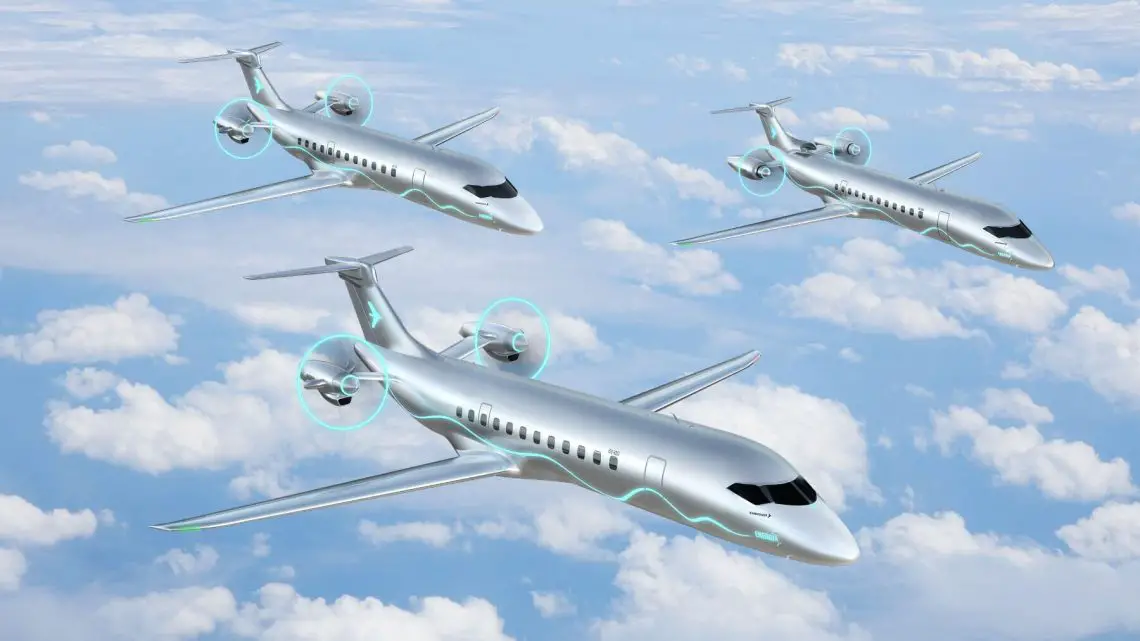
This isn’t just a one-off project; it fits into Embraer’s broader “Energia” initiative, which includes various low-carbon aircraft concepts, like hybrid-electric demonstrators and partnerships for sustainable aviation fuels. By weaving hydrogen research into their core innovation strategy, Embraer is making it clear to airlines, investors, and regulators that they’re serious about leading the charge toward clean aviation. The knowledge gained here could spark improvements not just in regional travel but also across sectors—from hydrogen cars and hydrogen vehicles to providing power for green data centers.
Overcoming Challenges: Integration and Infrastructure Needs
The real clincher? Tackling the unique challenges that come with hydrogen, such as its lower volumetric energy density, the need for cryogenic storage, and establishing new safety protocols. Embraer’s fuel-cell rig allows teams to experiment with different hydrogen storage methods, like composite tanks and advanced insulation, alongside power electronics and cooling systems. Plus, having discussions with airports and energy providers will play a significant role in shaping the rollout of hydrogen infrastructure. A coordinated approach is essential if hydrogen is going to transition from theory to reality in commercial flights.
Building Hydrogen Supply Chains and Financing
For hydrogen to be a viable fuel for flight, Embraer is also working on partnerships with energy producers and investors to focus on hydrogen project financing and clean hydrogen offtake agreements. These collaborations aim to secure a reliable supply of green hydrogen, steering clear from blue hydrogen alternatives and fossil fuel sources. By syncing up the timelines for aircraft development with production facilities, pipelines, and hydrogen refueling stations, Embraer is setting the stage so that when their aircraft are ready, the fuel will be ready too. This integrated approach helps minimize risks for airlines and airports, while also fostering early demand for renewable hydrogen.
Industry Buzz and Competitive Landscape
All of this is happening amidst an exciting surge in clean hydrogen news. With players like Airbus unveiling ZEROe concepts and innovative startups like ZeroAvia and Universal Hydrogen making waves, it’s clear that hydrogen is more than just a buzzword. As green hydrogen production ramps up and mandates for sustainable aviation fuels become tighter, manufacturers are racing to offer viable solutions for a carbon-free future. Embraer’s focus on dual-fuel systems acknowledges that jumping straight into pure hydrogen isn’t feasible right now, so transitional models might just provide the ideal middle ground for airlines.
The Big Picture: Historical Context and Momentum
While hydrogen and fuel-cell research isn’t exactly new, the pressing climate issues today have breathed new life into these concepts. Previous efforts were often focused on auxiliary power, but with evolving regulations and net-zero targets, the stakes couldn’t be higher. Embraer’s initiative builds on a wave of recent successes and ties into a dynamic ecosystem of innovation that spans hydrogen production methods, hydrogen storage, and hydrogen refueling stations—and this momentum is pushing forward not just in aviation but across the board.
Wrapping it Up: Decarbonizing Regional Aviation
By launching these tests for their hydrogen fuel cell news rig, Embraer is laying the groundwork for practical paths towards zero-emission flights. The insights gleaned from these ground tests will inform future powertrain designs, certification strategies, and infrastructure needs. As the industry faces carbon pricing pressures and net-zero commitments, regional jets stand out as excellent candidates for the early adoption of hydrogen. Embraer’s initiative is a clear demonstration that with robust ground testing and strategic partnerships, the aviation sector can truly transform.
Committed to leading the energy transition, Embraer is leveraging decades of expertise in regional jets to redefine the future of flying. By tackling the debates around green hydrogen vs blue hydrogen and addressing operational realities—like fueling, safety, and cost—this initiative embodies a realistic approach to cutting down emissions. With hybrid systems that evolve in tandem with infrastructure and aircraft designs that can easily adapt to alternative fuels, we’re entering a new chapter in clean aviation.
In short, Embraer’s hydrogen fuel-cell tests are a major step forward for zero-emission regional aviation. With the knowledge gained on the ground, tomorrow’s skies could very well soar with the promise of clean, green hydrogen. And that’s a future we all want to see take flight!


 With over 15 years of reporting hydrogen news, we are your premier source for the latest updates and insights in hydrogen and renewable energy.