Enagás Launches Calls for Interest in Hydrogen Infrastructure and CO2 Logistics
Enagás has launched two non-binding Calls for Interest in hydrogen infrastructure and CO₂ logistics, aiming to de-risk investments, support Spain’s green hydrogen targets and expand carbon capture solutions.
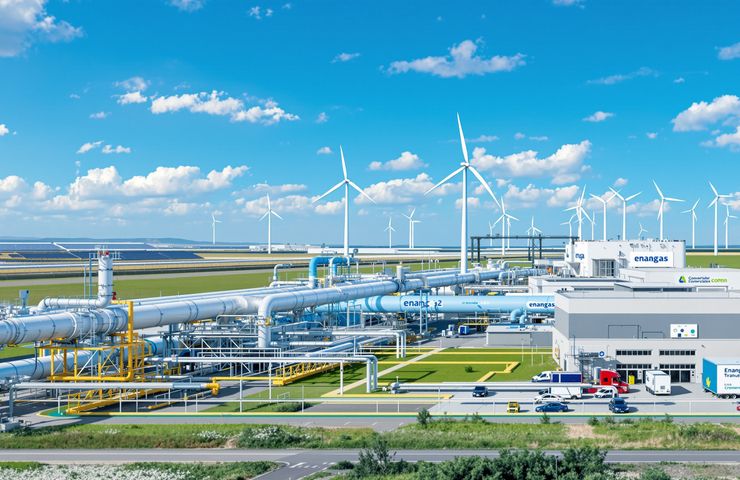
Big news coming out of Spain! The technical team at Enagás, the national gas grid operator, just kicked off an ambitious initiative aimed at ramping up the country’s hydrogen infrastructure and carbon capture networks. They’ve launched a two-pronged call to action: the first part invites hydrogen producers, consumers, and marketers to let them know what they need for a proposed backbone that will stretch about 2,750 kilometers using repurposed pipelines. The second part is aimed at CO₂ emitters and potential users who want to tap into the CO₂ logistics surrounding Enagás’s regasification terminals. This isn’t just some bureaucratic formality; it’s a strategic move to help turn Spain into a serious player in the green hydrogen arena.
Context and Vision
Founded in the early '70s and now certified as an independent transmission operator by the EU, Enagás has been the backbone of Spain’s natural gas system and its four LNG regasification terminals. Recently, they’ve switched gears towards renewable hydrogen and CO₂ infrastructure, signaling a big shift in strategy. They're laying out plans for underground hydrogen storage and two major hydrogen backbones connecting important industrial areas and renewable energy sources. Leveraging their extensive network, the company is definitely building for the future, catering to both traditional gas users and the emerging market for green molecules.
Spain’s Renewable Edge
With a population of about 47 million and a GDP per capita that’s north of $29,000, Spain has some solid renewable energy resources, especially in solar and wind. This influx of renewables is the key ingredient in Spain’s green hydrogen aspirations—imagine electrolyzers linked up with solar and wind farms cranking out hydrogen with basically zero emissions. Enagás is tapping into these clean energy sources through a nationwide backbone, which is set to cut down on production costs for green hydrogen and enhance energy security for both homes and industries.
Mapping Hydrogen Demand
Just this month, the first call opened up a digital platform for hydrogen stakeholders to register their projected needs—think volumes, locations, timelines, and more. Producers, big industrial users, and off-takers are all encouraged to weigh in by mid-June to help shape a backbone that’ll run through key corridors like the Ebro Valley and Cantabrian Coast. The real kicker? By gathering and updating market data now, Enagás is looking to minimize investment risks for billions of euros in pipeline projects. It’s a real-world solution that’s backing Spain’s ambitious goal of achieving 11 GW of green hydrogen electrolysis capacity by 2030.
Powering Carbon Capture
On another front, there’s also a call for participants in the CO₂ logistics chain. Enagás wants to hear from emitters in heavy industries and power generation about their plans for capturing CO₂. Users who need CO₂, whether for underground storage or enhanced oil recovery, can also signal their demand. With LNG terminals already set up in places like Huelva, Barcelona, Cartagena, and Gijón ready to handle liquefaction and distribution, Enagás is leveraging these existing facilities to jump-start carbon capture and storage (CCS) projects. This dual approach to hydrogen and carbon capture is creating a unique synergy that helps support both EU net-zero targets and Spain's competitiveness in the climate-smart economy.
Pioneering CO₂ Projects
Now, Enagás isn’t a newbie when it comes to carbon capture initiatives. Their CO₂necta project aims to capture over half a million tonnes of CO₂ every year, while a partnership with Calcinor is gunning for nearly a million tonnes a year. By incorporating these captured volumes into their logistics chain, they’ve got solid numbers to work with for this Call for Interest. Plus, these efforts line up neatly with the EU’s need for hundreds of millions of tonnes of CO₂ storage capacity by mid-century.
The Secret Sauce of Infrastructure
So, what’s behind this big plan? It’s all about smartly repurposing existing gas pipelines and storage caverns. By adapting up to 2,600 km of pipelines for pure hydrogen or H₂ blends and planning underground salt-cavern storage, Enagás stands to save costs compared to starting fresh with new builds. Compressed hydrogen from renewable sources can flow through these pipelines straight to factories and power plants, while the captured CO₂ makes its way back to storage sites. Essentially, these pipelines become multi-purpose arteries for clean energy molecules.
Real-World Impact
Beyond the clever engineering, these initiatives are set to supercharge Spain’s green economy. Analysts are estimating that a fully functional hydrogen backbone could pull in billions of euros in investments, creating local jobs in construction, operations, and maintenance. Industrial sectors, from steel to cement, are finally going to have dependable paths for their decarbonization efforts. Meanwhile, the focus on carbon capture logistics is opening doors for tough-to-abate sectors to comply with stricter emissions regulations. In short, Enagás is serious about leading the way in the energy transition.
Financial Momentum
The recurring net profit numbers for Q1, released by Enagás, show €56.9 million, and they’re confident they’ll hit their annual target of €235 million. With traditional gas demand on the decline, these new hydrogen and CO₂ initiatives could help stabilize their revenue through regulated asset returns. It’s a clever pivot that kicks the challenge to the curb—putting Enagás in a strong position for a decarbonized future.
Challenges and Next Steps
Of course, the road ahead isn’t entirely smooth. There are still regulatory frameworks for transporting pure hydrogen and establishing cross-border agreements that need to be ironed out under the upcoming Hydrogen Law. Financing large-scale electrolyzer deployments is going to hinge on nailing down public subsidies and establishing stable long-term contracts. Additionally, ensuring permanent geological storage and curbing leakage for CO₂ will require some serious monitoring. But by engaging with industry feedback through these calls, Enagás is addressing key uncertainties right from the get-go.
Engaging the Market
For those interested, Enagás is hosting webinars and providing online forms for stakeholders to submit their information this month. Hydrogen partners have until mid-June to express their interests, while CO₂ emitters and users get an extra two weeks. These sessions will cover in-depth technical guidelines, interconnection points, and potential tariff models. It’s your chance to get involved and help shape Spain’s green energy future.
These two Calls for Interest are just the latest in a series of initiatives like the Green Hysland project in Mallorca. They fit neatly into Spain’s 2020 Hydrogen Roadmap—upgraded last year to target 11 GW of electrolysis capacity—and align with REPowerEU’s push for resilient energy supply chains. For a company that’s relied on natural gas for so long, this shift is crucial in safeguarding future revenues while solidifying its position as a leader in green infrastructure.
To sum it up, by mobilizing market data, lowering infrastructure risks, and connecting hydrogen and CO₂ networks, Enagás is paving the way for serious decarbonization. It’s a practical, scalable strategy that tackles traditional energy challenges head-on—laying the groundwork for clean hydrogen, climate-smart industries, and a more secure Europe. So keep your eyes peeled: the pipelines of tomorrow are in the making, and Spain is right in the driver’s seat.