
Enagás Unveils Public Consultation for Proposed Hydrogen Infrastructure in Murcia
June 22, 2026Big news for Spain’s budding hydrogen infrastructure! Enagás is kicking off the public participation phase for a proposed hydrogen pipeline in the Region of Murcia. This isn’t just a random project—it’s a key step toward creating a robust network that aims to link production hubs, ports, and industrial centers across the country. For southeastern Spain, especially in areas like Cartagena and Escombreras that are already packed with heavy industry, this is some exciting hydrogen news.
Project Overview
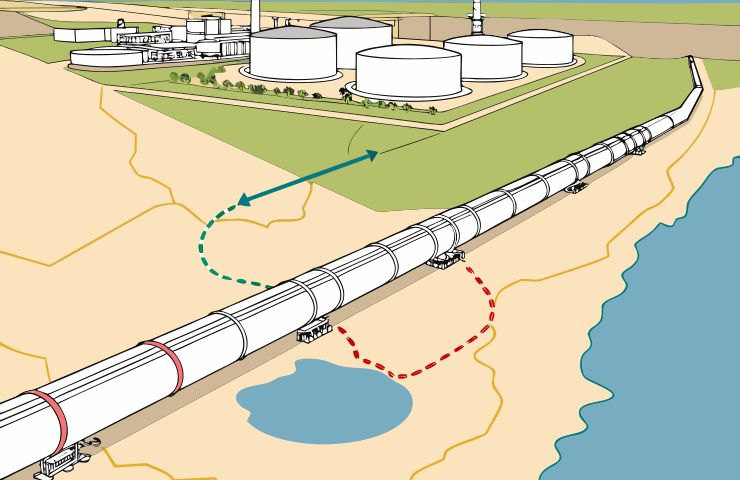
Enagás is reaching out to various municipalities in Murcia to give local stakeholders a heads-up about this planned pipeline corridor. From what we gather, the pipeline is set to start from the Escombreras industrial and port area and stretch inland to connect potential hydrogen users in nearby industrial zones. While the specifics like length and capacity are still up in the air, this project is one of the first tangible steps to bring high-level hydrogen plans to life on a regional scale. Local folks can check out preliminary maps, share their thoughts, and suggest tweaks before the route gets finalized.
Ultimately, this pipeline could be just the first piece of a larger trunk line snaking across southern Spain, connecting with other hydrogen corridors in the works. Early plans hint at links to agricultural hydrogen hubs and possibly even integrating with offshore green hydrogen production facilities. Right now, feasibility studies are looking into things like soil types and existing land rights to keep costs down and avoid land-use conflicts.
Regional Context and Demand Drivers
The Region of Murcia, home to over 1.5 million residents, boasts a solid agricultural base, established port logistics, and petrochemical activities. Here are some key drivers pushing the demand for hydrogen:
- Refineries and chemical plants are on the hunt for low-carbon feedstock to cut down their Scope 1 and Scope 3 emissions.
- Port operators are diving into hydrogen-derived fuels for shipping and logistics, aiming to decarbonize their operations.
- Developers in the renewable energy sector are looking to install electrolysers in areas where the grid can’t keep up.
- Regional authorities are chasing investments that align with European hydrogen corridor goals.
The six municipalities involved in the public consultation include bustling industrial hubs like Cartagena, La Unión, and Fuente Álamo. Each of these spots has its unique activities—think naval repair yards to fertilizer plants—that can benefit from low-carbon hydrogen. Plus, local economic development plans are all about clean energy jobs and building up chemical clusters, making the pipeline a potential game changer for job creation and modernization of supply chains.
If this pipeline gets built, it could really solidify Murcia’s role in Spain’s industrial decarbonization efforts, supporting both green hydrogen production projects and future supply agreements.
Technical Foundations of Hydrogen Pipeline Networks
So, how does this hydrogen pipeline tech work? It’s kind of similar to traditional gas transmission systems, but there are some unique aspects to manage:
- Compression pressures between 30 bar and 100 bar, depending on how the network is designed.
- Material selection is crucial to prevent hydrogen embrittlement and ensure everything stays intact over time.
- Safety measures need to be tailored for hydrogen’s lightweight nature to detect leaks effectively.
- Operational controls might include options for odorization or inerting, based on what the end-users require.
Pipelines like these typically range from 8 inches to 24 inches in diameter, with flow capabilities that can exceed 50,000 cubic meters per hour. Operators have to juggle choices about diameter, trying to keep compression energy costs low while meeting expected demand. They might also look at integrating with salt cavern storage or above-ground tanks to handle variable supply from renewable-driven electrolyser facilities. And you’ll see digital monitoring and remote sensing systems becoming standard to keep things safe and efficient.
This section of the pipeline would connect to feeder lines, storage facilities, and future interregional links, optimizing flow rates and cutting transport costs compared to using trucks.
Consultation and Permitting Process
The public participation stage is a must-follow in Spain for major energy projects. Over the next few weeks, Enagás plans to:
- Hold informational sessions in six municipalities across Murcia.
- Share technical documents discussing environmental, land-use, and safety issues.
- Gather feedback from landowners, local councils, and community groups.
- Work stakeholder insights into routing and impact mitigation plans.
Spanish regulations require at least a 45-day consultation period where regional authorities gather opinions and publish a summary. Then, an environmental scoping report must be filed, kicking off a public review that can last for months. If any major changes in the route arise during this phase, it could mean starting parts of the process all over again, highlighting how crucial early stakeholder cooperation is.
This open phase is designed to smooth over potential hiccups, whether they involve protected natural areas or agricultural lands, before formal construction permits are sought.
Strategic and Economic Implications
Bringing Murcia into the national hydrogen backbone brings a lot of strategic benefits:
- Boosted investor confidence thanks to clearer future infrastructure plans.
- Potential cost savings from collective hydrogen project financing and funding opportunities from the EU.
- Quicker negotiations for offtake agreements as businesses gear up for a steady hydrogen supply.
- A boost for supporting services, from compression stations to flow meters and safety systems.
Getting included in Spain’s hydrogen valleys initiative could also open doors for more R&D funding and collaboration. Regions tagged as hydrogen valleys get priority when it comes to Horizon Europe and national innovation funds. Murcia’s pursuit of this recognition is likely aided by active infrastructure plans that could attract electrolyser manufacturers and specialized engineering firms.
Of course, the project will need to show there’s solid demand to make it worth the capital investment and navigate any local pushback. It’s all about balancing economic benefits with what the community wants as they figure out whether this pipeline is feasible.
Outlook and Next Steps
After the feedback phase wraps up, Enagás is likely to refine the route and file an environmental impact assessment with regional authorities. If everything gets the green light, the project can move on to detailed engineering, procurement, and financial close. However, actual construction hinges on a few things:
- Securing offtake contracts or binding supply agreements.
- Receiving public subsidies or EU grants that tie into decarbonization goals.
- Making sure it aligns with Spain’s evolving national hydrogen strategy.
- Completing studies for cross-border links for future export potential.
Assuming the environmental impact is positive, the detailed engineering and procurement stages could take about 12 to 18 months to keep things moving. Stakeholders are optimistic about having the pipeline live in the latter half of the decade, depending on how well production and offtake facilities are lined up. Studies to connect with neighboring regions will likely run alongside these efforts, hoping to set interoperability standards across the Iberian hydrogen corridor.
Even though the timeline is still a bit of a moving target, hitting this public participation milestone marks a big shift from strategy to action in Spain’s clean hydrogen plans.
Ultimately, the Murcia pipeline consultation reflects a wider trend in Europe: gas transmission operators are gearing up for a hydrogen future, regions are vying for investments driven by decarbonization, and early discussions are shaping the next wave of zero-emission infrastructure.
 With over 15 years of reporting hydrogen news, we are your premier source for the latest updates and insights in hydrogen and renewable energy.