Energinet Launches Capacity Sales for Danish Hydrogen Backbone
February 10, 2026A Bold Milestone in Denmark’s Energy Transition
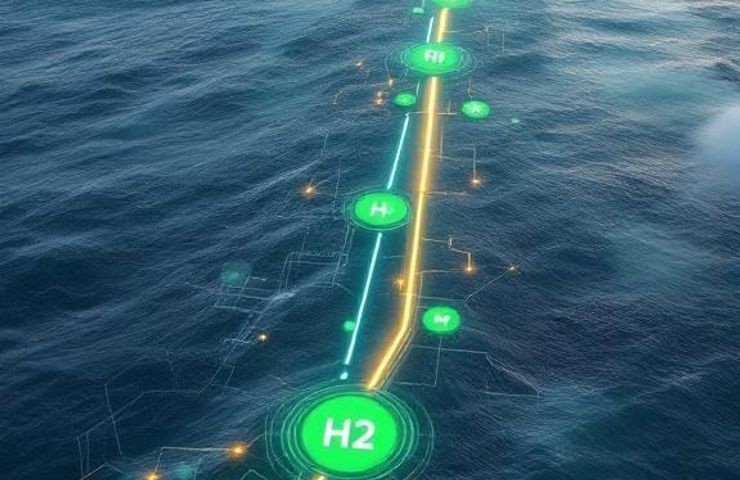
If you’re keeping tabs on Europe’s clean-energy game, here’s some exciting news: Energinet has just opened up long-term capacity bookings for the Danish Hydrogen Backbone 1—fondly dubbed “the 7.” Stretching 133 km from Esbjerg through Veerst to Frøslev at the German border, this hydrogen pipeline is set to ferry up to 3.24 GW (higher heating value) or 2.7 GW (lower heating value) of green hydrogen transport capacity from 2030 to 2046, all managed through the PRISMA platform.
How Does the Hydrogen Pipeline Work?
It’s a clever mash-up of brand-new steel pipes and repurposed natural-gas lines, all designed to move compressed hydrogen at the pressures big industries need. On paper, it can handle up to 3.6 GW, though Energinet has penciled in 10 % for shorter-term capacity products. Buyers can snag slots in real time on the PRISMA platform, Europe’s go-to spot for gas and hydrogen transmission auctions. And to green-light construction? Someone’s gotta lock in at least 500 MWh/h (LHV) over ten straight years between 2031 and 2040.
Who’s Driving the Initiative?
Meet Energinet, Denmark’s state-owned TSO that’s been wrangling electricity and gas networks since 2009—and now is steering the hydrogen ship. They’re plowing around DKK 7.5 billion into the so-called Syvtallet pipeline, backed by a government loan repayable by 2060. According to Michael Linnemann Pedersen, Energinet’s area manager for megaprojects, watching how much capacity gets snapped up is key to sizing up true demand for green hydrogen transport. And over in Frøslev? Dutch TSO Gasunie will link Danish wind-powered electrolyzers to Germany’s heavy-industry heartland.
Why It Matters: Benefits and Challenges
- Positions Denmark as a prime export hub for green hydrogen, tapping into North Sea wind power.
- Helps decarbonize tough industries like steel, chemicals and heavy transport.
- Bridges Danish and German energy markets, boosting EU supply security.
- Gives electrolyzer operators and end users clarity through long-term contracts.
Of course, it’s not all smooth sailing. If bookings don’t hit that 0.5 GW sweet spot, the project could hit roadblocks—or worse, stall altogether. And getting those costs back on the books means there’s got to be steady demand and plenty more renewable power coming online.
Could This Project Pave the Way for a Pan-European Hydrogen Network?
Denmark laid the groundwork with its 2020 national hydrogen roadmap and follow-up studies in 2021. Fast-forward to 2025: government approval came through, plus a DKK 10.6 billion subsidy stretched over 30 years to keep booking thresholds realistic. Now that the capacity sale is live, we’ve officially shifted from planning mode to market-driven reality—right in step with the EU’s broader hydrogen strategy under REPowerEU. If they clear the bookings bar, cranes could roll in by mid-2028 and the first hydrogen molecules might be flowing by late 2030.
Looking to the Horizon
This isn’t just a win for Denmark; it’s a live test of green hydrogen transport demand across Europe. Keep an eye on the PRISMA platform auctions—you’ll see exactly how hungry the market is for this kind of infrastructure. Nail these bookings, and the Danish Hydrogen Backbone could grow into something even bigger, supercharging Europe’s push toward a low-carbon future.
 With over 15 years of reporting hydrogen news, we are your premier source for the latest updates and insights in hydrogen and renewable energy.