EU Approves Belgian Aid for Carbon Capture to Decarbonize Hydrogen Production in Antwerp
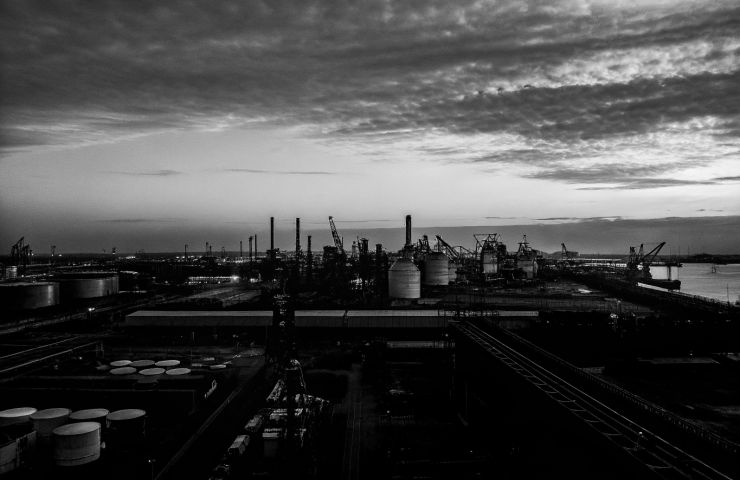
March 19, 2026This month, the European Commission gave the thumbs-up to €260 million in Belgian backing for the Kairos@C carbon capture and storage (CCS) project. Spearheaded by Air Liquide Large Industry NV and BASF Antwerpen NV, it’ll pull CO₂ straight from existing hydrogen, ammonia and ethylene oxide plants at the Port of Antwerp, then whisk it offshore for permanent storage in North Sea rock formations.
- Kairos@C plugs into the Antwerp@C CO₂ export hub, aiming to slash 20 million tonnes of net greenhouse gases over 15 years as part of Europe’s industrial decarbonization drive.
- The €260 million tops up a €365 million grant from the EU Innovation Fund and helps tackle inflation-driven cost hikes.
- Belgium’s support breaks down into a €30 million up-front grant plus up to €10 million annually for the next decade, tied to performance and possible clawbacks.
- By making low-carbon hydrogen production and clean ammonia possible without cranking up capacity, it keeps Belgium on track for the EU’s 2030 sustainable energy and emissions goals.
Project Background and Antwerp@C
Antwerp@C kicked off in 2020 with a daring promise: halve emissions from Europe’s second-largest chemicals hub by 2030. The Port of Antwerp—trading goods since the 16th century—is now teaming dozens of hydrogen and petrochemical players behind a shared CO₂ pipeline and underground storage system that handles 2.8 Mt a year (with room to scale to 10 Mt). It’s a classic example of pooling resources for real-world carbon capture and storage success.
No one’s turning up the production dial—instead, plants get greener. Plus, thanks to Innovation Fund rules, operators share key technical insights, spreading expertise across the EU.
Technical Dive: CCS Process
At its core, carbon capture and storage is a bit like a high-tech vacuum cleaner for CO₂. Amine-based scrubbers at the Air Liquide and BASF sites snag CO₂ from flue gas. Once the gas is stripped out and compressed until it’s dense enough to travel, it merges into the Antwerp@C trunkline. From there, pipelines or ships carry it under the North Sea to saline aquifers or spent oil and gas reservoirs, where it’s sealed away forever. Continuous monitoring and pressure sensors keep an eye out, so nothing bubbles back up.
Funding Structure and EU Role
This €260 million boost—stacked on the €365 million from the EU Innovation Fund—helps cover runaway material and labour costs since the project was first picked. Belgium doles out a €30 million one-off grant, then up to €10 million a year for ten years, but only if those CO₂ capture targets are met. Miss the mark, and the clawback clauses shrink the support. By signing off on this aid, Brussels made it clear: CCS is a must-have tool for modernizing heavy industry while keeping it competitive.
Strategic Implications for Hydrogen Production
Hydrogen production sits at the heart of Europe’s switch to sustainable energy. Most hydrogen today comes with a hefty carbon tag—so-called “grey” hydrogen made from natural gas. Kairos@C gives existing plants a lifeline, letting them churn out low-carbon hydrogen and clean ammonia without upping capacity. That means producers can lock in offtake deals in carbon-conscious markets and shows other petrochemical clusters how to do the same.
Collateral Benefits and Risks
Besides chopping roughly 20 million tonnes of CO₂ over 15 years, Kairos@C brings a wave of job opportunities in green-tech—from engineering and construction to marine logistics. Antwerp’s open-access pipeline levels the playing field, so multiple players can hook in without distorting the market. But let’s keep it real: CCS isn’t risk-free. There’s always the chance of cost overruns, teething technical issues and public jitters about undersea storage. Antwerp@C’s shared-risk setup and funding safeguards are designed to tackle those headaches head on.
Outlook and Policy Alignment
With the CO₂ backbone under construction since mid-2025, full-scale operations should be up and running by the end of the decade. Kairos@C dovetails neatly with the Clean Industrial Deal and Belgium’s own emission roadmaps, ticking off national and EU targets. And with a focus on spreading lessons learned, Antwerp could well become the blueprint for similar cross-border CCS efforts in Rotterdam, the UK or Scandinavia.
What’s Next?
We’re at a turning point where carbon capture and storage fills the gaps that wind turbines and solar panels can’t cover on their own. While electrolyzers might hog the headlines, big-picture projects like Kairos@C show how you actually snag emissions at scale. If Antwerp’s playbook holds up, it’ll give governments and industry the confidence to roll out large-scale CCS networks across Europe—and beyond.
 With over 15 years of reporting hydrogen news, we are your premier source for the latest updates and insights in hydrogen and renewable energy.