European Commission Greenlights €6 Billion Italian Hydrogen Production Scheme
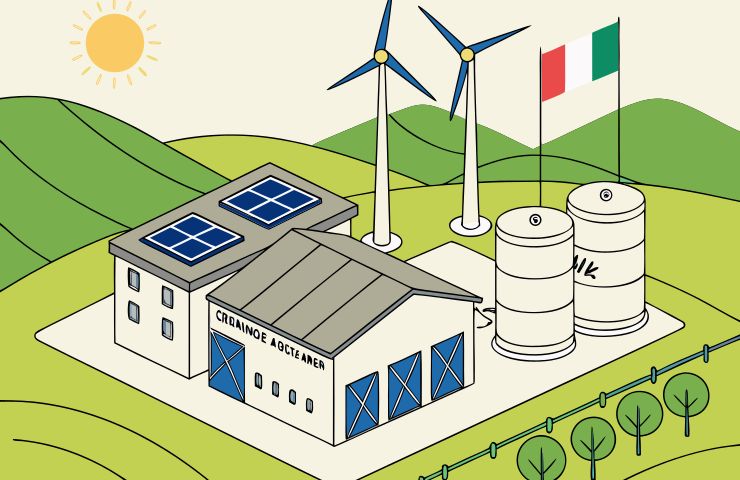
April 1, 2026Brussels just gave a big thumbs-up to Italy’s audacious energy play, setting the stage to shake up Europe’s hydrogen scene. The European Commission has approved a €6 billion state aid package—dubbed the ‘tariff decree’—to ramp up renewable hydrogen production and kickstart a new era of hydrogen production across Italy. It’s a clear nod to the power of green hydrogen in driving industrial decarbonization and sustainable energy.
They’re using competitive two-way contracts for difference to aim for roughly 200,000 tonnes of green hydrogen each year by the decade’s end. Producers bid a “strike price,” so they’re covered if market rates dip or surge. Running until 2029, it supports hydrogen from electrolysis powered by renewables, plus biogenic routes turning biomass or waste into fuel. The scheme fits neatly under EU State Aid rules (Article 107(3)(c)) and aligns with REPowerEU and the Green Deal.
How the support works
At its heart, the plan leans on two-way contracts for difference. If market prices slip under your bid strike price, you get topped up by the state; if prices jump above it, the government pulls back the extra cash. That back-and-forth keeps public spending in check and avoids warping the market. You’ve probably seen the same model powering Italy’s other IPCEI hydrogen ventures—it’s become the go-to method for boosting green hydrogen without breaking the bank.
Here’s what qualifies:
- Electrolysis: clean power from wind, solar or the like splits water into hydrogen and oxygen—with no direct emissions.
- Biogenic processes: turning biomass or organic waste into hydrogen through biological fermentation or thermal gasification.
Industrial decarbonization angle
You know how tricky it is to zap emissions from steel mills, chemical plants and big transport machinery, right? Batteries just don’t cut it there. That’s where green hydrogen struts its stuff, slicing CO₂ in spots where electrification falls short. With a target north of 200,000 tonnes a year, this plan could funnel H₂ into steel furnaces, refinery units and even fuel cell trucks. The kicker? Investors need that guaranteed offtake before they’ll pour cash into massive electrolyzers or bioreactors—it’s the only way to get serious capital moving.
Strategic context and collateral impacts
This isn’t happening in a vacuum. It slots right into the EU’s REPowerEU playbook to slash dependency on fossil fuels and fire up homegrown clean tech. Brussels is convinced the environmental benefits outweigh any competition worries, especially since Italy’s built in clawback rules to reel in any excess payments. On top of that, this plan sends a clear signal to equipment suppliers and EPC contractors: Italy is open for business. That could mean more green jobs and new factories popping up on home soil, giving the local economy a real boost.
Where it stands in Europe
With a €6 billion envelope, Italy’s scheme is one of the heftiest single-country hydrogen support programs we’ve seen under EU state aid rules. Other member states have rolled out smaller auctions or grants, but this move cements Italy’s ambition to be a frontrunner in green hydrogen development, building on earlier IPCEI approvals.
Policy alignment and safeguards
Under Article 107(3)(c) of the EU Treaty, state aid is OK for projects of common interest—so long as trade and competition stay fair. The Commission’s approval points out that Italy’s got strong clawback provisions and transparent tender rules to keep subsidies in check, ensuring they cover only what’s strictly needed to make this industrial decarbonization push work.
Technical deep dive
On the electrolysis side, you’ve got everything from compact modular units to multi-megawatt giants. Pair them with wind or solar, and they can dial hydrogen output up or down depending on power prices. The biogenic track adds feedstock versatility—agricultural leftovers or municipal waste get turned into H₂ via fermentation or gasification. Once produced, that gas can be compressed, liquefied or blended into the natural gas grid, fueling industrial hubs or filling up transport stations.
Paths to scale and potential hurdles
No hard timelines or site lists have dropped yet, but you can bet electrolyzer makers and waste processors are sharpening their pencils. With site selections still under wraps, players are on edge, eager for the official word. A few hurdles remain: grid integration needs ironing out, permitting can’t get bogged down in red tape, and pipelines or fueling stations must go up fast. If Italy nails these logistics, the auctions will set benchmark strike prices and delivery schedules that other EU states will watch like hawks.
Looking ahead
Bids are expected to start rolling in soon, and as tenders run through 2029, we’ll get a much clearer picture of where these new plants will pop up and when they’ll fire up. For businesses and citizens alike, that means more green hydrogen on the market and more projects moving off the page and into reality. Italy’s ‘tariff decree’ could be the spark that lights a wider European hydrogen revolution.
 With over 15 years of reporting hydrogen news, we are your premier source for the latest updates and insights in hydrogen and renewable energy.