European Resilience Alliance Urges Faster Hydrogen Production Rollout in Brussels
European Resilience Alliance calls for faster hydrogen production in Brussels amid Europe’s slow clean hydrogen deployment and policy, supply chain, and infrastructure challenges.
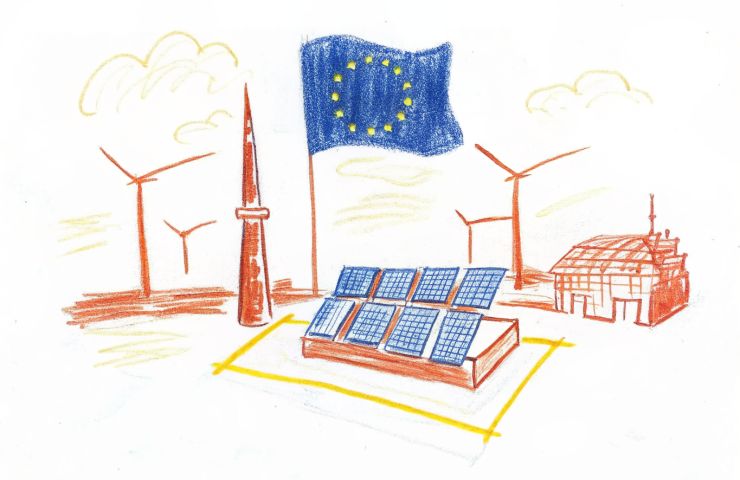
So, here’s the scoop: a story in Intereconomía says that the European Resilience Alliance—a Spanish advocacy group still flying under the radar of EU institutions and big media—landed in Brussels this month to push for faster hydrogen production. They’re warning that Europe might be dropping the ball on rolling out green hydrogen at scale, which is a huge deal if we want to cut CO₂ and boost our energy independence.
Brussels Push Highlights Lagging Ambition in Hydrogen Deployment
Despite big-ticket plans—like the 2020 EU Hydrogen Strategy and the 2022 REPowerEU roadmap—targeting 40 GW of electrolyzer capacity by 2030, the European Commission’s latest figures show we’re nowhere near that mark. Insiders blame jammed-up infrastructure, sky-high costs for electrolyzers, and each country’s own maze of permit processes for the stall. Without more aligned roadmaps and shared timelines, projects risk getting stuck in limbo.
How Electrolysis Unlocks Clean Energy
At the center of all this is good old electrolysis: using clean electricity—think wind and solar—to split water (H₂O) into hydrogen (H₂) and oxygen (O₂). When you power electrolyzers with zero-carbon juice, you get green hydrogen that’s perfect for industrial decarbonization, energy storage, or fueling long-haul trucks. But to really crank this up a notch, we’ll need rock-solid supply chains for things like membranes, catalysts, and high-pressure tanks.
Supply Chain and Manufacturing Bottlenecks
Right now, electrolyzer production is kind of a one-country show—only a handful of firms make the key bits (we’re talking ion-exchange membranes, pricey platinum-group catalysts, and pressure-rated modules). That concentration spells trouble if supply dries up or prices spike. To fix it, we’ll need to spread manufacturing out, agree on standard module designs, and pump cash into next-gen membranes and catalyst research.
Navigating the Regulatory Maze
Here’s where it gets messy: even though the EU sets common goals, each country has its own rulebook. You end up with wildly different permit timelines, grid-connection requirements, and environmental red tape. Big hydrogen hubs can get stuck in multi-year approval limbo, delaying funds and construction. Harmonizing rules for cross-border pipelines and import terminals would shave off months, maybe even years, and help everything play nice across Europe’s energy market.
Balancing Grids and Renewables
Electrolyzer fleets are basically hungry power hogs, so we’ve got to get smart about managing the grid and ramping up storage. In spots where wind farms or solar arrays are forced to dump excess power, that surplus could funnel into H₂ plants, squeezing every last drop of value from renewables. Making that dance work means tight coordination between grid operators and hydrogen producers—and some slick digital tools to keep tabs on power flows.
Weighing the Opportunities and Challenges
Switching over to a sustainable energy system comes with obvious perks—think more energy independence, a surge in green jobs, and serious cuts in emissions across sectors like steel and chemicals. But it’s not all sunshine: the upfront investment is hefty, supply chains are stretched thin, and scrambling for renewable electricity could nudge power prices up. One smart move? Building regional “hydrogen valleys” near ports and industrial clusters to tap into logistics synergies and create local demand. These zones can also serve as testing grounds for new storage solutions and pipeline networks.
On the funding front, the EU’s Important Projects of Common European Interest (IPCEI) has tossed €5.4 billion into the ring to kick-start hydrogen efforts, but that alone won’t cut it. We need private capital lining up alongside public money, and experts say well-oiled public-private partnerships plus crystal-clear market signals are the secret sauce for attracting the rest of the cash.
This year, as the EU polishes its rulebook, Brussels will stay the nerve center for cross-border energy policy. The European Resilience Alliance may not have official EU stamp of approval just yet, but their message echoes what a lot of folks are already saying: if we don’t see real progress on funding, permits, and grid hookups, green hydrogen will stay a nice-to-have instead of becoming the backbone of Europe’s zero-emission future by mid-century.
In the weeks and months ahead, eyes will be on any news about faster approvals, fresh electrolyzer plant plans, and more hydrogen refueling stations popping up across member states. If Brussels can back this all up with solid incentives and cut through the red tape, Europe could swing back into the lead and cement its spot in the global race for clean fuels—and that’s not just good for the climate, it’s a serious economic play, too.