EU’s SUPREME project pioneers PFAS-free PEM electrolysis for green hydrogen production
March 3, 2026We at the EU-funded SUPREME project are rolling up our sleeves to tackle two of the biggest headaches blocking truly affordable green hydrogen: those stubborn PFAS polymers in proton exchange membranes and the sky-high price of iridium catalysts. Coordinated by the University of Southern Denmark and backed by a powerhouse team—TU Graz, Fraunhofer ISE, Element One Energy AS, TÜBİTAK, Ceimig and Ames Goldsmith—we’re out to deliver a PFAS-free PEM electrolysis solution that shrinks iridium use, ramps up metal recycling and lays down the groundwork for scalable, sustainable hydrogen production. It’s all in lockstep with the EU Hydrogen Strategy, REPowerEU and the Clean Energy Transition Partnership (GA N°101069750), driving Europe toward that big 40 GW electrolyser capacity goal by 2030.
After decades of PEM electrolysis R&D—dating back to the 1960s—and countless catalyst breakthroughs, SUPREME is injecting fresh ideas into both materials and system design. We’ll see early prototypes hit test benches later this year, a crucial step on the road to commercial rollout. Here’s a sneak peek at what’s on the table:
- PFAS-free membranes (TÜBİTAK): Brand-new polymer recipes ditch the fluorinated stuff and the environmental baggage that comes with “forever chemicals,” yet still ferry protons as efficiently as traditional membranes.
- Low-iridium catalysts (SDU, Ceimig & Ames Goldsmith): Clever nanoparticle alloys and support materials slash precious-metal demand by up to 75%, driving iridium loadings down from grams to sub-gram levels—without losing catalytic punch.
- Catalyst recycling workflows: Engineered to reclaim roughly 90% of platinum-group metals from spent electrodes, closing the loop to stabilize supply chains and shave raw-material costs over an electrolyser’s lifetime.
- Rotating electrolyser concept (Element One Energy AS): A dynamic stack spins hydrogen bubbles right off the catalyst interface, boosting mass transport and potentially cutting energy use per kilo of H₂.
- Industrial-scale MEAs (Fraunhofer ISE): Pilot production of membrane electrode assemblies merges new membranes with low-iridium inks, bridging lab breakthroughs and real-world manufacturing.
How PFAS-free PEM electrolysis works
Traditional PEM electrolysers lean on polytetrafluoroethylene (PTFE) and other fluoropolymers—rock-solid but virtually unbreakable, which spells trouble under new EU PFAS rules and growing eco-concerns. That’s why TÜBİTAK turned to sulfonated hydrocarbon polymers, tweaking side chains until they matched Nafion®-level proton conductivity. Early tests show on-par performance and toughness under accelerated stress cycles, though we’re still running long-haul stack trials to confirm durability. If all goes well, this fresh approach could reshape the hydrogen infrastructure landscape.
Cutting iridium demand and closing the loop
Iridium has been the go-to for oxygen evolution in acidic media—stable, reliable, but painfully scarce. Since prices spiked after 2020, we’ve been hunting ways to do more with less. Teams at SDU, Ceimig and Ames Goldsmith are cooking up alloyed nanoparticles and high-surface-area supports that let us trim iridium loadings by about 75% without sacrificing activity. Pair that with a dedicated recycling line that recovers up to 90% of precious metals, and you’re talking a much sturdier, lower-cost supply chain for electrolysis gear.
Novel system design: rotating electrolyser
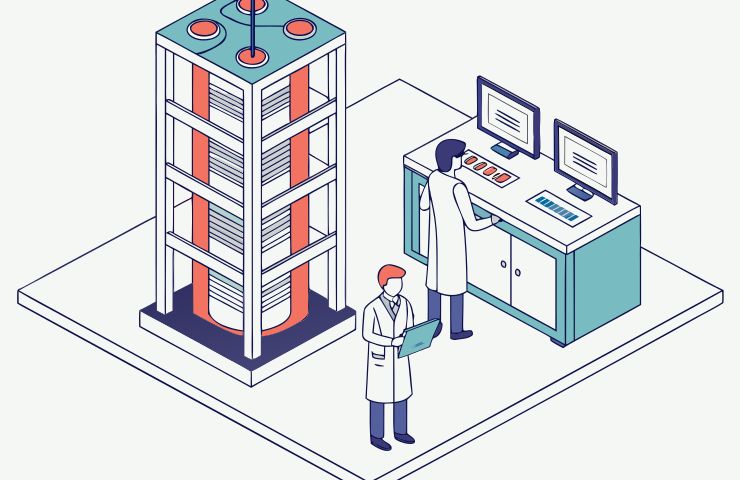
Element One Energy AS is rethinking the classic plate-and-frame stack. Their rotating design keeps gas bubbles from sticking around, maintains better wetting and cuts down on concentration overpotentials. Simulations hint at up to a 10% bump in voltage efficiency at typical current densities, and pilot-scale experiments are now underway. If the real-world numbers match the models, this twist on stack architecture could slot right in with our PFAS-free membranes and low-iridium catalysts to deliver a lean, mean green hydrogen machine.
Scaling up with Fraunhofer ISE
Taking lab demos into real-world rigs is never easy, but Fraunhofer ISE lives for that challenge. Their pilot line is churning out meter-scale membranes coated with low-iridium catalyst inks, which then get built into MEAs and packed into full electrolyser modules. These units will face endurance tests—varying loads, temperature swings, the works—to gather the lifetime, efficiency and maintenance data we need. That info is gold when you’re talking commercial licensing.
Strategic collaboration under EU frameworks
SUPREME isn’t flying solo. We’re part of the Clean Energy Transition Partnership, which brings together everything from solid oxide electrolysis under TopSOEC to traditional alkaline systems. The idea is to let different technologies compete and complement each other, rather than putting all our eggs in one basket. By teaming up academia, big research institutes and nimble SMEs, we’re building a balanced ecosystem where materials science, engineering design and industrial know-how collide.
Plus, spreading work across borders beefs up supply-chain resilience. Cutting PFAS out of the equation and trimming iridium needs means European electrolyser makers won’t be at the mercy of chemical regulations or tight overseas markets. That’s a big deal if we’re serious about 40 GW by 2030 and decarbonizing heavy industries like steel, chemicals and transport.
Economic and environmental implications
Right now, capital costs for PEM electrolysers can gobble up 60% of a project’s budget, with membranes and catalysts taking a hefty bite. By chopping iridium use by three-quarters and scrapping PFAS-related fees, we could shave several euros off the cost per kilogram of H₂—nothing to sneeze at when you’re running at gigawatt scale. On the environmental side, ditching PFAS removes the risk of forever chemicals sneaking into wastewater, easing compliance headaches. And high-efficiency recycling fits neatly into circular economy goals while cutting emissions from mining and refining.
Challenges and next steps
We’ve set some ambitious targets, but there are still hurdles: long-term membrane stability, catalyst endurance under fluctuating currents and the mechanical robustness of a spinning stack all need rigorous trials. Over the next two years, we’re lining up pilot demonstrations to test real-world performance, followed by a deep dive techno-economic analysis to nail down cost savings and life-cycle impacts.
If those trials hit the mark, the next phase is teaming up with electrolyser manufacturers and end users in steel, chemicals and transport. Scaling to multi-megawatt systems and hooking up to renewable power sources—offshore wind farms, solar parks—will be key milestones on the road to full commercialization.
As Europe races toward net-zero and energy independence, innovations like PFAS-free, low-iridium PEM electrolysis from initiatives such as SUPREME could spark the breakthrough we need in hydrogen infrastructure, unlocking a future of cleaner, more affordable hydrogen production and truly sustainable energy.
 With over 15 years of reporting hydrogen news, we are your premier source for the latest updates and insights in hydrogen and renewable energy.