Fenris Concept Pioneers a Glimpse into the Future of Sustainable Defense Mobility
June 23, 2026Out here in the stunning hills of the Liège-Seraing industrial basin, something amazing is happening! This part of Wallonia, which used to be all about heavy steel and industry, is on a whole new journey. Instead of iron and coal, it’s now pioneering sustainable defense mobility and clean hydrogen innovation.
A Hub of Innovation in Wallonia
The Liège-Seraing area, right at the heart of Belgium’s vibrant population of over 11.5 million, has swapped out its blast furnaces for state-of-the-art prototype workshops. Meet the John Cockerill Group, a name that’s been a fixture in engineering for more than 200 years! They’re taking their expertise and blending it with hydrogen technology, crafting a future where industrial revival meets the urgent need for decarbonization.
From Steelworks to Electrolyzers: Building Gigawatt-Scale Capacity
In the last decade, John Cockerill Group has really gone all out in the hydrogen game. They’ve set up a manufacturing hub that cranks out both alkaline and proton exchange membrane (PEM) electrolyzers. These innovative systems break down water into oxygen and hydrogen using renewable electricity, producing green hydrogen with zero direct CO₂ emissions. The Seraing facility is gearing up to produce electrolyzers on a gigawatt scale—plenty enough to fuel massive mobility fleets, key industrial sites, and those budding hydrogen refueling stations popping up all over the region.
Alkaline electrolyzers are all about using a liquid electrolyte for steady, high-output operation, while PEM stacks switch gears quickly, using a solid polymer membrane that adapts easily to fluctuating renewable energy sources. By bringing these two technologies together under one roof, this plant is ready to cater to both steady industrial clients and agile transport operators, boosting Europe’s dreams for a heavy-duty hydrogen infrastructure.
Forging the Fenris Concept: A Game-Changer in Defense Mobility
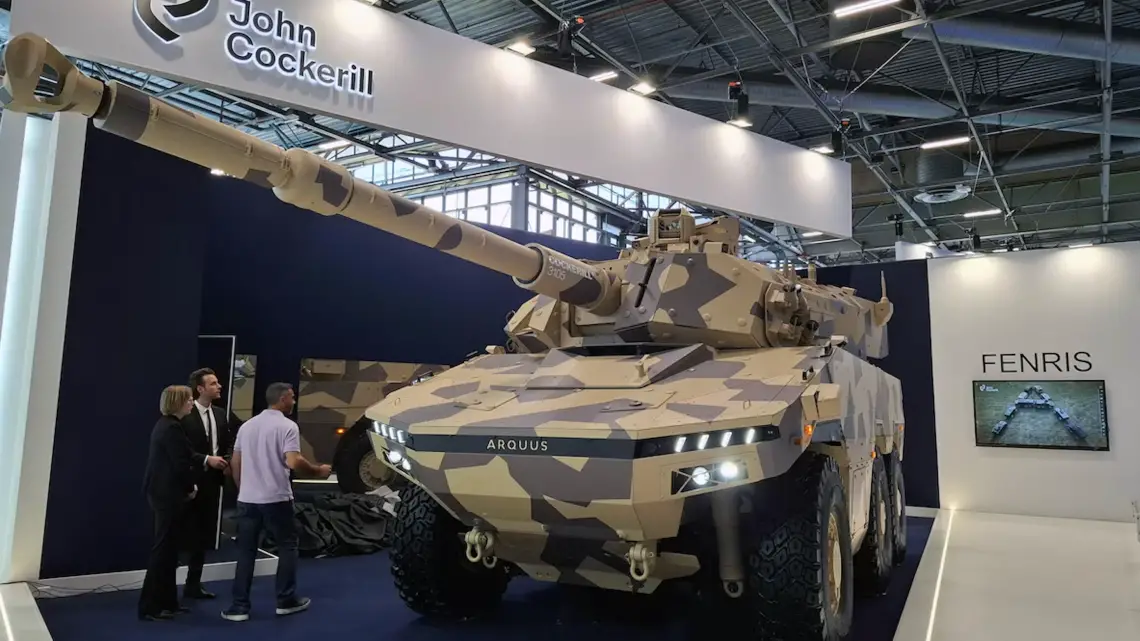
Just this month, John Cockerill Defense, along with their French partner Arquus, rolled out the curtain on the Fenris—a revolutionary armored combat vehicle concept that showcases the perfect blend of cutting-edge energy systems and military performance. Known as a “Belgian-French baby,” Fenris is designed as a modular platform for modern armed forces, packing firepower, state-of-the-art digital battle management, and options for various powertrains—think traditional diesel, hybrid-electric, and exciting possibilities like hydrogen fuel cells or hydrogen combustion configurations.
The chassis of Fenris is set to support digital command systems and modular weapon turrets, paired with strong auxiliary power systems. Previous hybrid-electric trials in Europe have shown significant reductions in fuel use, while hydrogen fuel cells bring along stealth capabilities—crucial for reconnaissance and urban operations. For military strategists, it’s a total game-changer: fewer fuel convoys, super low noise levels, and a clear road ahead toward decarbonizing military mobility.
Cross-Border Collaboration and Strategic Ambitions
Fenris is just one shining example of a larger trend: the defense and energy sectors in Europe working hand-in-hand. Belgium and France, with populations of roughly 11.5 million and 68 million respectively, are weaving hydrogen right into their decarbonization plans. Thanks to initiatives like the EU Green Deal and national hydrogen strategies, both countries have set clear goals for green hydrogen production and are rallying public-private partnerships to make it all happen.
By syncing up defense advancements with energy transitions, the Fenris team is not just boosting local supply chains but also trimming reliance on outside suppliers. This partnership beautifully illustrates how cross-border collaboration can speed up development cycles and open up new investment opportunities at the intersection of clean hydrogen and national security.
A Glimpse into the Future of Hydrogen Infrastructure
Even though Fenris is still in the concept phase, it points to a bright future for hydrogen infrastructure: high-pressure storage modules, rapid-fill stations, and on-base fuel cell maintenance facilities. Several pilot refueling locations are already operating in Wallonia and northeastern France, helping out transport and industrial users alike. And with validation in tough defense conditions, we’re sure to see hydrogen corridors spring up all over Europe.
What’s learned in the realm of armored vehicles is bound to trickle down into civilian heavy mobility—think construction machinery, freight trucks, and regional rail. Military-grade logistics could pave the way for cleaner options all around, benefiting everyone.
Driving Impact for Industry, Society, and the Environment
Fenris isn’t just a cool concept—it’s giving us a glimpse into the real benefits that come from marrying sustainable tech with crucial military applications. Hybrid-electric and hydrogen-powered options could reduce fuel consumption and emissions significantly—definitely a big deal for governments grappling with growing decarbonization targets. Plus, operating quietly is a plus for keeping training ranges and heavily populated areas peaceful.
On the economic front, this initiative is on track to create hundreds of skilled jobs in engineering, manufacturing, and maintenance across Wallonia and neighboring industrial hubs in France. As green hydrogen production ramps up, new markets will spring to life—from clean hydrogen offtake agreements to fresh export opportunities within Europe and beyond, all bolstering strategic independence in defense and clean energy.
Momentum Gaining Speed
And Fenris isn’t flying solo. It’s part of a larger wave of hydrogen news across Europe—from massive electrolyzer plants popping up in Germany to cutting-edge fuel cell research centers in Scandinavia. With billions in EU funding behind it, hydrogen production methods and storage solutions are advancing like never before. Concepts like Fenris are showing us just how powerful the partnership between defense and renewable energy can be, paving the way for a cleaner, more resilient future.


 With over 15 years of reporting hydrogen news, we are your premier source for the latest updates and insights in hydrogen and renewable energy.