
First Atlas Expands QIMC’s R2G2 Framework to Advance Natural Hydrogen Exploration in Nova Scotia
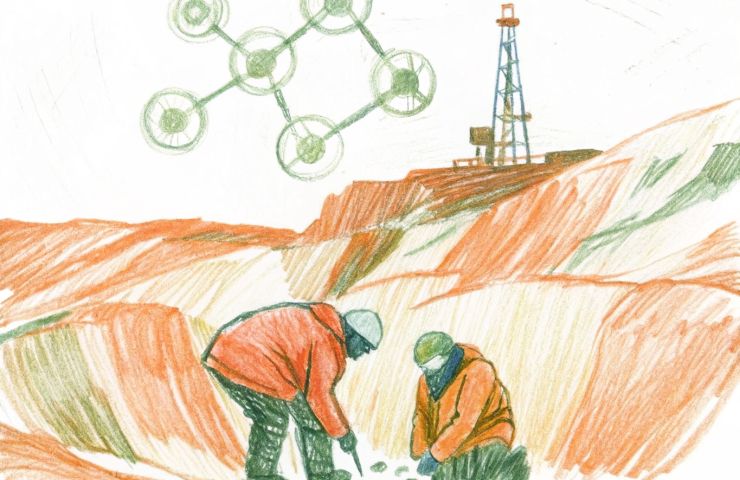
June 11, 2026First Atlas Resources is changing gears, moving away from random soil-gas tests to a more cohesive, play-based exploration plan across its Springhill and Southampton licenses in Nova Scotia. This shift comes after they saw a pretty impressive 10.77% reading for mud-gas hydrogen and a 243-meter interval rich in hydrogen at the West Advocate well, thanks to Quebec Innovative Materials Corp. (QIMC). Instead of just chasing isolated gas pockets, First Atlas is looking to map out a comprehensive hydrogen system using QIMC’s R2G2 framework. They’re focusing on the natural underground hydrogen, not the green hydrogen that involves complex electrolysis processes—but hey, it’s all about finding what’s brewing down there.
Rapid Strategy Pivot
Gone are the days of scattering drill targets where soil-gas readings peak. Now, First Atlas is integrating QIMC’s natural hydrogen targeting framework into their onshore properties at Springhill and Southampton. Recently, during a soil-gas program in Springhill, the company collected 230 samples and clocked a peak of around 1,652 ppm of hydrogen. You bet that’s enough to get any junior explorer excited, but First Atlas isn’t stopping there. They’re using those soil-gas readings alongside structural maps highlighting faults and fractures to define solid hydrogen “plays.” This means they’re more focused on consistent resource quality rather than fleeting gas seeps.
The first step focuses on two licenses, but don’t be surprised if nearby blocks at Apple River, Shulie, and Sandy are next in line. Southampton is strategically located along the Tusket River fault zone, which QIMC believes could extend the hydrogen system further west. This structured approach is a far cry from last decade’s haphazard tactics, where surface readings often led to dry holes.
Diving into R2G2 Mechanics
So, what’s the deal with R2G2? Well, at its heart, it blends structural geology with surface geochemistry and drilling data. The first “R” looks for regional corridors—basement faults or fracture networks that might guide hydrogen from deep formation zones. The second filters these corridors through soil-gas readings to pinpoint shallow anomalies. The third step checks these anomalies against rock properties, fault orientations, and existing well logs. Finally, they rank targets based on continuity, thickness, and permeability. This way, they avoid the earlier scattergun methods that often led to disappointing results in natural hydrogen exploration.
The whole operation relies on three essential datasets: reprocessed seismic or magnetic interpretations for mapping faults, shallow soil-gas measurements, and mud-gas logging from drill cuttings. The logs from QIMC’s West Advocate, which showed a vertically consistent 243-meter hydrogen interval along with that 10.77% mud-gas peak, set a great benchmark. And as First Atlas drills at Springhill, each new hole helps sharpen the play map, transforming high-stakes hydrogen exploration into a more structured, budget-friendly endeavor.
Big Picture Stakes
Natural, or “white,” hydrogen is starting to catch some serious attention as a zero-carbon feedstock without the energy demands of electrolysis or methane reforming. If they can tap into commercial accumulations, this could completely change the economics of hydrogen production and speed up the decarbonization of industries. Nova Scotia, with its history in coal mining, offshore hydrocarbon expertise, and a real push for renewable energy, is positioning itself to be a key player in this emerging frontier.
And local regulators and communities are well aware of the stakes. Given past mining incidents, old wellbores, and seismic risks, there’s a high bar for baseline monitoring. But if they can package a repeatable play framework, it could draw significant investment, paving the way for joint ventures or collaborative efforts. For a province with under a million residents, even a few reasonable hydrogen discoveries could rival local wind and tidal projects in terms of economic impact, sparking new service-sector jobs and infrastructure enhancements—think hydrogen storage plans and pipeline routes.
Backing from INRS adds credibility to the whole venture. The Québec research university has already noted various hydrogen anomalies around Springhill years ago, supporting the structural ideas now being tested with industry partners. By merging that scientific approach with QIMC’s strategy, they could set a benchmark for hydrogen infrastructure and project financing across North America.
A Word of Caution
But hold up—let’s not get ahead of ourselves. We don’t have any proven reserves just yet; we’re looking at promising signs. Sure, that 10.77% mud-gas reading is impressive, but without verified resource certifications, flow tests, or reservoir models, we can’t count on commercial volumes just yet. Soil-gas anomalies don’t always mean producible reservoirs unless critical factors like fault seals and permeability are confirmed. Let’s not forget, the fractured geology of Nova Scotia might just as easily leak shallow gas without accumulating substantial reserves.
And here’s another thing—Canada doesn’t yet have regulatory frameworks for hydrogen wells. This means First Atlas and QIMC are somewhat ahead of the game, essentially drafting the rulebook as they go. It’s definitely ambitious, but potential policy risks are always lurking—changes in royalty structures, shifting environmental standards, or community pushback on land use or seismic concerns could throw a wrench into the works.
Looking Ahead
With all this in mind, First Atlas is gearing up for its first R2G2-based drilling campaign later this year, honing in on targets where soil-gas anomalies, structural corridors, and legacy wells converge. The success of this venture will really depend on confirming that hydrogen can flow, not just be present. If they hit measurable rates and pressure responses, Nova Scotia could carve out its niche on the global map for white hydrogen. Until that happens, though, it’s all about high-risk drilling and tight financing rounds.
For those keeping an eye on hydrogen developments, be sure to follow the latest hydrogen fuel cell news, clean hydrogen updates, and federal policy tweaks from Ottawa. If white hydrogen manages to secure its place in Canada’s hydrogen strategy, expect talks around infrastructure—like pipelines, storage facilities, and export terminals—to ramp up quickly. In this budding sector, the next few meters of drill core could determine whether Nova Scotia’s Appalachian faults turn into crucial pathways for clean energy or just remain another curiosity in exploration.


 With over 15 years of reporting hydrogen news, we are your premier source for the latest updates and insights in hydrogen and renewable energy.