
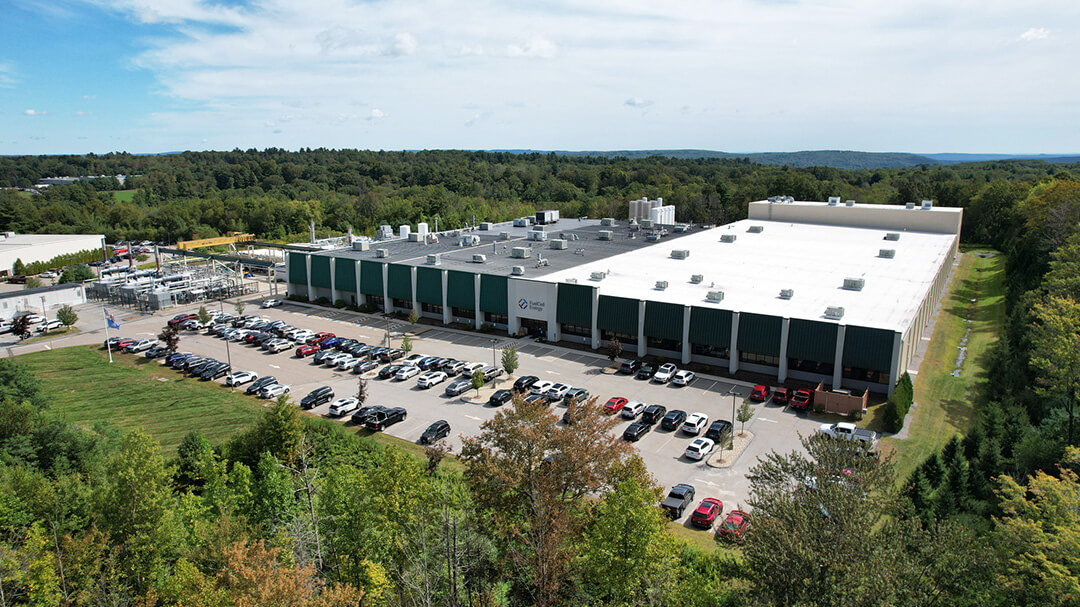
FuelCell Energy Scales Up Torrington Plant to 500 MW to Support Data-Center Demand
June 22, 2026FuelCell Energy is making some exciting moves at its manufacturing facility in Torrington, Connecticut, ramping up production capacity to an impressive annual rate of up to 500 MW. This news is making waves in the hydrogen energy world and marks a significant step forward with an investment that falls between $200 million and $275 million. It’s a big deal because it ups the ante from previous targets and underscores the firm’s commitment to providing distributed, low-carbon power solutions.
The expanded production is mainly geared towards FuelCell Energy’s 12.5 MW block systems, which are in high demand from data centers and other essential clients that need reliable power. By increasing output in Torrington, the company hopes to speed up delivery times, tackle backlogs more efficiently, and bolster its reputation with big commercial customers, investors, and lenders. This effort is part of an ongoing trend of scaling up operations in Torrington that dates back to the mid-2000s—it’s weathered disruptions like the pandemic and has always aimed for growth.
Market Impact
So, what does this expansion mean for the market? Here are some key takeaways:
- FuelCell Energy is positioning itself to grab a bigger slice of the hydrogen fuel cell market geared towards data centers, which prioritize consistent on-site power and minimal emissions.
- This move is also a gamble on corporations continuing to invest in green data centers and on-site energy generation as they work towards their sustainability goals.
- By increasing their in-house manufacturing, the company stands to cut down on unit costs, tackle any production hiccups, and potentially boost profit margins over time.
- Connecticut’s established network of fuel cell expertise and local suppliers helps minimize risk in this expansion compared to starting fresh in a new location.
Technical Snapshot
At the center of all this are the 12.5 MW Block Systems, which are modular fuel cell units converting hydrogen’s chemical energy into electricity, heat, and water through an electrochemical process. By standardizing these modules, FuelCell Energy can efficiently ship, install, and set up multi-module arrays. Expanding to a 500 MW annualized output means they’re looking at rolling out around forty of these 12.5 MW blocks every year if everything goes according to plan.
Key Takeaways
- New capacity is set to reach up to 500 MW annually, almost doubling what they aimed for before.
- They’re investing between $200 million and $275 million, which will cover new equipment, tooling, and improvements to the site.
- The main customers? Data centers and large energy users on the lookout for a robust, zero-emission hydrogen infrastructure.
- Expect quicker delivery schedules and a more efficient conversion of project backlogs.
- Being in Torrington, a city with a long-standing manufacturing history, offers a real advantage with a skilled workforce on hand.
Operational and Financial Outlook
While the expanded facility prepares FuelCell Energy for a higher output, it doesn’t come without its challenges. The company has been reporting net losses and burning through cash as it scales up. Its success will rely heavily on turning that backlog into profitable operations, effectively managing working capital, and securing funding without diluting ownership too much. However, having a manufacturing base in the U.S. might help ease negotiations with corporate and government clients who prefer domestic supply chains.
Industry and Policy Context
This initiative fits into broader U.S. efforts aimed at bolstering domestic clean-energy manufacturing. With federal and state incentives encouraging hydrogen projects amid supply chain concerns, companies in the renewables and fuel cell sectors are jumping on the chance to invest locally. In Connecticut, the plant’s growth has followed a straightforward path with no major permitting hurdles reported so far. Plus, increasing factory output supports the goal of industrializing clean hydrogen and hydrogen fuel cells, making them viable players in a decarbonized energy grid.
Local Economic Implications
The expansion in Torrington, home to around 35,900 residents with a per-capita income of about $49,345, is expected to create new job opportunities in manufacturing, engineering, and support roles—even though specific job numbers aren’t out just yet. Local suppliers of components like fuel cell stacks, metal enclosures, and balance-of-plant parts could see an uptick in orders. Construction, logistics, and service providers might also experience benefits. With state incentives for clean-energy manufacturing and regional workforce initiatives, this growth could breathe new life into Torrington’s industrial scene and boost the local economy.
Hydrogen Supply and Decarbonization
While the Torrington site will focus on producing fuel cell modules, the environmental benefits depend heavily on the hydrogen feedstocks used. FuelCell Energy designs its systems to utilize hydrogen from both natural gas reforming and fully renewable green hydrogen generated through electrolysis. As the costs of electrolyzers decrease and renewable energy scales up, combining the expanded manufacturing capabilities with local electrolytic hydrogen production and on-site storage could significantly reduce greenhouse gas emissions. Effective networks for hydrogen storage and delivery will be crucial to realizing the low-carbon potential of these modular fuel cell installations.
Peer Comparison
Recently, various fuel cell developers have also announced plans to increase capacity for distributed power markets. Unlike smaller producers, FuelCell Energy’s 12.5 MW blocks are among the largest standardized units available. By opting to expand an existing facility, the company is leveraging a skilled workforce and established supply chains, avoiding the long wait times associated with new factories. This strategy sets them apart from competitors launching new plants in untapped regions, where they face higher initial costs and scaling challenges.
Expert Viewpoint
Industry experts caution that hitting that 500 MW mark will put the company’s manufacturing processes and quality control to the test. Securing volume discounts on essential components like membranes and catalysts will be key to cutting down per-unit costs, but it needs to go hand in hand with efficient production practices. Strong capital backing and visible production lines can increase customer trust, making it easier to lock in those all-important offtake agreements. For FuelCell Energy, navigating supplier relationships and training their workforce is just as essential as building out the factory infrastructure itself.
As this new production line comes online, eyes will be on how they perform in terms of delivery, cost management, and product reliability. If FuelCell Energy can turn its expanded capacity into competitive, low-emission power solutions for data centers and major energy users, then this investment in Torrington might just set a new standard for hydrogen infrastructure manufacturing across North America.


 With over 15 years of reporting hydrogen news, we are your premier source for the latest updates and insights in hydrogen and renewable energy.