
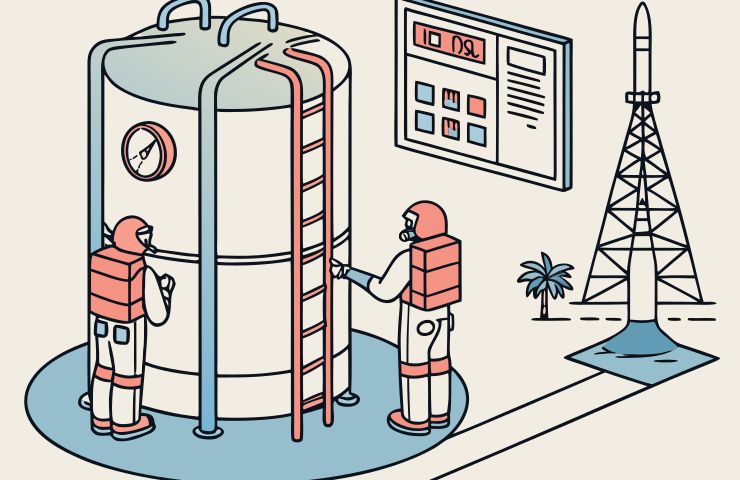
GenH2 Advances Hydrogen Storage with New Cryostat CS900 Simulation Platform
February 18, 2026Imagine walking into a lab chilled to a bone-freezing -253°C where liquid hydrogen sits waiting—no rocket engine in sight, just a sleek chamber humming away with pumps and sensors. If you’ve been tracking hydrogen storage and the race for sustainable energy, you know how a tiny drip of boil-off can stall a big idea. Today, GenH2 is calling on engineers to pick apart every seal and weld, all in the name of crafting reliable, zero-loss supply chains.
Earlier this year, GenH2, the Florida spinoff of Path2 Hydrogen AG, flipped the switch on its Cryostat CS900 Liquid Hydrogen Simulation Test Platform down in Titusville. The 60,000-square-foot site—once a playground for NASA’s finest—now plays out real-world liquefaction, transfer, and storage cycles on demand. The mission? To fast-track fixes for commercial hydrogen infrastructure ranging from heavy-haul trucks to regional airliners.
The startup’s story kicked off in late 2020, fuelled by clean energy investors and tech allies. By 2022, its LS20 Mobile Liquid Hydrogen System was rolling into pilot spots; earlier this year, that very rig fueled drones on tap. Now, GenH2 has added a new dimension—deep-dive testing in-house so materials and processes get a green light before hitting the tarmac.
Space Coast Meets Cryogenics
Put simply, Titusville is the OG of cryo know-how. Since the Mercury-Gemini-Apollo days, engineers here have honed the art of storing and pumping liquid hydrogen at scale. By dropping its testbed into this legendary hub, GenH2 taps rocket-fuel veterans to help move aerospace tricks into commercial gear—an ace up its sleeve for industrial decarbonization.
From Rocket Labs to R&D Sandbox
The heart of the operation, the Cryostat CS900, is basically a lab-scale mirror of a full-size refueling station. It loops LH2 through piping networks that look and feel like the real deal, logging temperature swings, pressure spikes, and even micro-vibrations. Picture it as a failure-hunting playground—dialing in leak paths or material fatigue long before any component ships.
Testing Zero-Loss Controlled Storage
One of the coolest features? Zero-Loss Controlled Storage, GenH2’s patented antidote to routine venting. Hooked up with partner tanks from Taylor-Wharton, it keeps things chill without losing a drop. Tests on the CS900 help fine-tune the control algorithms, insulation foams, and valve choreography—little things that make or break a 24/7 fueling station.
LS20 on the Move
While the cryostat does its thing, the LS20 Mobile Liquid Hydrogen System stands by. This compact powerhouse has been right there fueling UAVs and small test rigs, proving that portable LH2 production can cover remote outposts too. Running mobile outputs against simulated distribution loops shines a light on real-world snags before they slow you down.
Building a Collaborative Ecosystem
GenH2 hasn’t gone solo. It’s teaming up with Bosch Rexroth on fluid controls, linking arms with Hyroad Energy on station architecture, and tapping university brains in Melbourne and South Dakota to cook up new cryo-alloys. All CS900 data flows into an open portal, so equipment makers can benchmark against shared protocols.
We’re at a turning point for industrial decarbonization. Around the globe, policies are nudging trucking and aviation toward zero-emission technology and green hydrogen. But for LH2 to truly win hearts and wallets, it has to be cost-competitive—meaning losses get slashed and hardware gets standardized. A testbed like this takes the guesswork out of early adoption, laying the groundwork for supply chains that span highways, ports, and runways.
Why Rigorous Testing Matters
Imagine a refueling hub that vents just 5% of its LH2 every month—fuel gone, revenue down the drain. By replaying those exact scenarios under lab conditions, GenH2 can hand stakeholders rock-solid performance data before they sign on the dotted line. That kind of transparency speeds up approvals, sweetens financing deals, and ultimately lights the spark under station build-out.
It doesn’t stop at transport. Findings from the CS900 will feed designs for maritime bunkering, backup power centers, and mega-scale production hubs. Every use case benefits from battle-tested insights into insulation, piping layouts, and control strategies—key ingredients for a bulletproof hydrogen infrastructure.
CEO Greg Gosnell often says it’s time to shift from one-off prototypes to modular, mass-manufacturable builds that click together like Lego. Validating these systems in Titusville can shave months off project timetables and trim surprise costs—details that matter when you’re scaling a global hydrogen network.
Sure, Titusville itself doesn’t crank out hydrogen, but its pedigree in extreme-cold systems is pure gold. As renewable projects spring up from desert solar farms to offshore wind arrays, having a proven testbed on the Space Coast means lab-born ideas can sprint straight to field ops.
Looking ahead, GenH2 intends to fling open the CS900 to third-party auditors and certification bodies, rolling out standardized test protocols any gear maker can follow. If everything clicks, our hydrogen infrastructure will rest on a foundation of shared data, trusted designs, and the steady hum of a cryostat in Florida—proof that sustainable energy can roll out without a hitch.


 With over 15 years of reporting hydrogen news, we are your premier source for the latest updates and insights in hydrogen and renewable energy.