GenH2 and FASTECH to Install Zero-Loss Hydrogen Storage at GET Bus Facility
GenH2 and FASTECH will install a zero-loss liquid hydrogen storage system using patented heat lift technology and a 15,000-gallon Taylor-Wharton tank at GET Bus’s Bakersfield facility to support its zero-emission fleet.
Liquid hydrogen boil-off has always been the elephant in the room when it comes to putting fuel cell technology buses on the road. But now there’s a new contract that could finally clamp down on those pesky losses, making zero-emission technology not just a buzzword but a practical reality—especially in areas pivoting from oil to renewables.
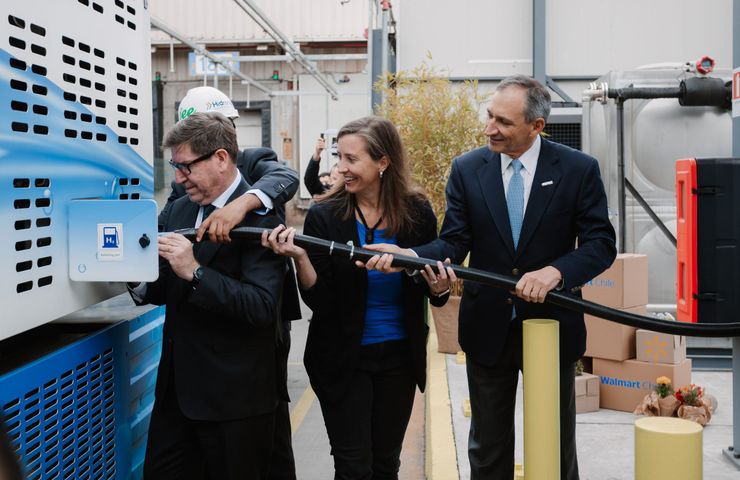
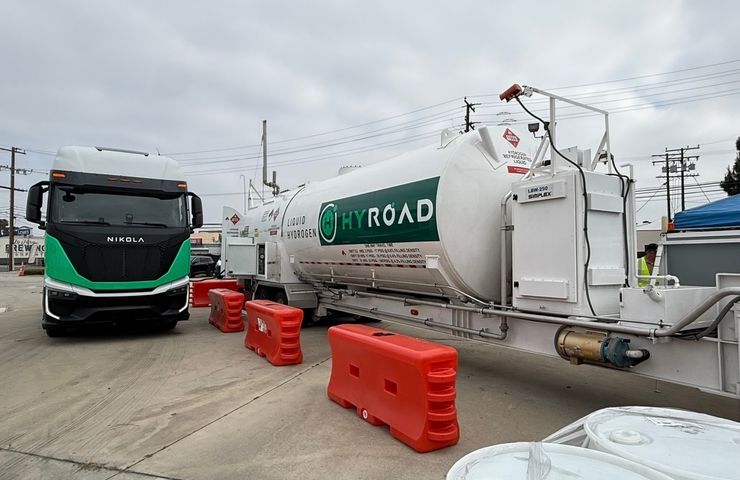
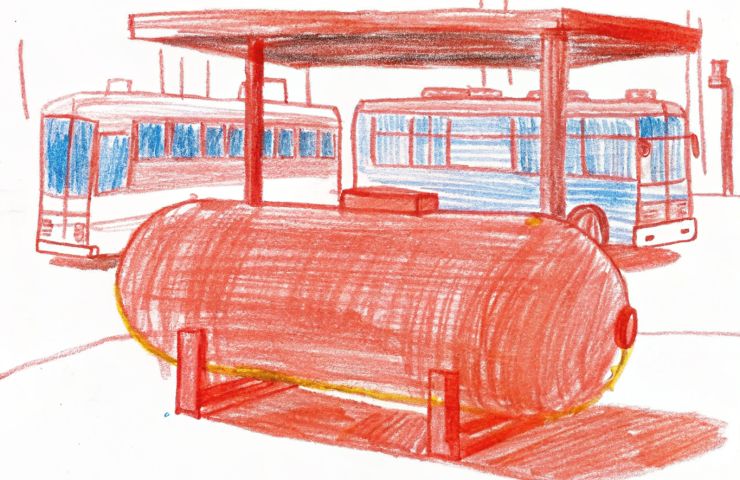
GenH2 Corp., a spin-off from Switzerland’s Path2 Hydrogen AG (XETR: PTHH), teamed up with Fueling and Service Technologies, Inc. (FASTECH) to win an award from the Golden Empire Transit District (GET Bus). Their mission? Install a zero-loss liquid hydrogen controlled storage system at GET Bus’s existing fueling hub in Bakersfield, California. This isn’t your run-of-the-mill setup—it combines GenH2’s patented heat lift technology and state-of-the-art cryogenic refrigeration inside a massive 15,000-gallon Taylor-Wharton tank. Translation: no more boil-off during storage, fueling, or refills. Announced this month, the contract slots perfectly into GET Bus’s aggressive expansion of its zero-emission technology fleet, all under California’s strict clean energy playbook.
Companies and Technology
GenH2 Corp. is all about zero-loss cryogenic solutions, using its proprietary heat lift technology to keep liquid hydrogen chill. Their parent, Path2 Hydrogen AG, is busy rolling out hydrogen infrastructure across Europe and North America. On the flip side, FASTECH brings the engineering, construction, and station-installation street smarts—remember their hydrogen refueling station for Iwatani Corporation in California? Together, they’re the dream team for transit agencies that want reliable, efficient hydrogen storage and fueling stations.
Technical Overview
At the heart of this system is a slick closed-loop refrigeration cycle that uses helium as a secondary coolant. With GenH2’s heat lift technology, cryo-compressors yank heat out of the liquid hydrogen, keeping it just below its boiling point—no venting needed. The Taylor-Wharton tank is wrapped in vacuum-jacketed piping and multilayer insulation to fend off unwanted warmth. Digital control modules keep an eagle eye on pressure and temperature, tweaking compressor speeds in real time. That kind of precision means operators can schedule fueling events without losing sleep over daily losses—storing hydrogen until it’s time to move.
Strategic Significance
California hasn’t exactly been playing defense when it comes to hydrogen infrastructure. The state’s Advanced Clean Trucks rule is pushing public transit fleets to ramp up zero-emission technology through the 2020s, while Hydrogen Refueling Infrastructure grants are funneling cash toward stations for everything from light-duty cars to heavy-duty buses. By cutting boil-off almost to zero, GenH2 and FASTECH are answering the call. For GET Bus, this isn’t just about keeping up with regulations; it’s about gearing up their 20-bus fleet for future growth and nailing those air quality and greenhouse gas targets.
Regional Context
Bakersfield sits in the heart of the San Joaquin Valley, a place historically torn between agriculture and oil production. Kern County still pumps out over 70% of California’s oil, but sunny skies and wide-open spaces have also made it a magnet for solar and wind farms. Even with all that renewable energy rolling in, the valley’s air quality has been a perennial headache. Local agencies are trialing zero-emission technology transit solutions, and the GET Bus hydrogen facility is a perfect fit—melding renewable ambitions with advanced cryogenic hydrogen storage to cut fossil fuel dependence.
Industry Impact
This project isn’t just a one-off—it's poised to flip the script on how heavy-duty operators view liquid hydrogen. Picture ports, airports, and long-haul trucking companies where reliability is king and fuel volume is non-negotiable. By slashing boil-off rates, logistics become simpler, and supply chains get a serious confidence boost. Proving that hydrogen storage can hold steady long-term without venting tackles a big technical and economic hurdle. Once transit agencies see these gains, cryogenic storage could eclipse compressed gas as the industry favorite.
Historical Echoes
Managing liquid hydrogen boil-off isn’t exactly new—it dates back to NASA’s Mercury and Apollo days. Back then, Linde and Air Liquide cooked up insulation tricks for rocket fuels, but those systems were bespoke and bank-breakers, confined to aerospace labs. What GenH2 is doing feels like history coming full circle—taking tried-and-true cryogenics and layering on modern digital controls to make them plug-and-play for commercial hydrogen infrastructure.
Comparative Projects
Along the West Coast, you’ll find a mix of high-pressure gaseous storage and smaller liquid tanks. Iwatani Corporation’s Southern California station runs on compressed hydrogen, and Shell has rolled out several 700-bar sites. The GET Bus setup stands out by scaling up liquid hydrogen storage to an industrial level—something you used to only see at gas suppliers. FASTECH’s hands-on experience with the Iwatani build gave them the lowdown on squeezing cryogenic gear into tight station footprints.
Environmental and Economic Benefits
Keeping nearly 100% of the hydrogen locked in means almost zero vented gas, which is a win for both the planet and the bottom line. Every gallon of liquid hydrogen preserved translates to more fuel per delivery, cutting transport and supply chain costs. For public agencies like GET Bus, those savings can be funneled back into fleet upgrades, new routes, or service improvements—sort of a virtuous cycle for regional decarbonization.
Forward Outlook
Installation kicks off later this year, followed by commissioning and hands-on performance testing. Expect a treasure trove of data on refrigeration energy use, loss rates, and uptime that’ll shape future deployments. GenH2 says its modular platform can scale from a few thousand to tens of thousands of gallons, so it’s flexible enough for all kinds of applications. If the system hits its marks, we could see a domino effect of orders from transit agencies, industrial players, and anyone eyeing hydrogen as their next zero-emission technology fuel.
All told, the GET Bus project showcases the technical, regulatory, and economic pieces falling into place for hydrogen to go mainstream. Nail this, and you’ve set the stage for a network of zero-loss hydrogen storage sites, speeding up the march toward decarbonized heavy-duty transport.