
Geologic Hydrogen Production Gains Momentum in US Military and Michigan Initiatives
February 20, 2026Ever wondered what might be hiding beneath our feet—beyond oil and natural gas? The U.S. Air Force and the State of Michigan are betting big on geologic hydrogen, that naturally formed H₂ stored in deep rock formations. And no, this isn’t a science-fiction script—within months, we could find out if bases from Montana to Kansas—and maybe even the Great Lakes—can tap this underground stash to power generators, hydrogen fuel cells and turbines with zero emissions and extra reliability.
On the military side, the Air Force Civil Engineer Center’s Office of Energy Assurance just kicked off an eight-month research push. They awarded a contract to Renaissance Philanthropy, which will run the feasibility study under the Chimaera Fund. The team will comb through data from commercial wells within a 200-mile radius of Malmstrom Air Force Base in Montana and McConnell Air Force Base in Kansas. Their to-do list? Estimating flow rates, building cost models, mapping out hydrogen infrastructure gaps, and flagging any engineering or environmental snags.
Meanwhile, in the heartland, Governor Whitmer’s executive order launched the Michigan Geologic Hydrogen Exploration and Preparedness Initiative. Under this directive, EGLE and the Department of Natural Resources are diving into studies—due early April—on everything from regulatory authority and subsurface leasing to workforce needs and economic opportunity. With the Midcontinent Rift running under Lake Superior into Wisconsin (and beyond), Michigan wants to stake its claim before anyone else catches on.
Unconventional Fuel from Deep Below
Think of geologic hydrogen as nature’s shortcut around traditional hydrogen production methods—no electrolyzers, no fossil feedstocks. This H₂ seeps out of fractures in volcanic or crystalline rocks and pools in porous formations, much like natural gas. Burn it, and the only byproduct is water, not CO₂. The U.S. Geological Survey pegs global subsurface deposits at a jaw-dropping 5–6.2 trillion tons, with hot spots in the Four Corners, California’s coast, the Eastern Seaboard—and yes, right under Michigan.
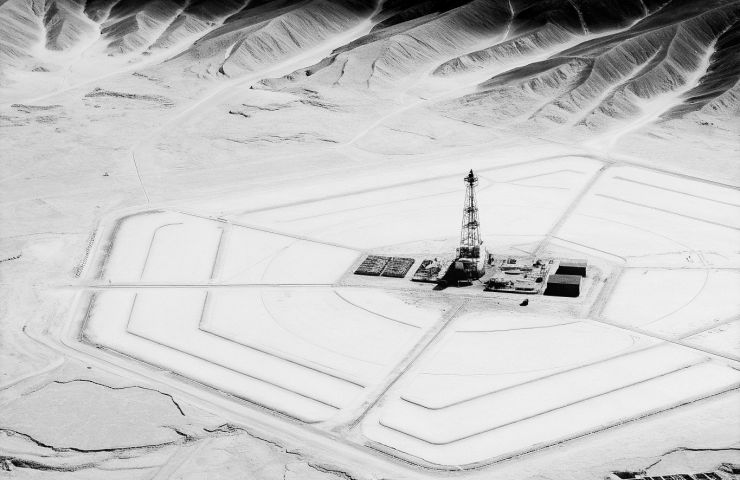
Extracting it isn’t wildly different from drilling for gas. Teams use seismic imaging and well logging to zero in on saturated zones, then drill with modified rigs. Pioneers like Koloma Inc. have already sunk exploratory wells, hinting at a commercial frontier that could ride on decades of oil-and-gas expertise.
Military Resilience Meets Clean Energy
For the Air Force, the upside is crystal clear. Relying on a single fuel can be risky—diesel convoys are expensive and vulnerable. Imagine generating power right on base with hydrogen-capable turbines or feeding backup fuel cells for critical systems. Traditional pathways—electrolysis or reformation—“just don’t pencil out” for forward installations, internal briefings say. If geologic hydrogen proves cost-competitive, bases could slash logistics tails and harden energy security in one stroke.
And this isn’t pie-in-the-sky thinking. It dovetails perfectly with broader Air Force energy goals: diversify power sources, trim carbon footprints, and keep the lights on—even in contested environments.
State-Led Exploration in Michigan
Michigan’s game plan mirrors the military’s, but with a local spin. Beyond cutting emissions, the state is eyeing job creation in drilling, monitoring, and hydrogen storage management. Regulators have to untangle legal puzzles—who owns the H₂ underground? Who issues permits? How do we protect groundwater and surface ecosystems?
They’re also checking workforce readiness. Are there enough geologists, drillers, technicians, and engineers to staff pilot programs? The goal is to make Michigan a hub for sustainable energy know-how, training folks while the Air Force runs its demos.
Technical Toolbox and Commercial Players
This venture leans heavily on existing oil-and-gas tech. Seismic surveys detect likely reservoirs. Well logs confirm porosity and pressure. Once H₂ flows, you’ve got choices: fire up hydrogen-capable turbines to spin generators, or channel it into hydrogen fuel cells for near-instant electricity. The Chimaera Fund’s RFI is already scouting techno-economic experts, policy mavens, and industry partners to line up the right collaborators.
Regulatory Pathways and Barriers
Regulations could make or break this effort. At the federal level, it’s still unclear whether geologic hydrogen counts as a leasable mineral under the Mineral Leasing Act. The Air Force is watching that debate like a hawk. In Michigan, EGLE is parsing environmental statutes while the Department of Natural Resources explores subsurface rights. Permitting, royalties, and safety standards might all need a fresh coat of paint before rigs start rolling.
Scaling Up and Future Outlook
So far, Mali hosts the only running geologic hydrogen project, producing about five tons a year. That’s a drop in the bucket compared to a potential global demand of 500 million tons annually. We’re still in proof-of-concept territory, not full-scale production. But the pitch is compelling: use seasoned drilling crews, tap a low-carbon fuel, and sidestep the cost drag of electrolysis.
By April, we’ll get the first study results and policy roadmaps. If the numbers line up, expect to see pilot wells sprouting on Air Force land or along Michigan highways in the next couple of years. And that could be the spark that ignites a truly sustainable energy revolution—one powered by the Earth itself.

 With over 15 years of reporting hydrogen news, we are your premier source for the latest updates and insights in hydrogen and renewable energy.
