German Factory Launches Chinese-Designed Alkaline Electrolyser for Green Hydrogen Production
RCT GH Hydrogen’s Saarbrücken plant begins assembling a 5 MW alkaline electrolyser, marking Europe’s first Chinese-designed unit made on local soil for cost-effective green hydrogen.
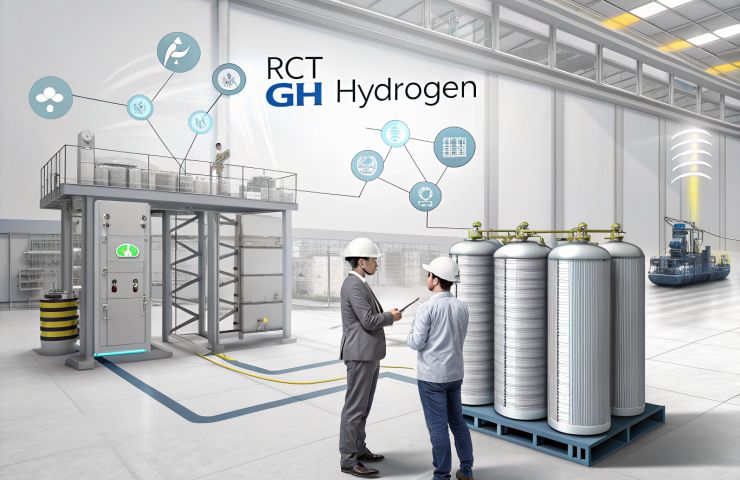
Partnership Unveiled to Accelerate Green Hydrogen Production
Forget red tape—this month, RCT GH Hydrogen (the joint venture between Germany’s RCT Holding and China’s Guofu Hydrogen Energy Equipment Co., Ltd.) fired up its first 5 MW alkaline electrolyser assembly line in Saarbrücken. The goal is simple: bring sharp, Chinese-designed tech onto European soil, dodge import hassles, and boost local supply. It’s a bold shot at shaking up Europe’s green hydrogen production.
The Idea Is Simple but Powerful
At its heart, the process is classic pressurized alkaline water electrolysis: water and electricity split over nickel electrodes in a potassium hydroxide bath, making hydrogen on one side, oxygen on the other. Crank up the pressure to 1.6–3.2 MPa and you cut out extra compression steps. In plain terms, you plug in renewable power, get clean hydrogen, and only water vapor drifts away.
Solving Real-World Problems in Industry
With electrolyser manufacturing Europe still playing catch-up, industrial giants—from steel mills to chemical parks—are itching for green hydrogen to shrink their carbon footprint. That’s where the new assembly line shines, churning out reliable units without the usual months-long wait for overseas parts. By marrying Germany’s legendary engineering chops with Guofuhee’s proven stacks, this venture slashes deployment times and costs, making green hydrogen a plug-and-play option for heavy industry across the continent.
Made in Germany, Made for Europe’s Future
The Saarbrücken facility launched with a 250 MW-per-year capacity, teaming up with local names like Brück for forging and fabrication. That “made in Saarland” label isn’t just PR—it slashes import tariffs, unlocks EU IPCEI hydrogen support, and taps into Saarland’s industrial cluster. Best of all, it’s creating a pipeline of local hydrogen jobs, from assembly technicians to service engineers, as production ramps up.
Environmental and Economic Upside
When you scale green hydrogen production right, you’re looking at trimming hundreds of millions of tonnes of CO₂. Early numbers suggest local assembly could shave supply costs by about 30% compared to imports. And as more renewables juice the grid, these electrolysers run cleaner and cheaper, nudging green hydrogen toward price parity with gray hydrogen at roughly €3–5/kg.
Looking Ahead: Scaling and Security
Down the road, RCT GH Hydrogen will start churning out electrolyser stacks in Thuringia and set its sights on 1 GW of yearly capacity. It’s a neat showcase of East-West collaboration, but it also stirs up questions about relying too heavily on Chinese intellectual property. EU policymakers are watching this play out, juggling the need for pace with Europe’s strategic autonomy.
All told, this partnership is about tapping local know-how, cutting through real-world decarbonization hurdles, and charting a clear path for Europe’s hydrogen economy. By melding German engineering prowess, Chinese innovation, and solid EU backing, RCT GH Hydrogen is laying the groundwork for a cleaner, more resilient energy future.