
Germany Shifts to Hydrogen Derivatives for Smarter Hydrogen Infrastructure
June 22, 2026Germany is ready to shake things up big-time. Instead of getting bogged down with those hefty pressure tanks and complicated pipelines, folks in the industry and policymakers are shifting their gaze towards hydrogen derivatives—think ammonia, methanol, and synthetic fuels. These smart alternatives are set to revamp the hydrogen infrastructure and open up fresh paths in power, industry, and transport.
When H2 Hits a Wall
You know the routine: break down water using renewable energy, then compress or liquefy the hydrogen, and finally, ship and store it under serious conditions. But, let’s be honest, there are still obstacles hanging around. Putting together new pipelines or retrofitting the old ones isn’t exactly a quick or cheap endeavor. And let’s not even get into the headaches of storing stuff under pressure. Throw in the added complexity of shipping in cryogenic tanks, and you’ll see why investors are hesitating, worried about those uncertain revenue models. The end result? A ton of pilot projects but a painfully slow commercial rollout for green hydrogen.
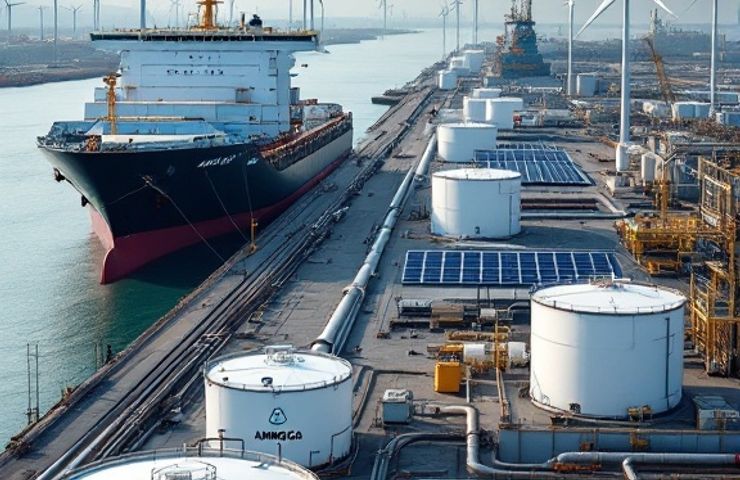
Germany’s landscape boasts strong wind and solar resources, but the country doesn’t have a treasure trove of fossil fuels, leaving it vulnerable to market shifts. Recent energy supply hiccups have really highlighted the need for a more diversified import strategy. Yes, pure hydrogen pipelines sound great in theory, but building those networks from scratch might take decades. Switching gears to molecule carriers can easily fit into ports and pipelines already set up for similar chemicals, adding a much-needed layer of fast-tracked supply security.
The Magic Ingredient
Here’s where it gets exciting: when you bond hydrogen atoms with other elements, you create energy-dense molecules that can seamlessly work within current systems. Take ammonia, for instance—traditionally made through the Haber-Bosch process, combining hydrogen and nitrogen. Or consider methanol, which comes from blending hydrogen with captured carbon dioxide. Synthetic fuels follow closely behind. These are all tried-and-true hydrogen production methods that allow us to use standard tanks, ships, and distribution networks, meaning no extra hardware is needed! How cool is that?
Benefits That Pack a Punch
- Optimized hydrogen infrastructure: We can tap into conventional storage and transport assets instead of building specialized facilities from scratch.
- Advanced hydrogen storage methods: Store carriers like ammonia at normal conditions, slashing those heavy compression costs.
- Faster project bankability: Molecule-based offtake agreements help reduce uncertainty in the market.
- Sustainability baked in: Life-cycle assessments track the carbon footprints from production to end use.
- A leap in clean hydrogen news: A singular value chain encompasses production, shipping, and utilization across various sectors.
This strategy cuts out the whole “build-from-scratch” mentality. You can easily scale up electrolysers, feed these molecules into ports or pipeline networks, and deliver energy right where it’s in demand. It’s a total game-changer in clean hydrogen news and a solid bridge between pilot projects and industrial-scale operations.
Proof in Practice
Over in Germany, we’re seeing states and companies line up for major hydrogen projects. Industrial clusters are eyeing ammonia for use in everything from steel to fertilizer feedstocks. Aviation players are even testing out synthetic kerosene blends on smaller flights. Shipping firms are cooking up plans for ammonia-fueled vessels too. In the chemical sector, refineries are blending ammonia to decrease carbon intensity; steelworks are experimenting with hydrogen in direct-reduction furnaces; and manufacturers of heavy-duty vehicles are contemplating methanol as a viable fuel for long-haul trucking. Each of these demonstrations adds valuable real-world data on performance and costs. The government’s aim to expand the national advisory council toward hydrogen derivatives and molecules intends to create a coherent roadmap, merging these pilot schemes and boosting overall hydrogen production capacity.
Fuel for Thought: Strategic Drivers
Germany has been pouring funds into electrolysis pilots, regional hubs, and international partnerships since releasing its National Hydrogen Strategy. While that sounds great, many projects hit the brakes at the financing stage due to hazy revenue streams. By switching focus to molecules, policymakers are looking to tie together funding programs, plans for industry growth, and import strategies into a smooth execution plan.
The revamped advisory council is set to provide market-oriented guidance on mechanisms like contracts for difference, price guarantees, and tools for sharing risks. These steps tackle the roadblocks that have made investors wary: unclear business cases and the distribution of risk across the hydrogen value chain. By bringing in stronger economic insight to advise on support schemes and contracts, projects based on derivatives can finally clear the investment hurdle.
Guarding the Green Ethos
But let’s not forget, molecules can be risky if sustainability standards aren’t kept in check. Bringing in ammonia from processes that rely on fossil fuels can muddy the waters of life-cycle emissions. That’s why the revamped advisory council will focus on strict sustainability criteria, ensuring that imported carriers genuinely deliver low carbon footprints. Robust certification schemes and transparent carbon accounting will be crucial in preventing greenwashing and maintaining trust in burgeoning clean hydrogen news markets.
Looking Beyond Borders
Europe is keeping a close eye on all of this—this could set the stage for EU-level regulations regarding hydrogen infrastructure and market rules. By broadening the scope of molecules, the EU can design interconnected corridors that transport ammonia and methanol instead of pure hydrogen, cutting down on infrastructure costs and timelines. Companies will have the chance to roll out engines and turbines already certified for these carriers, while ports and pipelines can evolve at a natural pace. It’s an all-in approach that tackles energy security, boosts industrial competitiveness, and meets climate targets all at once.
What’s Next?
We’re on the brink of what could be a revolutionary era. The pivot towards hydrogen derivatives isn’t just a minor tweak—it’s a substantial shift that unlocks flexible hydrogen production methods, makes use of existing hydrogen storage methods, and speeds up rollout across different industries. Now, the critical question is: can Germany turn this streamlined governance vision into practical, shovel-ready projects and fresh export markets? If they get it right, we might see a ripple effect where ports, airports, and industrial hubs across the globe redesign their energy systems around these multifunctional molecules.
Whether you’re a tech innovator, an investor, or a regulator, this transition towards a molecule-focused model emphasizes the need for collaboration. Industry players should test entire value chains, regulators must move from hydrogen-centric rules to ones that include various molecules, and financial institutions will need to adjust risk models to suit chemical synthesis cycles. It’s a high-stakes gamble, but one that could finally pave the way for the rapid decarbonization that’s been on everyone’s wish list.

 With over 15 years of reporting hydrogen news, we are your premier source for the latest updates and insights in hydrogen and renewable energy.