Global X Hydrogen ETF: Diversified Access to the Hydrogen Economy
April 9, 2026When you’re eyeing the clean energy revolution, few sectors grab headlines like hydrogen. Global X Hydrogen ETF has thrown its hat in the ring with three specialized exchange-traded funds, giving investors direct exposure to a booming part of the hydrogen economy. Whether you’re in North America, Europe or Australia, you’ve got a dedicated hydrogen play to match your region’s markets.
Could hydrogen funds fuel your next portfolio win?
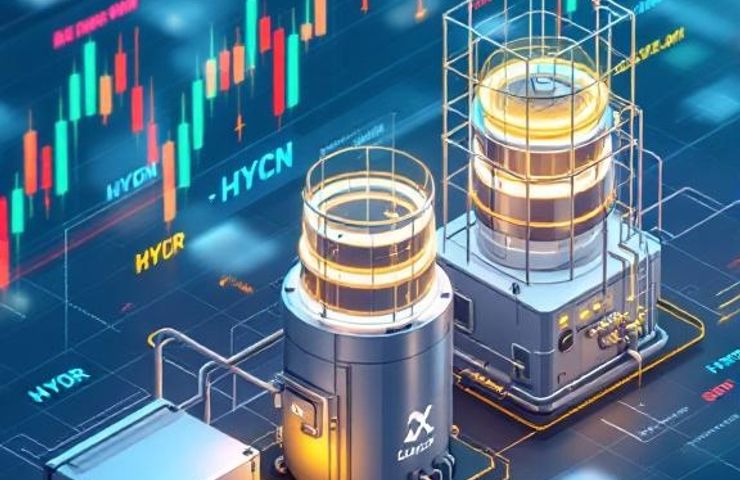
With governments racing to hit net-zero targets and companies scrambling to cut carbon, money’s flooding into everything from electrolyser technology to hydrogen fuel cells. That surge has made hydrogen one of the hottest themes in clean energy ETFs. Global X Hydrogen ETF kicked off its U.S. offering, HYDR, back in mid-2021, then rolled out the Ireland-domiciled UCITS fund HYCN in early 2022, and didn’t stop there—soon after, the Australian-listed HGEN hit the market. All three share a sleek 0.50% expense ratio, so you can tap the entire hydrogen value chain without fuss.
How do these hydrogen ETFs operate?
Each ETF toes its own benchmark line but they’re all chasing the same goal: replicating a Solactive hydrogen index or using a modified market-cap approach. Here’s the skinny:
- HYDR (U.S.): Chases a 27-stock, market-cap-weighted index focused on the hydrogen scene; AUM sits around $59 million.
- HYCN (Europe UCITS): Fully clones the Solactive Global Hydrogen index with 20 names on board; it has an accumulating policy and about €19 million in AUM.
- HGEN (Australia): Mirrors the Solactive Global Hydrogen ESG index, spanning 30 firms across developed markets and select Asia-Pacific players.
Who’s powering these portfolios?
The top holdings really tell the story of commercializing hydrogen tech. For instance, in the UCITS fund:
- Bloom Energy: Leading the pack in solid oxide fuel cells (around 19.4% of HYCN; 13.9% of HYDR).
- Plug Power: Known for its versatile fuel cell systems in material handling and stationary power (14.5% of HYCN; 11.9% of HYDR).
- Doosan Fuel Cell: South Korea’s go-to for fuel cell solutions (13.2% of HYCN; 12.6% of HYDR).
- Other staples include Ballard Power Systems, ITM Power and NEL ASA.
What technology is driving the hydrogen economy?
Grasping the tech lineup sheds light on why these stocks tend to move in sync:
- Proton Exchange Membrane (PEM) Fuel Cells: They mash hydrogen and oxygen into electricity, water and heat via a special polymer membrane.
- PEM Electrolysis: Uses that same membrane trick to split water into hydrogen and oxygen—fast response, ultra-pure output.
- Alkaline Electrolysis: An established, cost-efficient way to churn out hydrogen at scale using an alkaline solution.
- Solid Oxide Fuel Cells (SOFC): Run hot, delivering electricity and heat side by side for a boost in overall efficiency.
Why consider these ETFs now?
Dropping these hydrogen-themed funds into your mix comes with perks:
- Diversified exposure to hydrogen fuel cells, electrolysers, infrastructure and production players.
- Global span—from U.S. innovators to Asian manufacturers and European electrolyser specialists.
- Professional index oversight by Solactive AG, fund services via SEI Investments and custody through Brown Brothers Harriman.
- Backed by growing government support for hydrogen in Europe, Asia and North America.
Are there any red flags?
Don’t forget: hydrogen’s still coming of age. Keep an eye on:
- High volatility: HYDR popped nearly +97% over a year but tumbled about 29% in 2024 and around 39% in 2023.
- Concentration risk: The top three firms eat up almost half of HYCN’s pie.
- Policy dependence: Subsidies and incentives can make or break project economics.
- Infrastructure gaps: Until refueling and distribution networks catch up, growth could stall.
- Small fund size: HYCN’s €19 million AUM might limit liquidity down the road.
Looking ahead: the path for hydrogen investing
The shift to clean power is far from over, and hydrogen’s role is poised to grow. As electrolyser costs come down and fuel cell deployments ramp up, these clean energy ETFs could ride a wave of industrial decarbonization, cleaner transport and smarter power generation. Holding HYDR, HYCN and HGEN is a one-click way to join that journey—while acknowledging the sector’s ups and downs. Whether hydrogen emerges as a keystone of a net-zero future will hinge on tech advances, policy backing and robust infrastructure. But right now, you can stake a claim in that story with Global X Hydrogen ETF on your side.


 With over 15 years of reporting hydrogen news, we are your premier source for the latest updates and insights in hydrogen and renewable energy.