Gotlandsbolaget selects ESK Energy Storage for battery system on Gotland Horizon X
Gotlandsbolaget awards ESK Energy Storage a contract for the battery system on its hydrogen-ready Gotland Horizon X ferry, accelerating zero-emission maritime transport under EU Fit for 55.
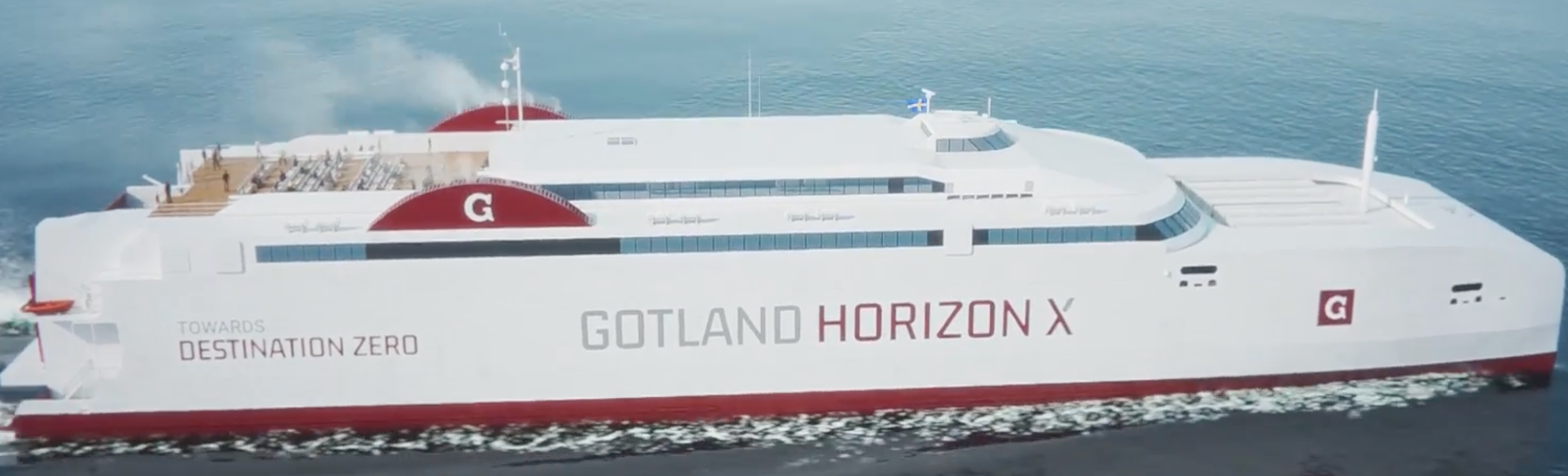
Gotlandsbolaget just inked a deal with ESK Energy Storage to outfit the Gotland Horizon X—a hydrogen-ready multi-fuel catamaran owned by Aqua Ship Management—with a spanking new Marine Battery System. Announced on 15 April 2026, this isn’t just another piece of kit; it’s a key move in their broader push to modernize the fleet and chop emissions on those bustling Gotland routes, all while staying true to the EU Fit for 55 goals for zero-emission technology and sustainable energy.
Strategic Impact
This contract is a real tipping point for the Baltic’s march toward zero-emission technology. By going hydrogen-ready now, Gotlandsbolaget sidesteps the snail’s pace of setting up new hydrogen infrastructure while still reaping the benefits of battery-powered, emissions-free operations in port. The beauty of this multi-fuel setup—diesel, certified biofuels, and future hydrogen fuel cells—is you get today’s wins with batteries and simply swap in green hydrogen when it’s ready for prime time. It dovetails perfectly with Sweden’s national hydrogen roadmap aiming for 10 GW of electrolyser capacity by 2030, as well as the EU’s Fit for 55 rules calling for 2% zero-emission fuels by 2025 and full decarbonization by 2050.
For ESK Energy Storage, this flagship EU gig cements its reputation in marine battery systems and could unlock more EU-backed green shipping projects. On the flip side, Gotlandsbolaget’s €20 million-plus bet on the Gotland Horizon X sends a loud-and-clear message: hybridization is not just environmentally smart, it’s a solid, bankable play in the evolving market for industrial decarbonization.
Maritime Decarbonization in the Baltic
Sweden has been riding the electrification wave in shipping since the early 2010s. Back in 2019, Gotlandsbolaget rolled out the hybrid ferry Gotlandia, one of Europe’s early adopters that married diesel engines with battery packs for whisper-quiet port maneuvering. Now, with the European Green Deal in full swing, the EU Fit for 55 regulations are ramping up requirements—2% zero-emission fuels in short-sea shipping by 2025, aiming for total decarbonization by 2050. This regulatory push sparked first-of-their-kind projects like Stena Line’s hydrogen-ready RoPax in 2024, along with various battery-only vessels zipping through archipelago routes.
The Gotland Horizon X is the next chapter in this story. It’s built to haul 1,000 passengers and 150 cars, bridging the island’s vital link to the mainland and moving roughly 1.5 million people every year. By shaving peak demand and cutting out emissions during transit, it could slash CO₂ output by up to 50% compared to older diesel ferries—hitting both regulatory benchmarks and the growing customer appetite for greener rides.
Technical Snapshot
Under the hood, the Marine Battery System for Gotland Horizon X packs a scalable lithium-ion battery hybrid system designed for bursts of high-power discharge when docking and steady energy on those short sea hops. Ships recharge via shore power, and the batteries are tuned to smooth out peaks, easing off the onboard generators. Plus, the design comes prepped with tanks, piping, and controls ready for modular hydrogen fuel cell units once onshore supply chains catch up.
Thanks to an automated interface, the crew can flip between diesel, certified biofuels, and stored hydrogen on the fly. While the exact battery capacity stays under wraps, both companies promise it’s built to meet the intense demands of frequent ferry service under strict marine classification standards—proof that this sustainable energy solution can pull its weight.
Market and Ecosystem Impacts
Putting ESK Energy Storage at the helm of the Gotland Horizon X project sends ripples across the shipping industry. Battery and fuel cell suppliers now have a clear-cut case study to show financiers and insurers—proof that green tech works in heavy-duty marine ops. Ports, meanwhile, will need to beef up electrical grids and hydrogen infrastructure, creating ripe opportunities for public-private partnerships to invest in docks, jetties, and distribution networks.
Aligning with Sweden’s hydrogen ambitions, this venture also lays out a commercial blueprint for heavy marine traffic—drawing in investors for large-scale electrolysis plants. Expect EU innovation funds and national grants to follow suit, accelerating fuel-cell advancements and driving down costs. Other regional ferry operators, watching Gotlandsbolaget’s hybrid pivot, will likely feel the heat to deck out their fleets with similar game-changing tech.
Key Takeaways
- Gotlandsbolaget picks ESK Energy Storage to equip the hydrogen-ready Gotland Horizon X battery system.
- Multi-fuel propulsion (diesel, biofuel, hydrogen) balances immediate cuts with future zero-emission capability.
- Supports EU Fit for 55 targets and Sweden’s push for 10 GW electrolyser capacity by 2030.
- Up to 50% CO₂ reduction expected on a 1.5 million passenger per year route.
- Delivery set for 2028 as part of a €20 million+ sustainable fleet upgrade, showcasing serious industrial decarbonization.
With the hybrid ferry slated to hit the waters in 2028, all eyes will be on how fast hydrogen infrastructure springs up around Gotland. In the meantime, battery power delivers real-world emission cuts and trims operating costs—proof that you don’t have to wait for a full hydrogen bunkering network to see benefits.
This phased approach—adopt batteries now, build in hydrogen readiness, and evolve with the infrastructure—offers a low-risk, high-reward playbook for other operators aiming for zero-emission technology. It’s a flexible blueprint that could rewrite the rules for ferry services across Europe, turbocharging the shift toward clean shipping.