Green Ammonia Corridor from Saudi Arabia to Germany
February 4, 2026When Europe was chasing clean energy and Saudi Arabia hit the gas on green molecules, sparks were bound to fly. This February, in Riyadh, ACWA Power, EnBW Baden-Württemberg, ROSTOCK PORT GmbH and VNG signed a Memorandum of Understanding to kick off a green ammonia supply chain linking Yanbu on the Red Sea with Rostock on Germany’s Baltic coast. German Federal Minister for Economic Affairs and Energy Katherina Reiche and Saudi Energy Minister Abdulaziz bin Salman were on hand to witness the deal, which aims to ship renewable-powered hydrogen to Europe, cleverly packed as ammonia.
Building the Supply Chain
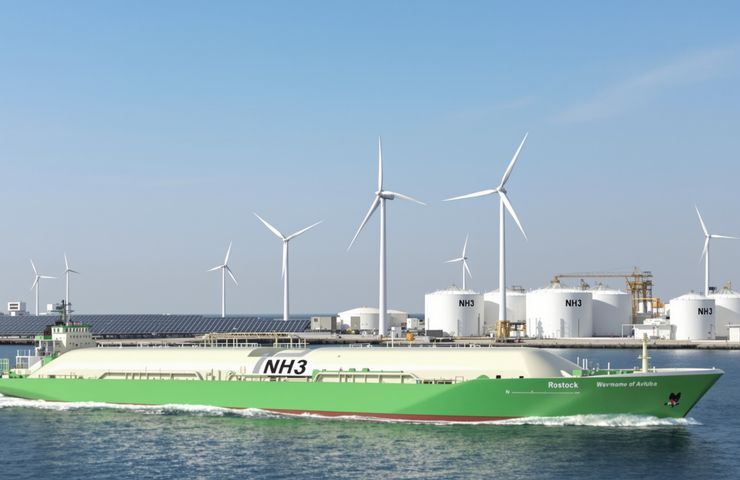
The plan is straightforward: at ACWA Power’s sprawling Yanbu site, hydrogen production via electrolysis will run on solar and wind, then feed into ammonia production. The magic trick? Liquid ammonia holds hydrogen more densely than compressed gas, so it’s easier to ship. Once the tankers reach Rostock Port, VNG’s ammonia cracker will do the reverse, splitting ammonia back into hydrogen and nitrogen for Germany’s network. EnBW will handle offtake and logistics to keep things seamless, while ROSTOCK PORT GmbH revamps its quays and pipelines for the offloading and onward distribution.
Why It Matters
Germany’s set on importing some 45 to 90 terawatt-hours of hydrogen a year by 2030 under its post-Ukraine energy playbook. With homegrown green hydrogen still ramping up, tapping overseas resources is a must to decarbonize heavy industry and power plants. On the flip side, Saudi Arabia’s Vision 2030 is all about moving beyond oil exports and proving it can lead on global industrial decarbonization. This corridor could become the poster child for international hydrogen trade, showing how two powerhouse regions can team up.
Technical Fundamentals
At its core, the process is pretty slick: you split water molecules into hydrogen and oxygen using renewable juice—no carbon emissions in sight. Next up is ammonia production, where hydrogen mates with nitrogen under pressure. At the other end, the ammonia cracker breaks that ammonia back into hydrogen and nitrogen, ready to feed into Germany’s hydrogen infrastructure or local storage. This dodge side-steps the headaches of liquefying and trucking pure hydrogen across oceans.
ACWA Power’s Yanbu complex, which dates back to the 1970s petrochemical days, now sports vast solar fields and wind farms. On the flip side, Rostock—a port with roots in the 12th century—is busy beefing up its waterfront and laying new pipes to deal with clean ammonia imports and the reborn hydrogen streams. Together, they link Saudi Arabia’s abundant renewable resources with Germany’s engineering prowess and robust market demand.
Strategic and Economic Impacts
For Germany, this corridor is a shot in the arm for energy security, cutting reliance on fossil gas and greening up steel mills, chemical plants and power stations. That green hydrogen can replace coking coal in steelmaking or blend with natural gas to shave CO₂ emissions. Meanwhile, Saudi Arabia flexes its Vision 2030 muscles, aiming to be the go-to hub for green molecules. Attracting investment, spawning a new export industry and turning its renewables expertise into global impact—it’s a big leap beyond black gold.
Local economies stand to reap the benefits, too. Rostock Port’s upgrades will create jobs in construction and logistics, while the region’s budding hydrogen ecosystem gets a boost from new cracking and storage facilities. In Saudi Arabia, ACWA Power’s project taps into domestic electrolyzer know-how, potentially unlocking more international partnerships down the road.
Of course, not everything’s in the bag yet: lining up regulations across two jurisdictions, financing the multi-billion-euro infrastructure and scaling up renewables in Yanbu to meet demand are all hurdles. Still, the MoU lays out a clear roadmap for feasibility studies, project financing and final contracts—crucial steps toward those first shipments by decade’s end.
Looking Ahead
This isn’t just another trade route; it’s a live-fire test of large-scale sustainable energy commerce. If it pans out, you could see copycat corridors linking other sunny or windy regions with industry hubs hungry for green fuel. In the coming months, eyes will be on technical studies, regulatory thumbs-up and lining up the cash. How fast this vision turns into steel, concrete and humming pipelines will shape the next wave of hydrogen infrastructure worldwide.
Amidst all the buzz around fuel cells and zero-emission targets, it’s easy to overlook the nuts and bolts. But as ACWA Power and its German partners are proving, turning green electrons into ammonia and back again might just be the secret sauce bridging us to a truly decarbonized future.
 With over 15 years of reporting hydrogen news, we are your premier source for the latest updates and insights in hydrogen and renewable energy.