Green Ammonia Production Kicks Off at Fukushima Demonstration Plant
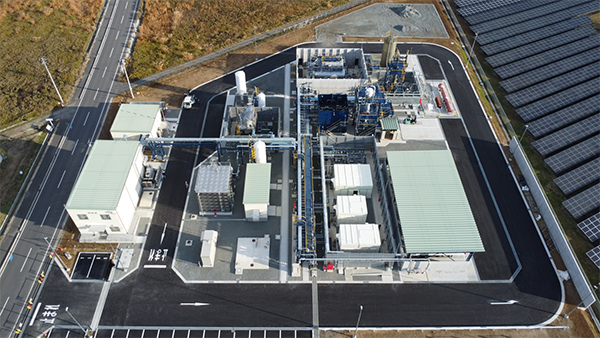
February 3, 2026Imagine a world where the chemicals powering our factories and farms don’t leave a carbon footprint. Well, it’s not sci-fi: earlier this month, a demonstration facility in Namie, Fukushima Prefecture, started cranking out 4 tons of green ammonia daily. This plant, part of the NEDO Green Innovation Fund program, brings together renewable hydrogen from Asahi Kasei Corporation’s Aqualyzer alkaline water electrolysis system and JGC Holdings Corporation’s top-notch ammonia synthesis module. The outcome? A totally carbon-free path to ammonia—a key feedstock with the potential to reshape global strategies for decarbonizing chemical production. In other words, it’s a prime example of green ammonia production you can actually visit, and a real win for Japan clean energy.
They broke ground in late 2023 and wrapped up construction by late 2025, kicking off a rigorous demo phase that runs through Japan’s fiscal 2026. By tapping into the adjacent Fukushima Hydrogen Energy Research Field (FH2R)—which has been supplying renewable hydrogen since 2020—the site nails one of the trickiest parts of the energy transition: feeding a chemical plant with truly carbon-free fuel.
From Nuclear Crisis to Hydrogen Hub
After the 2011 nuclear incident, Fukushima became synonymous with tragedy. Fast forward a decade, and that same region is now a testbed for clean energy innovation. In 2020, Asahi Kasei Corporation fired up the FH2R facility, the world’s biggest renewable-powered alkaline electrolysis plant. Meanwhile, JGC Holdings Corporation ran a pilot at AIST’s Renewable Energy Institute, nailing down 20 kilograms of ammonia per day. Those milestones set the stage for today’s 4-ton-per-day demonstration, highlighting how seriously Japan’s taking its Hydrogen Basic Strategy, backed by NEDO.
How Do You Turn Intermittent Renewable Power into Steady Ammonia Output?
Here’s the catch: wind and solar power can be wildly unpredictable. To keep the ammonia synthesis line humming, JGC Holdings Corporation built an integrated control system that works like an orchestra conductor. It handles everything—from smooth startups and shutdowns to real-time tweaks in reaction conditions—so output stays rock-solid even when renewable supply dips or spikes.
Without this kind of automation, ammonia yields would be all over the map as the electrolyzer ramps up and down. Thanks to this “smart” setup, every kilogram of renewable hydrogen produced ends up in ammonia rather than getting vented or causing production slowdowns.
Turning Water and Air into Green Ammonia
At its heart, this facility does something pretty amazing with just water and air. The Aqualyzer system, a 10-megawatt-class alkaline water electrolysis unit powered by on-site solar panels and nearby wind turbines, splits H₂O into hydrogen and oxygen on a grid scale—one of the largest setups of its kind in Japan.
That hydrogen then teams up with nitrogen pulled straight from the air in a modern Haber-Bosch style reactor. Optimized for green feedstocks, this reactor produces ammonia gas, which gets liquefied and stored on-site, ready for industrial use.
Who’s Behind This Breakthrough?
- JGC Holdings Corporation – leads the plant design, construction, and the smart control system for ammonia synthesis.
- Asahi Kasei Corporation – supplies renewable hydrogen from FH2R and runs the dynamic water-splitting operations.
- New Energy and Industrial Technology Development Organization (NEDO) – provided funding through the Green Innovation Fund after selecting the project in 2021.
- Resonac Corporation – off-takes and distributes the produced ammonia, sending it to thermal power stations for flue-gas denitration.
Why It Matters for Industry and Climate
- Carbon-Free Production: Cuts out CO₂ emissions linked to traditional fossil-based ammonia synthesis.
- Energy Storage: Turns ammonia into a chemical battery for storing and moving renewable energy across long distances.
- Industrial Decarbonization: Offers a drop-in low-carbon option for everything from fertilizer plants to power stations.
- Regional Revitalization: Puts Fukushima on the map as a hydrogen hub, driving local economic recovery and new job opportunities.
Implications Beyond Japan
Demand for green ammonia is skyrocketing worldwide as countries hunt for zero-carbon energy carriers—especially in shipping and power generation. While Europe and Australia have run smaller pilots, Japan’s 4-ton-per-day demo ranks among the first at this scale. By seamlessly integrating the electrolyzer and synthesis modules with an off-take arrangement via Resonac Corporation, the project offers a full value-chain example—from water and air to industrial feedstock. The data flowing out of this site, especially on how the integrated control system handles real-world renewable hiccups, will be a goldmine for future green ammonia plants and global low-carbon fuel policies.
What’s Next for Green Ammonia in Japan?
- Fine-tune operating strategies to squeeze out more efficiency and cut costs.
- Scale up to a larger pilot slated for fiscal 2027, led by Asahi Kasei Corporation.
- Explore licensing and export deals for the integrated control system and plant blueprint.
The Path to Broader Clean Chemical Production
The real beauty of this setup is its modular design and control architecture, which can easily pivot to other green chemicals like methanol or synthetic fuels. Future upgrades—think advanced electrolyzers or next-gen catalysts—can slide right into the framework, making expansion beyond ammonia a snap.
By proving that green ammonia production is feasible at an industrial scale, this project cements Japan’s leadership in the global hydrogen economy and lays out a replicable blueprint for decarbonizing chemical manufacturing everywhere. Communities around Namie stand to gain from skilled jobs, tech know-how, and a fresh identity as pioneers in the clean energy era. Plus, it boosts Japan’s clean energy export potential and showcases how industry partnerships can drive a just, low-carbon transition.
 With over 15 years of reporting hydrogen news, we are your premier source for the latest updates and insights in hydrogen and renewable energy.