
Green Ammonia Standards Fuel India’s Clean Energy Growth
March 12, 2026India’s just taken a giant leap in its India Renewable Energy journey by rolling out Green Ammonia Standards alongside matching thresholds for Green Methanol Standards. Spearheaded by the Ministry of New and Renewable Energy (MNRE) under the umbrella of the National Green Hydrogen Mission, these rules spell out exactly how ammonia and methanol earn their “green” badge. I’m thrilled to break down why this matters for decarbonisation, global trade and India’s bid to become a clean fuel powerhouse.
Decoding the New Benchmarks
Beneath the hood, it all comes down to lifecycle emissions: for Green Ammonia you need to stay under 0.38 kg CO₂ eq/kg NH₃, and for Green Methanol the line is 0.44 kg CO₂ eq/kg CH₃OH. By averaging these numbers over a year, MNRE makes sure everyone’s playing by the same scorecard—vital for trustworthy certification, smooth financing and solid trade deals.
Who’s Behind the Rules?
The MNRE has been in the game since the early ’90s, pushing renewables hard. Fast-forward to 2023, and they launched the National Green Hydrogen Mission with a bold goal: 5 million tonnes of green hydrogen a year by 2030, complete with electrolyser factories, production incentives and infrastructure upgrades. Setting these ammonia and methanol benchmarks is just one piece of that larger decarbonisation puzzle.
Why Do These Standards Matter?
- Regulatory clarity: Project developers know exactly what qualifies as green, speeding up approvals.
- Investor confidence: Clear, verifiable targets channel capital into electrolysers and synthesis plants, boosting the India Renewable Energy market.
- Decarbonisation: Heavy industries—think fertilisers, shipping, power and steel—get access to certified zero-carbon inputs.
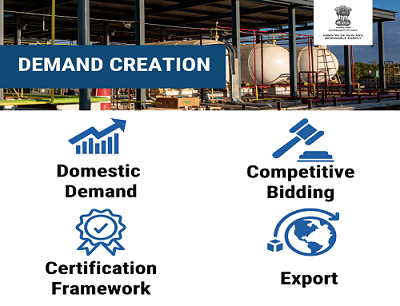
- Export readiness: India lines up with global demand for low-carbon fuels, paving the way for robust Green Hydrogen Exports.
Building Blocks of Green Ammonia and Methanol
Both pathways start with Green Hydrogen, made by splitting water with wind or solar power. For ammonia, H₂ pairs with nitrogen in the Haber-Bosch reactor to churn out NH₃. Methanol synthesis takes that same renewable H₂ and mixes it with CO₂—captured from biogenic sources, direct air capture or industrial streams—to create CH₃OH. Each step has to meet the new emission caps, from purification to compression and storage.
Could These Standards Propel India to the Forefront of Green Fuel Exports?
With the world clamouring for zero-carbon fuels—thanks to Europe’s Renewable Energy Directive III and sweeteners in the US—this is India’s moment. Coastal ports brimming with renewable power mean the country can ship certified green ammonia and methanol across Asia and into Europe. In my book, this isn’t just bureaucratic box-ticking; it’s a genuine launchpad for Green Hydrogen Exports on a global scale.
Impact on India’s Energy Landscape
India already sits in the top five globally for solar capacity and has nearly 50 GW of wind installed. Blending cheap renewables with green hydrogen derivatives tackles that whopping $8 billion annual ammonia import bill and pushes the country toward its net-zero-by-2070 pledge. On the ground, expect to see:
- New electrolyser and synthesis plants springing up along renewable energy corridors
- A surge in jobs for manufacturing, construction and plant operations
- Stronger supply chains for electrolysers, CO₂ capture gear and related equipment
Looking Ahead
We’re at a turning point where tech, policy and market demand all intersect. These Green Ammonia Standards and Green Methanol Standards aren’t set in stone—they’ll evolve as costs drop, grids get smarter and electrolyser capacity ticks up. What’s clear, though, is India’s determination to stand out as a global hub for Green Hydrogen Exports.
If you’ve been tracking India’s green hydrogen story, this latest chapter adds real momentum. By nailing down what “green” actually means, MNRE has laid a foundation that could support millions of tonnes of clean fuel output, power exports and, ultimately, shave a significant chunk off global emissions. It’s a policy move with genuine teeth—and I can’t wait to see how far its ripples reach.


 With over 15 years of reporting hydrogen news, we are your premier source for the latest updates and insights in hydrogen and renewable energy.