Green Hydrogen Advances with Launch of South Africa’s Strategic Localisation Facility
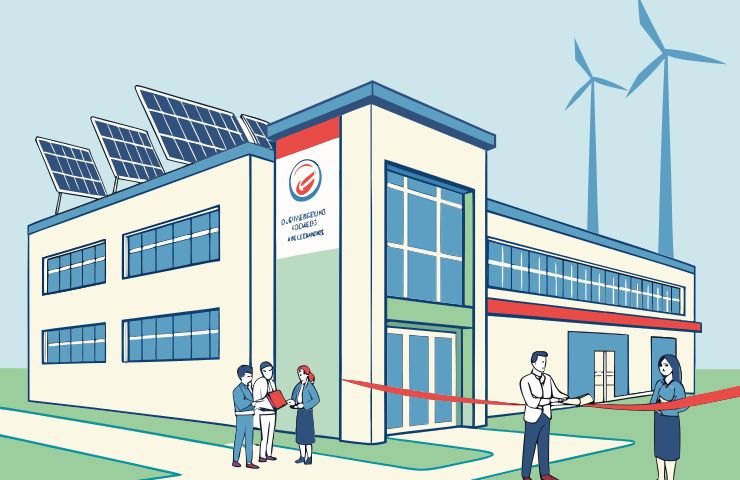
March 1, 2026Ever thought this: Could South Africa’s platinum-rich mines, endless sunshine, and bustling ports come together to create a real powerhouse in green hydrogen? Well, that dream edged closer when Deputy President Shipokosa Paulus Mashatile swung by Wits to cut the ribbon on the brand-new Strategic Hydrogen Localisation Investment Facility in Johannesburg.
Funded by Air Liquide South Africa and backed by the government-linked Localisation Support Fund, this new hub is all about building local muscle in manufacturing and tech along the hydrogen value chain. The dream? Capture more homegrown value from SA’s platinum group metals (PGMs) expertise, soak up the abundance of solar and wind, and tap into existing gas pipelines to power future hydrogen production and hydrogen infrastructure roll-out.
Bridging Platinum and Electrolysis
South Africa actually sits on some of the world’s biggest platinum group metals (PGMs) deposits — those metals are the secret sauce in alkaline and PEM electrolysis cells. By marrying that rich mining heritage with sun and wind projects, the centre plans to nail down the know-how to turn raw PGMs into membranes, electrodes and stacks right here at home. No more shipping off shiny ore to far-flung factories. The big aim? Hit 10 GW of installed electrolysis capacity by 2030 and crank out up to half a million tons of green hydrogen annually.
Strategic Localisation Drive
Getting local content into the hydrogen supply chain is at the heart of South Africa’s Hydrogen Society Roadmap. Teaming up with Wits’ engineering and chemistry departments, the facility will host hands-on pilot projects — from reimagining component design to rigorous testing and certification. The Localisation Support Fund will steer policy and investment alignment so the research doesn’t float off into policy oblivion, while Air Liquide South Africa brings in its global supply-chain savvy and opens doors to cutting-edge technical platforms. It’s a blueprint for turning ideas into industry at scale.
Innovation at Wits
Wits University, a research heavyweight with over a century under its belt, is opening up lab benches and greenhouses for electrolyser R&D. Students and post-docs will push membranes to their limits in South Africa’s unique climate, tinker with PGM-substitution tricks, and experiment with hydrogen storage methods tailored for urban distribution. Professors see a golden opportunity to train the next generation of engineers in electrolysis and hydrogen storage — skills that will be in high demand as the world pivots to a sustainable energy future.
Economic and Environmental Impact
Supporters estimate this centre could spark as many as 20,000 direct and indirect jobs every year by 2030, with even more growth baked in through the 2040s. That means less living off raw PGM exports and more earnings from green hydrogen and its offshoots like ammonia. On the green front, blending hydrogen into industrial processes and transport can shave a chunk off carbon emissions — and might even position South Africa as a competitive exporter at production costs as low as $1.60/kg.
International Backing and Next Steps
South Africa’s hydrogen ambitions have drawn serious global support: a €4.7 billion EU package plus Germany’s bilateral grants have already sparked feasibility studies and pilot hubs in Limpopo, Johannesburg and Durban. This localisation facility slots into the emerging Platinum Valley corridor, connecting mines to ports and eyeing retrofit opportunities for existing gas pipelines. Over the coming months, stakeholders will hash out governance, talent pipelines and roadmap details to keep the momentum rolling.
Of course, there are still a few bumps to smooth out—grid upgrades need serious attention, water treatment for electrolytic cells has to be dialled in, and cross-sector policies must align without friction. But as South Africa steers through its energy transition, this centre is far more than a ribbon-cutting photo op; it’s a tangible leap toward turning national strengths in PGMs, renewables and research into a homegrown hydrogen infrastructure and a genuinely sustainable energy future.

 With over 15 years of reporting hydrogen news, we are your premier source for the latest updates and insights in hydrogen and renewable energy.