
Green hydrogen: AES Andes abandons $10bn INNA project in Chile
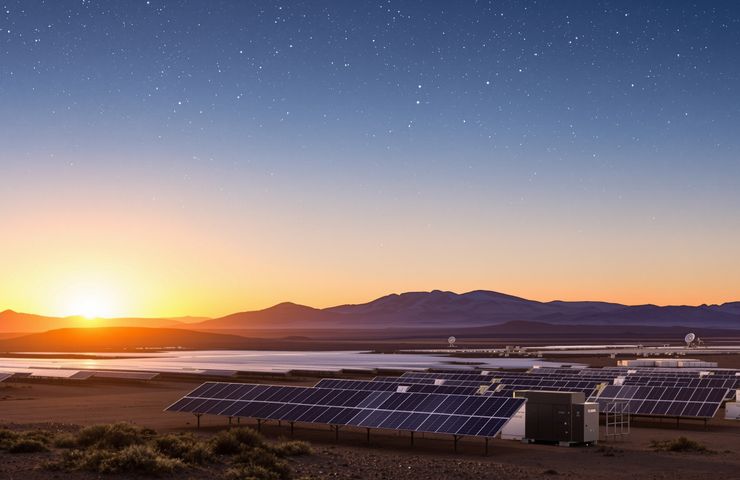
January 30, 2026AES Andes – the Chile-based arm of US powerhouse AES Corporation – has shocked the industry by pulling the plug on its ambitious US$10 billion INNA green hydrogen and green ammonia plant in Chile’s Atacama Desert. The move came after a deep-dive portfolio review and fits neatly into their Greentegra game plan: channeling funds into solid renewable energy and energy storage projects.
AES Andes, which keeps the lights on in Chile, Colombia and Argentina, uses everything from thermal plants to wind farms, solar arrays and storage systems. Since firing up Greentegra, they’ve plowed over US$4 billion into these ventures, locking down or building about 2,181 MW of renewable energy capacity in Chile alone, with sights set on roughly 70% renewables.
Strategic refocus on renewables and storage
Greentegra has steered them toward reliable solar and battery energy storage (BESS) wins. They’re wrapping up the 215 MW Andes Solar III farm and the 200 MW Bolero BESS, and that’s just the start. Four more BESS projects – Arenales, Cristales, Pampas and Atacama – are breaking ground now, adding a whopping 2,363 MW by 2027. That means more grid flexibility and top-notch peak-load support.
Environmental and permitting challenges
INNA hit the ground running in Chile’s Environmental Impact Assessment System back in 2024. But being so close to the European Southern Observatory’s Paranal site – home to the future Extremely Large Telescope – stirred up worries about light pollution, dust, air quality and water scarcity in one of the world’s clearest skies. Even with a mitigation plan on the table, pushback from locals and a drawn-out permitting marathon made it a tough sell.
Small-scale hydrogen initiatives persist
But AES Andes isn’t waving the white flag on green hydrogen just yet. They’re still pushing the envelope with the Adelaida pilot in Mejillones, Antofagasta. Up and running since 2024, this 2.5 MW electrolyzer churns out around 1,000 kg of green hydrogen a day to fuel on-site H2 stations. Think of Adelaida as their sandbox for hashing out costs, logistics and operations before they go big.
Implications for Chile’s energy transition
Chile’s shooting for carbon neutrality by 2050 and is already the renewables champ in Latin America. AES Andes’ decision to pull back amps up the country’s steady march in renewable energy and energy storage, but it also shines a light on the bumps in the road for big-ticket green hydrogen builds – think steep costs, tangled permits and export rules still finding their feet. Industry folks reckon that to get mega-hydrogen projects humming, you’ll need beefier incentives, rock-solid offtake deals and tech that’s easier on the wallet.
Key takeaways
- AES Andes axed the US$10 billion INNA plan to sidestep the biggest permitting and execution headaches.
- Since kicking off Greentegra, they’ve rolled out 2,181 MW of renewable energy and have 2,363 MW of energy storage in the works.
- Close quarters with the Paranal Observatory sparked local pushback over light, dust and water use.
- The Adelaida pilot’s 2.5 MW electrolyzer whips up about 1,000 kg of green hydrogen a day.
- Solar-plus-storage projects are looking like a safer bet for returns than massive hydrogen plants.
Technical snapshot: green hydrogen and green ammonia
Here’s the lowdown on green hydrogen and green ammonia: electrolyzers use renewable juice to split water into hydrogen; then that H2 teams up with nitrogen via a renewable-powered Haber–Bosch setup to make ammonia. Ammonia’s easier to store and ship than compressed hydrogen, but you’re talking big electrolyzer and synthesis gear that can be pricey and a headache to install way out in the sticks. This route to hydrogen production is a key piece of the energy transition, even if it’s not a plug-and-play solution.
Outlook
Looking ahead, AES Andes plans to plough the capital earmarked for INNA back into its solar and storage lineup, giving the grid a boost and getting money moving faster. For the wider sector, it’s a clear signal: we’re leaning into modular hydrogen pilots and rock-solid renewable energy, at least until policies firm up and the price tag on gigawatt-scale hydrogen production comes down.
After the news hit, AES Corporation’s stock took about a 2.5% dip, showing investors are all about rock-solid execution and quicker payoffs.
 With over 15 years of reporting hydrogen news, we are your premier source for the latest updates and insights in hydrogen and renewable energy.