Green Hydrogen Ambitions Propel Suape Port’s R$15.8B Expansion
Suape Port is deploying R$15.8 billion to build Latin America’s largest green hydrogen hub by 2030, pairing electrolyzers and e-methanol units with a 400,000 TEU expansion and an electric terminal to drive regional decarbonization and logistics efficiency.
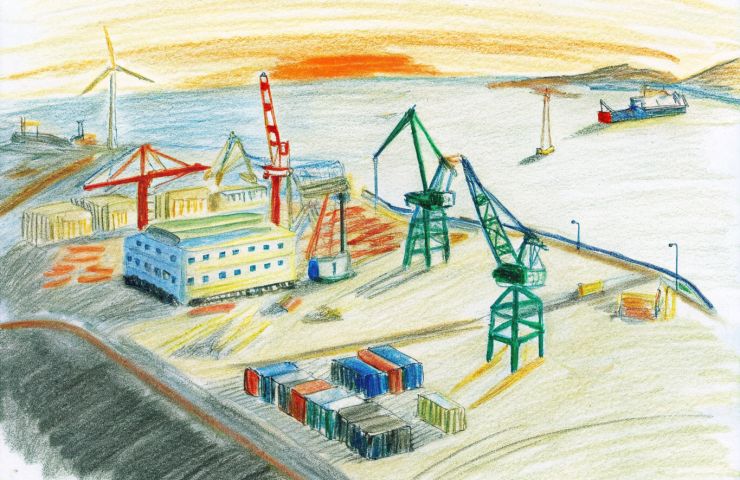
The Suape Port in Pernambuco is shaking things up, kicking off a R$15.8 billion push to turn itself into Latin America’s biggest green hydrogen hub by 2030.
Back in 2018, Suape’s traffic peaked at 23.6 million tons. Today, the port authority’s plowing R$15.8 billion into upgrades: installing electrolyzers for green hydrogen production, setting up e-methanol and other low-carbon fuel plants, and overhauling the docks. APM Terminals is expanding the container piers to add 400,000 TEU—a 55% jump—while Latin America’s first fully electric terminal is already taking shape. Plus, LNG capacity got a boost when OnCorp locked down the FSRU deal in 2022. It’s all about solidifying Suape’s edge in clean energy logistics and building out that hydrogen infrastructure as part of a bigger push for sustainable energy and industrial decarbonization.
The Suape Port Industrial Complex stretches across Ipojuca and Cabo de Santo Agostinho on Brazil’s Atlantic coast. Launched decades ago as a flagship economic zone, it’s home to more than 80 companies in 12 industrial parks and provides around 20,000 jobs today. Spanning roughly 40 km², you’ve got 41 berths sprinkled along 17 km of quay and 15.5 km of protective breakwaters. Thanks to channels dredged to 14 meters, the port stays tide-independent and open 365 days a year. Tecon Suape—a subsidiary of ICTSI—runs the container game with state-of-the-art cranes, and the LNG FSRU from OnCorp has been humming since 2022.
So, why does this matter? Brazil’s under the spotlight to clean up its industry and transport sectors, and swapping out diesel for green hydrogen and other low-carbon fuels could slash emissions and cut reliance on fossil imports. For shippers, a tide-agnostic port means faster turnarounds and leaner costs. Locals get a win too—Suape expects to double its workforce to 40,000 by 2030. And on the world stage, companies are sniffing around for fresh hubs beyond Europe; if Suape pulls this off, it might just nudge giants like Rotterdam off their throne and reroute trade across Latin America.
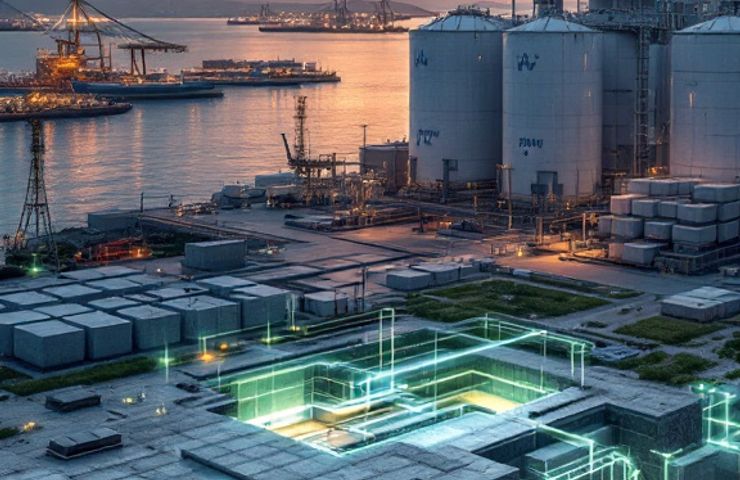
Let’s peel back the layers. APM Terminals is adding 400,000 TEU to the existing 700,000, complete with automated quay cranes, rubber-tyred gantries, and slick links to the highway network. The LNG FSRU doesn’t just offer cleaner bunkering—it doubles as backup power. Out in the fields, new electrolyzers will tap into renewables for hydrogen production by splitting water into hydrogen and oxygen, though Suape’s staying mum on exact megawatt targets. To get that green hydrogen onto ships, they’ll need massive storage tanks and specialized loading arms. On top of that, e-methanol plants will churn out fuel for vessels and feedstock for industry. All told, it’s shaping up to be a tightly woven chain—from solar and wind power through hydrogen production and derivatives, straight to global markets.
Look beyond Brazil, and ports from Rotterdam to Ningbo are racing to build out hydrogen corridors. Suape’s angle? Start fresh with zero-emission technology at the core, rather than retrofitting old docks. Electrolyzer orders are climbing as costs fall, but you need cheap renewables to make it work. That’s where Brazil’s wind and solar auctions come in—a big chunk of Suape’s competitiveness hinges on snagging low-cost clean power. And if they want top dollar on exports, they’ll need green-hydrogen certification that checks all the right boxes.
This isn’t just about a shiny new waterfront. Economically, it could bump up regional GDP, shrink transport costs for farmers and factories, and diversify an area long tied to sugar and petrochemicals. Environmentally, the electric terminal and cleaner bunkering should cut ship and truck emissions. Socially, think new vocational training programs, housing developments, and community services to support those extra jobs. On the infrastructure side, we’re talking 247,000 m² of fresh tank storage and upgraded road links. Of course, local NGOs are eyeing the dredging plans to make sure mangroves and fisheries don’t get short shrift.
Here’s the kicker: pouring R$15.8 billion into green hydrogen is gutsy, but talk is cheap without solid execution. Claiming to outshine Rotterdam sounds great until you wrangle shipping lanes, certification hoops, and export logistics. Loading up on electrolyzers means little if your renewables aren’t steady. And let’s not forget local communities—they’ll want tangible perks, not just grand job projections. That said, this move shows how ports are morphing from mere cargo terminals into critical players in industrial decarbonization. If Suape nails it, everyone else will have to step up their sustainable energy game or risk getting left behind.
Not that Suape’s path is smooth. If Brazil’s credit rating dips, money could dry up. Those renewable auctions have to actually bring wind and solar capacity online. Environmental permits—especially around sensitive coastal areas—can drag on forever. Exporting certified green hydrogen to Europe means jumping through EU compliance hoops, which cost time and money. Shipping companies need incentives to retrofit vessels or commission new ones. Bottom line: Suape has to nail down long-term power purchase agreements and offtake deals before shovels hit the dirt—or risk seeing brand-new berths sit empty.
Looking down the road to 2030, Suape’s shooting to double its workforce to around 40,000, break cargo records, and sling green hydrogen and its derivatives around the globe. That all hinges on getting those electrolyzers humming, new berths built, and the grid amped up. On paper, Brazil’s policy backdrop is getting friendlier, with fresh auctions and decarbonization incentives, but investors will be watching for permit bottlenecks, neighborhood pushback, and how the price spread between green vs. grey hydrogen shapes up. Meanwhile, Mexico, Chile, and Argentina aren’t sitting still—they’ve got their own green hydrogen blueprints. Suape’s window of opportunity might close if it hesitates or can’t lock in binding offtake contracts. Right now, it’s a bold experiment in marrying port expansion with a global sustainable energy push. Let’s see if it ends up as the new gold standard or just another slide in a corporate deck.