Green Hydrogen Boosted by Quasi-2D Tellurium Nanosheets
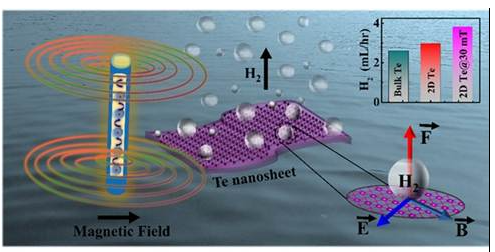
March 17, 2026Over at the Institute of Nano Science and Technology in India, researchers have just rolled out an exciting way to supercharge Green Hydrogen production—by harnessing the power of quasi-2D Tellurium Nanosheets. In a statement from the Department of Science and Technology, they say this breakthrough slots right into the global push for cleaner energy and national decarbonization goals. The secret sauce? Tapping into newfound ferromagnetic traits in a non-precious metal, creating a catalyst that turbocharges the Hydrogen Evolution Reaction without needing a drop of pricey platinum. Essentially, they’ve merged magnetism and catalysis into one neat package to slash energy needs and drive costs down in hydrogen electrolysis.
Solving Real-World Problems with Simple but Powerful Ideas
We all know green hydrogen has massive potential to decarbonize transport and heavy industry—but traditional electrolysers lean heavily on platinum, which hikes up costs and leans on scarce resources. Enter our hero: Tellurium Nanosheets. By using a well-studied class of materials (think transition metal dichalcogenides and other 2D layers) and infusing a dash of innovation via Strain Engineering, the team unlocked an emergent ferromagnetic state that gives the hydrogen evolution reaction a serious boost. In plain English, they’ve combined magnetic activation and catalysis in a single material to streamline green hydrogen generation, making it more affordable and practical across the board.
Historical Context
For decades, electrolytic hydrogen production has relied on noble metals like platinum to hit peak performance. Sure, it works, but it’s expensive and hard to scale. Over the last ten years, scientists shifted their gaze toward alternatives—transition metal dichalcogenides, doped carbons, and various 2D layered crystals. Now, the INST team has taken things a step further by showing that quasi-2D Tellurium Nanosheets can simultaneously spark ferromagnetism and catalysis. This dual-action approach tackles both price and environmental hurdles, moving green hydrogen closer to mainstream reality.
How the Nanosheets Work
The magic starts with Liquid-Phase Exfoliation: peeling ultrathin tellurium layers from bulk crystals in a scalable, straightforward process. Once they have these feather-light sheets, researchers gently stretch them to tweak atomic bonds—this Strain Engineering step is what flips on an emergent ferromagnetic state by freeing up electron spins on the surface. Drop these nanosheets into an electrolyser, and the built-in magnetic field acts like a traffic director for electrons, shepherding them to form hydrogen bubbles at a lower overpotential. In short, they’re getting more bang for the buck from one multitasking material—no platinum needed.
Scalable Manufacturing Steps
Right from day one, the team has its sights set on scale. Their Liquid-Phase Exfoliation routine uses standard lab gear and avoids exotic chemicals, which means it’s easier to ramp up to industrial volumes. By fine-tuning solvent mixes, sonication times, and strain tweaks, they can churn out grams of nanosheets in each batch—no hazardous reagents in sight. While there’s still work to do to slot these sheets into commercial electrolyser stacks, the process aligns well with existing manufacturing flows. Keeping it simple and ditching precious metals paves the way for cost-effective, high-volume catalyst production in India’s booming nanotech sector.
Environmental Impact
Green hydrogen is a cornerstone for decarbonizing not just heavy industry and transport, but also for balancing renewable grids. By dialing down electricity demands in electrolysis, these Tellurium Nanosheets could shrink the carbon footprint tied to hydrogen production. Plus, skipping platinum mining means less water use, fewer greenhouse gas emissions, and reduced biodiversity loss. Lower power bills translate into more competitive hydrogen prices versus fossil-based alternatives. If this catches on, we could see a surge in renewable energy uptake as the flexibility of hydrogen helps bridge gaps between supply and demand—right in line with Sustainable Development Goals for responsible consumption and climate action.
Economic and Local Benefits
This project is truly made in India, showcasing local talent, labs, and industry partnerships. By scaling up catalyst manufacture domestically, new jobs in nanomaterials synthesis and electrolyser assembly could pop up across the country. We might even see a wave of clean-tech start-ups and academia–industry tie-ups, strengthening homegrown supply chains. Cutting out pricey imports of precious metals also shored up economic resilience. As Green Hydrogen starts to gain real traction, these nanosheets could become a flagship export, putting India on the map for advanced materials and sustainable energy tech.
Made in India, Made for India’s Future
Backed by the Department of Science and Technology, this initiative taps into state-of-the-art labs and interdisciplinary expertise at INST to drive India’s clean energy ambitions. Researchers are working hand in glove with funding bodies and industrial partners, fine-tuning catalyst designs and testing protocols. That blend of public support, academic know-how, and market interest is exactly the recipe for turning lab discoveries into real-world solutions.
What’s Next?
Looking ahead, the team plans to stress-test these Tellurium Nanosheets over thousands of hours in pilot-scale settings to nail down long-term stability and integrate them into commercial electrolyser designs. They’re also eyeing new horizons for magnetically active 2D materials—think oxygen evolution or CO2 reduction. If these trials pan out, we could see a whole new class of multiferroic catalysts tackling a range of electrochemical challenges.
Conclusion
All in all, this development feels like a major leap toward affordable, scalable Green Hydrogen production. By blending magnetism and catalysis in a single, non-precious-metal platform, the INST team tackles critical bottlenecks in electrolysis. With solid backing from the Department of Science and Technology and world-class facilities at INST, this project is made in India, made for India’s future—and it’s solving real-world problems one nanosheet at a time. Keep an eye out for demo plants and pilot modules; we might just see India leading the global hydrogen charge before long.


 With over 15 years of reporting hydrogen news, we are your premier source for the latest updates and insights in hydrogen and renewable energy.