Green Hydrogen Fuels Low-Carbon Fertilizers in PepsiCo-Fertiberia Scale-Up
PepsiCo has inked a long-term pact with Fertiberia for up to 150,000 tonnes/year of green hydrogen–based Impact Zero fertilizer across 162,000 hectares of European potato and corn crops. The deal taps electrolysis-based ammonia to cut production emissions by up to 63% and deploys NSAFE bio-inhibitors to slash nitrogen loss, setting a new benchmark in agricultural decarbonization.
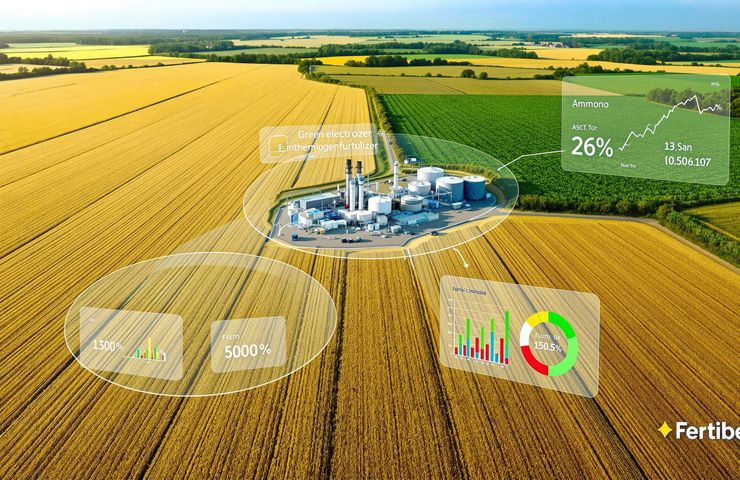
So here's the scoop: PepsiCo is shaking things up by ditching its traditional fossil-fuel-based fertilizer. Instead, they're teaming up with Fertiberia to use ammonia produced from green hydrogen. This ambitious move aims to cut down on greenhouse gas emissions in Europe's potato and corn fields, with a target of slashing up to 150,000 tonnes of carbon-heavy fertilizer by 2030. We're not talking about minor tweaks here—this is industrial decarbonization on a big scale. Considering that fertilizers contribute to about 2% of global emissions and play a huge role in PepsiCo's European potato operations, this shift could really change the game for how major food brands tackle their environmental targets.
Supported by the EU’s clean energy initiative, known as REPowerEU, along with the Hydrogen Strategy, this partnership aims to see if green hydrogen can transform an established supply chain into one that leans toward low-carbon inputs.
Deal Details
Here’s how it breaks down: Fertiberia will supply up to 150,000 tonnes annually of its Impact Zero fertilizer across about 162,000 hectares—think fields that grow Lay’s, Doritos, and Ruffles. This long-term agreement spans several EU countries, including France, Romania, Serbia, Greece, and Turkey, building on some promising pilot programs in Spain and Portugal. Those trials showed that they managed to cut potato emissions by 15% and corn emissions by 20%. To make sure things run smoothly, over 1,500 farmers will get access to precision agriculture tools and expert advice. Thanks to digital platforms, they can now keep tabs on nitrogen efficiency, moisture levels, and yield predictions in real time—making these green inputs as smart as they are sustainable.
This agreement builds on Fertiberia's launch of Impact Zero back in 2022 and its ongoing partnership with Iberdrola, which is leading the charge on Europe’s largest green hydrogen projects, including the impressive 800 MW Puertollano facility. That site is capable of producing enough green ammonia to replace traditional fertilizers for thousands of acres. With PepsiCo locking in demand, Fertiberia can confidently invest more in their electrolysis capacity, boosting green hydrogen's role in their nitrogen products way beyond the initial pilot levels.
Why It Matters
Agriculture has often been labeled a tough sector to decarbonize—and honestly, it’s easy to see why. Fertilizer production alone is responsible for about 2% of our global CO₂ emissions. Plus, following the energy crisis, natural gas shortages spiked ammonia prices, highlighting serious supply chain vulnerabilities. By pivoting to green hydrogen, PepsiCo aims to cut emissions by as much as 63% during manufacturing, while also protecting itself against potential swings in the gas market. And let’s not forget about the NSAFE bio-inhibitor in Impact Zero, which helps cut nitrogen loss by nearly 50%. That’s a win-win for reducing waterway pollution and maintaining soil health over time.
This initiative aligns perfectly with PepsiCo's goal to slash Scope 3 emissions related to forests, land, and agriculture by 30% from a 2022 baseline. Since fertilizer inputs are responsible for around half of those emissions tied to potatoes, you can see how crucial this move is. It also matches up with the EU’s greenwashing directive, which demands verifiable environmental claims—a challenge that’s becoming increasingly significant for big food brands.
Tech Under the Hood
The secret sauce behind this is zero-carbon hydrogen generated from large-scale electrolysis. It works like this: renewable electricity is used to split water into hydrogen (H₂) and oxygen (O₂), and then that hydrogen combines with nitrogen in the classic Haber-Bosch reactor at high temperatures and pressure. Fertiberia boasts a conversion efficiency of 60–70%, thanks to recycling unreacted gases, which is key to keeping energy costs down. The resulting ammonia is then mixed with the NSAFE bio-inhibitor, a living microbe that helps slow down the nitrification process, locking nitrogen into the roots for longer. This approach not only reduces nitrate runoff but also boosts crop yields, effectively turning what could be wasted emissions into tangible agricultural gains.
On the back end, Iberdrola provides the green hydrogen needed at the Puertollano facility, which is part of a broader initiative supported by the IPCEI to generate 10 Mt of H₂ by the end of the decade. Scaling up these systems is crucial: every additional megawatt of electrolysis decreases reliance on traditional hydrogen and helps close the cost gap—assuming global electrolyzer prices follow anticipated learning curves.
Strategic Play
This partnership feels like a smart chess move. PepsiCo secures a low-carbon supply chain from a European leader in green ammonia, essentially getting ahead of new EU regulations that could impose taxes on imported high-carbon products. Meanwhile, Fertiberia gains a prestigious customer, validating its investments in green hydrogen and biotechnological fertilizers. This signals to investors and policymakers that they mean business.
Plus, it puts pressure on competitors like Yara and Nutrien, who may have ambitions in green ammonia but lack significant long-term supply deals. With governments pouring billions into IPCEI hydrogen subsidies, establishing a clear path from electrolyzer to arable land is becoming a necessity for any fertilizer producer out there.
Regulatory Pulse
The EU isn’t just sitting back watching—all hands are on deck for the REPowerEU initiative, which has earmarked funds to scale up green hydrogen production, aiming for 10 Mt by 2030. Decarbonizing fertilizers is one of the main focuses, and various member states are rolling out grants to lower the cost hurdle associated with green hydrogen. Countries like Italy, France, and Spain have recently approved subsidy schemes to cover up to 30% of the costs related to electrolyzers, while Romania and Greece are concentrating on guarantees for off-takers. These incentives could close the cost gap on ammonia and help roll out the PepsiCo-Fertiberia model to farms across the EU.
However, looming carbon border adjustments could change the game. A forthcoming EU proposal could impose fees on fertilizers created using conventional hydrogen. To navigate these potential fees, having early agreements—like contracts that guarantee carbon footprints—will be key. By prioritizing green hydrogen procurement, PepsiCo and Fertiberia are securing protection against sudden regulatory costs, which could otherwise eat into profits or make prices spike for consumers.
Analyst Take
Let’s be clear: this isn't just greenwashing in flashy branding. It's a high-stakes experiment: if the green hydrogen costs—currently about three times higher than regular hydrogen—can be balanced out by improved crop yields and well-managed carbon credits, PepsiCo could gain a lasting competitive advantage. But, if energy prices climb or agricultural markets tighten profit margins, those costs could be passed down to farmers and consumers alike.
The real test will be monitoring on-the-ground data regarding emissions, yields, and input usage across multiple seasons. Ultimately, it’ll be farmers who determine if these green chemical practices meet their yield requirements and if the new digital tools are worth the investment. Meanwhile, food brands and regulators will closely track these metrics to validate claims and influence future carbon regulations.
Even if this pilot hits a few bumps along the way, it sets a landmark precedent. Future contracts may need to hinge on meticulous carbon accounting, potentially shifting the conversation from broad sustainability goals to measurable impacts.
Closing Insight
If this bio-based green ammonia can prove its worth in Europe’s fields, we could very well be witnessing the dawn of a clean ammonia revolution—one that successfully takes fertilizers off fossil fuels and into the heart of a low-carbon future.