Green Hydrogen in Grand Est: A Cross-Border Drive for Hydrogen Production
March 30, 2026Picture this: a region that once ran its factories on coal is now gearing up to fire them with green hydrogen. Welcome to Grand Est, a cross-border team-up between eastern France, Saarland and Luxembourg. Together, they’re weaving renewable energy, electrolyzers and even retrofitted pipelines into a full-scale hydrogen value chain. Thanks to more than €7 billion from the France 2030 programme and targeted EU grants, these neighbors are betting big on clean molecules and cross-border teamwork to drive industrial decarbonization and zero-emission transport.
By pooling infrastructure, know-how and funding across three jurisdictions, this project isn’t just another national pilot—it’s fast becoming the blueprint for a pan-European hydrogen corridor. Let’s dive into how this transfrontier initiative is unfolding and what it means for the future of hydrogen production and the wider energy transition.
Coordinating a Regional-Scale Ecosystem
Back in 2019, DINAMHySE came together as the driving force structuring the local hydrogen ecosystem. It pulled in regional authorities, research institutes and industrial heavyweights to align on tech roadmaps, regulations and market strategies. Fast-forward to 2021, and the more ambitious Grande Region Hydrogen (GRH) EEIG was born, led by energy infrastructure operators Creos and GRTgaz alongside Luxembourg’s Encevo and France’s H2V. This EEIG acts as the legal glue that keeps projects humming across Grand Est, Saarland and Luxembourg—each with its own market rules and grid codes. The goal? A seamless supply chain from electrolysis plants in eastern France to off-take points in German foundries and Luxembourg’s logistics hubs. By standardizing technical specs and pooling resources, the partners are unlocking economies of scale that solo national schemes just can’t match.
Production and Infrastructure Integration
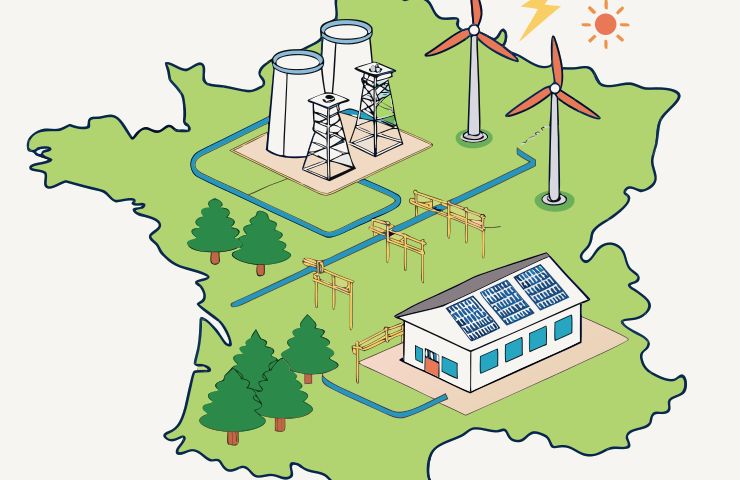
At its heart, this effort is all about electrolysis, where electricity splits water into hydrogen and oxygen. In Grand Est, plentiful wind and solar juice feeds a network of electrolyzers placed right on legacy energy sites. Take the case of Emil’Hy, which is transforming the old Saint-Avold coal plant into a 400 MW renewable hydrogen hub, thanks to around €20 million from the Connecting Europe Facility. Meanwhile, the CarlHYng project—helmed by Verso Energy with Siemens Energy—is prototyping scalable, plug-and-play electrolyzers designed to slide into regional grids with minimal upgrades.
But producing hydrogen is only half the story. The real magic comes from tapping into an existing natural gas pipeline network. By blending—and eventually switching over to—pure hydrogen infrastructure, the vision is a Rhine-Meuse highway for zero-carbon molecules, crossing borders on brownfield assets. It cuts CAPEX and skirts the lengthy permits tied to greenfield pipelines, speeding up deployment in record time.
Financing the Hydrogen Future
Let’s talk money. Scaling up hydrogen production and new infrastructure takes serious investment. That’s where the France 2030 plan steps in, dedicating over €7 billion to hydrogen R&D, manufacturing and demo projects nationwide. Grand Est has already tapped that fund to co-finance Emil’Hy and CarlHYng, while EU instruments—from InnovFin to the Connecting Europe Facility—fill the gaps in later-stage rollouts. Plus, the GRH EEIG’s public-private partnerships are unlocking fresh capital by bundling projects, making room for smaller players to join the ride and share the risk.
On the people front, an Engie-Afpa training centre has sprung up to certify technicians in running and maintaining electrolyzers, ensuring a skilled workforce as these facilities transition from testbeds to full-scale operations. Add to that over 80 researchers from local universities and labs contributing expertise in catalyst development, system modelling and grid integration, and you’ve got a virtuous cycle of innovation and deployment.
From Brownfield to Blueprints
Grand Est’s industrial past—think coal mines and steel mills—offers more than nostalgia; it provides tangible assets. Brownfield sites like Saint-Avold, once emblematic of fossil-fuel dependence, are now the blueprints for retrofitting heavy-industry hubs for green energy. By reusing buildings, grid hookups and even certain underground spaces, developers can slash capital costs by up to 30% versus building brand-new plants, local estimates show. This approach also sidesteps land-use battles, since it doesn’t carve into untouched territory.
Market Impacts and Policy Alignment
Driving down emissions in sectors that can’t go fully electric—chemicals, steelmaking, long-haul transport—is top of mind for Grand Est’s policymakers. Injecting green hydrogen into existing processes lets companies shrink their carbon footprints without scrapping entire facilities. Luxembourg’s logistics firms are eyeing hydrogen trucks for zero-emission corridors, while Saarland’s steel mills forecast big cuts in blast-furnace CO2 by co-injecting hydrogen in place of coal.
Challenges and Forward Momentum
No plan comes without hurdles. Mixing hydrogen with natural gas raises questions about leaks and embrittlement—technical puzzles requiring careful engineering. Permitting remains a patchwork, as each country plays by its own environmental and safety rulebook. The GRH EEIG is tackling this through joint working groups, ironing out differences. Social acceptance is another frontier: even brownfield redevelopments need community buy-in. That’s why transparent impact studies and neighborhood consultations are now part of the standard playbook to build trust and keep timelines intact.
Outlook on Transboundary Collaboration
As Europe races toward net-zero, the Grand Est cross-border framework is a live test case in how regions can pool assets, capital and expertise to drive the energy transition. By knitting together three jurisdictions under one hydrogen network, DINAMHySE and the GRH EEIG are challenging the notion that energy policy must stop at national frontiers. If it succeeds, it’ll reshape the industrial landscape of Grand Est, Saarland and Luxembourg—and serve as a template for hydrogen valleys across the EU.
Whether you’re a policymaker, an industrial operator or an investor, the Grand Est story proves a key lesson: cross-border collaboration can be the catalyst that turns lofty climate goals into real-world projects. Keep an eye on this corridor as it lights up with green hydrogen—you might just see the future of regional industrial decarbonization unfold.
 With over 15 years of reporting hydrogen news, we are your premier source for the latest updates and insights in hydrogen and renewable energy.