Green Hydrogen Indonesia: ESDM Launches National Ecosystem at GHES 2026
February 17, 2026If you’ve been following the buzz around Green Hydrogen Indonesia, you know things are heating up. As part of the bigger Indonesia Energy Transition, Indonesia’s Ministry of Energy and Mineral Resources (ESDM) just revealed a full-blown scheme at the Global Hydrogen Energy Summit—aka GHES 2026. They mapped out a nationwide Hydrogen Ecosystem, with geothermal pilots in Lampung and North Sulawesi and solar schemes in East Nusa Tenggara. And to top it off, they’re kicking off Indonesia’s first public hydrogen vehicle trials on Jakarta’s lively Sudirman–Thamrin corridor.
Can Indonesia become a regional green hydrogen hub?
With underground steam fields, near-constant sunshine, solid wind corridors and hydropower sites, Indonesia has what it takes to produce hydrogen without carbon emissions. After Government Regulation No. 40 of 2025 branded hydrogen and ammonia as strategic energies, the road was cleared for the National Hydrogen Strategy. Currently, the country uses about 1.75 million tons of hydrogen a year—mostly for fertilizer and refining—but the goal is to boost that share so hydrogen and ammonia make up 10–12% of the energy mix by 2060.
A National Strategy Takes Shape
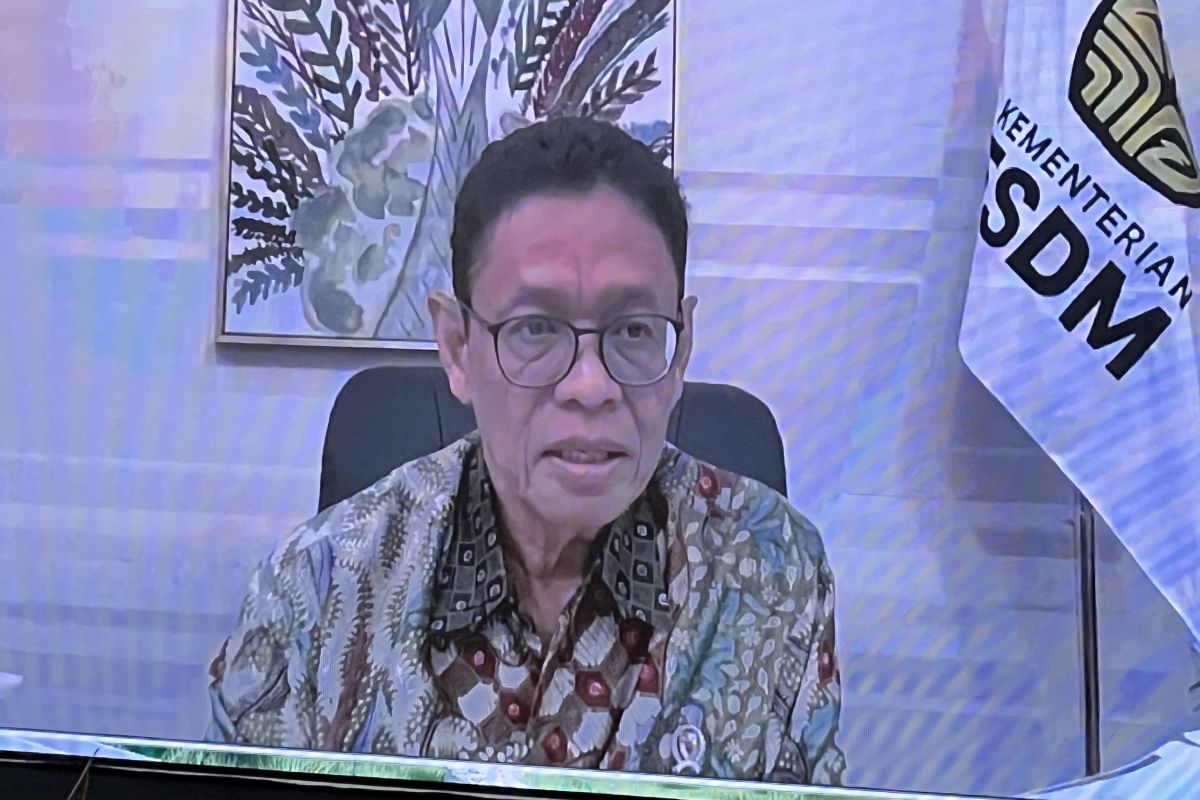
Driving all of this is Eniya Listiani Dewi, ESDM’s Director General for New and Renewable Energy and Energy Conservation. She’s pushing to get green hydrogen to market by year’s end with flagship pilots like Ulubelu in Lampung and Lahendong in North Sulawesi. Deputy Minister Yuliot has been championing an integrated approach—mixing renewables, electrolyzers and storage—to power industry, transport and the grid. Together, they’re backing a bold National Hydrogen Strategy that could reshape Indonesia’s energy landscape.
From Geothermal Steam to Clean Fuel
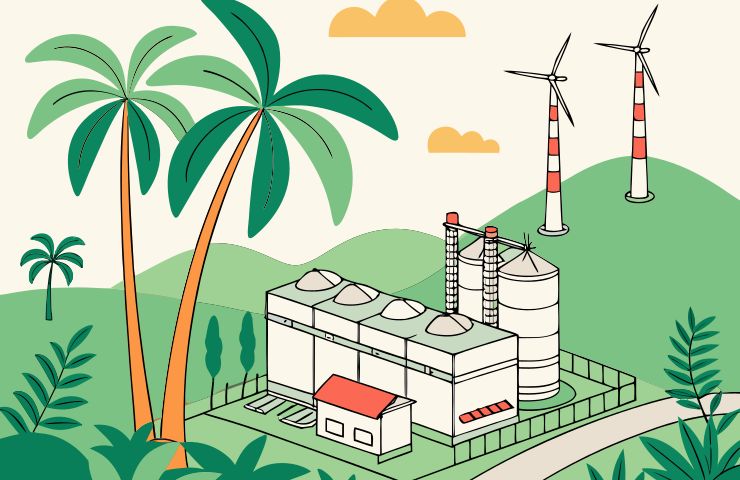
The Ulubelu facility in Lampung is using geothermal steam to run an electrolysis unit, producing around 80–100 kg of green hydrogen per day during its pilot phase. Lahendong’s geothermal field is following suit, while solar-driven projects are taking off in East Nusa Tenggara and West Java. Over in Bandung, a waste-to-hydrogen trial is exploring how local refuse can become clean fuel. It’s a smart showcase of how varied a Hydrogen Ecosystem can be.
Driving the Ecosystem Forward
GHES 2026 was more than a showcase—it doubled as a matchmaking hub for developers, investors and tech firms. A highlight was when the Japan International Cooperation Agency (JICA) reaffirmed its support, teaming up with ESDM to refine a hydrogen-to-ammonia roadmap, de-risk early deployments and mobilize funding for pipelines, storage and safety systems. This kind of international backing is crucial for building out real infrastructure rather than just talking about it.
Road Trials and Regulatory Momentum
The summit also set the stage for hydrogen vehicle trials in Jakarta’s central business district. Starting this month, fuel cell buses and utility vehicles will shuttle along Sudirman–Thamrin, collecting data on performance, refueling logistics and rider experience. Meanwhile, regulators are drafting technical standards and safety protocols—from high-pressure tank handling to emergency response—so when the trials wrap up, the path to wider adoption is clear and safe.
Why This Matters
There are big wins on the horizon:
- Decarbonization: Cuts CO₂ in sectors like heavy industry and transport.
- Energy Security: Lowers reliance on imported fossil fuels and diversifies the mix.
- Economic Growth: Draws investment, sparks job creation and opens export markets for green ammonia, methanol and more.
- Regional Leadership: Positions Indonesia as a leading Green Hydrogen Indonesia hub in Southeast Asia.
Overcoming Challenges
Of course, there are hurdles. Building pipelines, storage facilities and refueling stations demands major capital and coordinated regulation. Plus, most of today’s supply is still grey hydrogen from natural gas. Shifting to renewables-powered electrolyzers is a multiyear, step-by-step process, and costs need to drop for the economics to work. Still, with a clear National Hydrogen Strategy and the momentum from GHES 2026, Indonesia is well on its way.
Looking Ahead
As these pilot plants fire up and hydrogen-powered vehicles hit Jakarta’s streets, we’ll soon see if this ecosystem approach really works. The next few months will reveal whether mid-term targets are met, major investments flow in and hydrogen slots into existing industries without a hitch. By harnessing its renewables, forging international partnerships and sticking to the National Hydrogen Strategy, Indonesia is setting its sights on a top spot in the global green hydrogen race.

 With over 15 years of reporting hydrogen news, we are your premier source for the latest updates and insights in hydrogen and renewable energy.