Green Hydrogen Infrastructure: Plug Power Scales Electrolyzers and Fueling Stations
Plug Power is rapidly scaling its green hydrogen infrastructure in the U.S., producing over 4,600 metric tons in 2025 and expanding fueling stations, leveraging federal incentives to drive costs down, while competing with Bloom Energy’s SOEC and Cummins’s H2-ICE technologies to decarbonize logistics, industry and data centers.
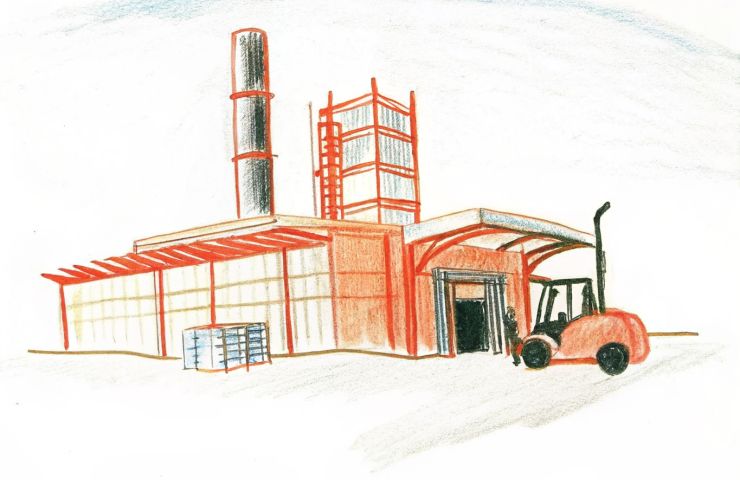
All across the U.S., something quietly big is happening. In busy warehouse zones, distribution hubs and along those crucial transport routes, green hydrogen infrastructure is popping up faster than you’d expect. Take Plug Power: founded back in 1997 to bring PEM fuel cell tech to life (public since 1999), it’s been running forklift fleets for Amazon and Walmart for years. And since bringing United Hydrogen on board in 2020, they’ve rolled out modular hydrogen electrolyzers on five continents. Now, under CEO Jose Luis Crespo, Plug Power’s gearing up to supercharge its U.S. network of electrolyzers and spread its GenFuel hydrogen fueling stations even wider. In 2025 alone, U.S. plants churned out over 4,600 metric tons of green hydrogen—a clear sign the clean energy transition is really picking up steam.
From Fuel Cells to Electrolyzers: A Vertical Integration Story
Remember when Plug Power was just tinkering with stationary power R&D? Fast forward to the early 2000s, and they’d shifted gears into material handling, rolling out the GenDrive fuel cell for forklifts. Those workhorses have racked up millions of operating hours, proving their mettle and making a strong case for zero-emission logistics. Then came the 2020 pick-up of United Hydrogen, which slipped proven hydrogen electrolyzer designs into Plug’s toolkit and let them assemble stacks, power electronics and balance-of-plant modules under one roof. Now, five U.S. plants hum 24/7, pumping out hydrogen for everything from heavy-duty transport to data center backup power.
Expanding Production Capacity
Last year alone, hydrogen electrolyzers at Plug Power’s U.S. sites churned out over 4,600 metric tons of H₂—enough juice to refill hundreds of thousands of forklifts at big distribution hubs. These setups use modular PEM units that can scale from a few hundred kilowatts up to multi-megawatt behemoths, syncing seamlessly with wind and solar power. With slicker assembly lines and smart sourcing of membranes and catalysts, lead times have shrunk and cost predictability has shot up. Looking ahead, Plug Power’s eyeing another 30% cost drop on its electrolyzer builds by fine-tuning workflows and growing its production footprint.
Building a Coast-to-Coast Fueling Network
Of course, producing hydrogen is only half the battle. Plug Power’s GenFuel network now spans coast to coast with dozens of on-site hydrogen fueling stations tucked into distribution centers in key markets. By making H₂ right where it’s used, these stations dodge the up-to-30% losses you’d face when piping or trucking it long distances. Clients like Amazon and Walmart enjoy uninterrupted forklift runs—no battery swaps, no downtime. And in a strategic move this year, Plug Power sold a planned green hydrogen plant in Western New York to a data center operator for $132.5 million, unlocking clean backup power for mission-critical sites. It’s one more step toward a slick, end-to-end “water-to-wheel” ecosystem.
Policy Tailwinds Driving Down Costs
And guess what? The policy stars have aligned just right. Thanks to production tax credits in the Inflation Reduction Act and fresh funding from the Bipartisan Infrastructure Law for hydrogen hubs, billions have flooded into the space. Some experts reckon those incentives could slash green hydrogen costs in half, steering us toward that magic $2-per-kilo mark. Hitting that target is a total game-changer—it’ll turbocharge uptake in heavy transport, steelmaking and even hydrogen-fired data center backups. With clearer revenue streams, cheaper financing and a boost for the clean energy transition, more developers and users are finally willing to bet on hydrogen tech.
A Competitive Hydrogen Landscape
Of course, Plug Power isn’t the only game in town. Bloom Energy is busy demoing the world’s largest solid oxide electrolyzer at NASA’s Ames Research Center—a 4 MW beast that cranks out over 2.4 metric tons of hydrogen a day with 20–25% higher efficiency than typical PEM or alkaline systems. Meanwhile, Cummins Inc. is pushing hydrogen internal combustion engines (H2-ICE) for trucks—a 15-liter platform pumping out up to 530 hp and a tried-and-tested 6.7-liter that slashes tailpipe CO₂ by over 99% compared to diesel. These parallel tracks—from fuel cells to H2-ICE—underscore hydrogen’s versatility and the many niches it can carve out in the clean energy transition.
Broader Impacts for Economy and Environment
Green hydrogen isn’t just another fuel—it’s a full-on growth engine. Analysts predict the global hydrogen market could hit $2 trillion a year by mid-century, with green hydrogen scooping up a bigger slice of that pie. Here in the U.S., federal hydrogen hub programs have already unlocked over $10 billion for regional projects, spawning new manufacturing jobs and operations roles. And when you swap out gray hydrogen for green, you avoid nearly 10 kg of CO₂ for every kilogram you produce. So those 4,600 tons Plug Power whipped up last year equate to around 46,000 tons of avoided CO₂—like taking 10,000 cars off the road for a year. Plus, by powering forklifts (and, someday, maybe long-haul trucks) emission-free, hydrogen jumps into arenas where batteries still hit their limits.
Innovation on the Horizon
But the story doesn’t end there. Researchers are experimenting with cutting-edge membranes that cut precious metal loading by up to 50%, potentially driving costs way down. Modular balance-of-plant skids packed with advanced sensors and AI-powered controls promise higher uptime and predictive maintenance. And don’t miss early trials of blending hydrogen into natural gas pipelines or hauling it as ammonia—opening brand-new transport routes. When these innovations hit prime time, Plug Power and its peers will be ready to slot them in, keeping green hydrogen infrastructure at the cutting edge.
Glimpse into the Future
Looking ahead, the wave of green hydrogen infrastructure shows no signs of slowing down. With Plug Power steering the ship under CEO Jose Luis Crespo, solid U.S. policy support and a backlog of eager customers, the company is primed to ride the hydrogen boom. Planned gigafactories and fresh production lines aim to turbocharge electrolyzer manufacturing capacity over the next two years. On top of that, partnerships in Europe, the UK and Canada are paving the way for module and green hydrogen exports. If execution matches ambition, hydrogen might just become the secret sauce for decarbonizing the toughest industries, reshaping global energy markets and nailing that sustainable future we’ve all been chasing.